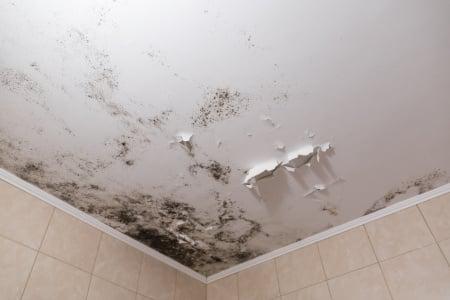
Untreated mold in your home doesn't just sit there looking ugly. It actively spreads, damages your property, and creates health risks that worsen over time. Within weeks, a small mold problem can expand from a single bathroom corner to multiple rooms, destroying building materials and forcing expensive repairs that could have been avoided with early intervention.
Understanding what happens when mold goes untreated helps homeowners recognize why addressing it quickly matters more than many people realize. This guide explains the progressive damage mold causes and why waiting almost always makes the problem worse and more expensive to fix.
How Quickly Does Untreated Mold Spread?
Mold spreads surprisingly fast once it establishes itself in your home. Under the right conditions (moisture, warmth, and organic material to feed on), mold colonies can double in size every 24 to 48 hours.
What starts as a small patch of mold behind a toilet or under a sink can spread across entire walls within two to three weeks. The visible mold you see represents just a fraction of the total growth. Mold sends out microscopic spores that travel through air, landing on new surfaces throughout your home where they establish new colonies if they find moisture.
Greensboro's humid subtropical climate creates ideal conditions for rapid mold growth, especially during summer months when indoor humidity levels rise. Homes with poor ventilation, water leaks, or moisture problems provide perfect environments for mold to spread from room to room.
The longer mold remains untreated, the more surfaces it colonizes. A bathroom mold problem that seems contained to tile grout can spread behind walls into insulation and wooden framing within weeks. Basement mold travels upward through floor joists and wall cavities, eventually reaching living spaces.
What Structural Damage Does Mold Cause?
Mold doesn't just grow on surfaces. It actively breaks down the materials it colonizes, causing progressive structural damage that worsens the longer it goes untreated.
Mold feeds on organic materials like wood, drywall, insulation, and even paint. As it consumes these materials, it weakens their structural integrity. Wooden floor joists, wall studs, and roof decking all become compromised when mold grows on them for extended periods.
Common structural damage from untreated mold includes:
● Rotted wooden framing members that lose load-bearing capacity
● Weakened floor joists that create sagging or bouncy floors
● Deteriorated drywall that crumbles or falls apart when touched
● Compromised wall studs that no longer provide adequate structural support
● Damaged roof decking that develops soft spots or holes
● Destroyed insulation that loses its insulating properties
In severe cases, untreated mold can compromise a home's structural integrity to the point where major repairs become necessary. Floor systems may need complete replacement if joists have rotted through. Wall framing might require rebuilding if studs have deteriorated. These repairs cost exponentially more than addressing mold when it first appears.
Greensboro homes with older wooden construction are particularly vulnerable. The combination of humid climate, aging materials, and hidden moisture problems can create situations where mold silently destroys structural components for months or years before anyone notices visible damage.
How Does Mold Affect Indoor Air Quality?
Untreated mold dramatically degrades your home's air quality by releasing spores and mycotoxins into the air you breathe daily.
Mold colonies produce millions of microscopic spores that become airborne and circulate throughout your home's HVAC system. These spores can trigger allergic reactions, respiratory problems, and other health issues in occupants. The more mold grows, the higher the concentration of spores in your indoor air.
Beyond spores, many mold species produce mycotoxins as part of their natural life cycle. These toxic compounds become airborne and contaminate indoor air. Long-term exposure to mycotoxin-laden air can cause serious health effects, particularly in children, elderly people, and those with compromised immune systems.
Air quality problems from mold worsen gradually. You might not notice much difference initially, but over weeks and months, the accumulation of spores and toxins in your home's air creates an increasingly unhealthy environment. Many people living with untreated mold develop chronic symptoms without realizing mold is the cause.
HVAC systems in homes with mold problems spread contamination throughout the entire house. Mold growing in one room releases spores that get pulled into return air vents, travel through ductwork, and get distributed to every room connected to the system. This explains why people often experience symptoms in rooms that appear mold-free.
What Health Problems Does Untreated Mold Cause?
Extended exposure to household mold creates a range of health problems that progressively worsen the longer the exposure continues.
Common health issues from mold exposure include:
● Persistent coughing and throat irritation
● Chronic sinus congestion and headaches
● Eye irritation, redness, and watering
● Skin rashes and irritation
● Wheezing and difficulty breathing
● Worsening asthma symptoms
● Frequent respiratory infections
● Chronic fatigue and difficulty concentrating
People with existing respiratory conditions, allergies, or weakened immune systems face higher risks. Children and elderly family members are particularly vulnerable to mold's health effects. Some individuals develop severe mold allergies after prolonged exposure, making them sensitive to even small amounts of mold in the future.
The insidious nature of mold-related health problems is that symptoms develop gradually. Many people adapt to worsening symptoms over time without connecting them to their home environment. They might think they've developed new allergies or that they're just getting sick more often, when in reality their home's mold problem is making them ill.
Medical professionals sometimes struggle to diagnose mold-related illness because symptoms overlap with many other conditions. However, if multiple family members develop similar respiratory or allergy symptoms that improve when away from home, mold exposure is a likely culprit.
Does Mold Decrease Home Value?
Untreated mold significantly impacts your home's market value and ability to sell.
When mold problems become visible or detectable, they raise red flags for potential buyers and home inspectors. Most home inspectors specifically look for signs of mold and moisture problems. When they find mold, it becomes part of the inspection report that buyers review when considering purchase offers.
Buyers typically respond to mold discoveries in one of three ways. They might walk away from the purchase entirely, especially if the mold problem appears extensive. They might demand significant price reductions to account for remediation costs and potential hidden damage. Or they might require the seller to professionally remediate all mold before closing.
Real estate disclosure laws in North Carolina require sellers to inform buyers about known material defects, which includes significant mold problems. Failing to disclose known mold can lead to legal liability after the sale.
The financial impact of mold on home value depends on severity. Minor mold issues might reduce offers by a few thousand dollars. Extensive mold problems involving structural damage can decrease value by tens of thousands of dollars or make the home unsellable until professionally remediated.
Beyond the immediate sale, homes with a history of mold problems can face ongoing value impacts. Even after remediation, some buyers remain wary of homes with previous mold issues, fearing the problem might return.
Can Mold Spread to Personal Belongings?
Mold doesn't limit itself to your home's structure. It readily colonizes personal belongings, furniture, clothing, and stored items.
Porous materials like fabric, paper, cardboard, and wood absorb moisture easily and provide perfect surfaces for mold growth. Books, clothing, upholstered furniture, mattresses, and stored boxes all become mold breeding grounds when exposed to the humid, spore-filled air in homes with untreated mold problems.
Once mold establishes itself on personal belongings, cleaning becomes difficult or impossible. Leather items, important documents, family photos, and heirloom textiles can be permanently destroyed. Furniture with mold growing inside upholstery or cushions often can't be salvaged and must be discarded.
Stored items in basements, attics, or closets face particular risk. These areas often have poor ventilation and higher humidity levels, creating ideal conditions for mold to spread from structural surfaces to stored belongings. Boxes of holiday decorations, stored clothing, or archived paperwork can all become mold-infested without anyone realizing until they open the containers months or years later.
The financial loss from mold-damaged belongings adds to the overall cost of untreated mold. Replacing destroyed furniture, clothing, and personal items can easily cost thousands of dollars beyond the expense of remediating the mold itself.
What Are the Long-Term Costs of Ignoring Mold?
Delaying mold remediation almost always costs more than addressing problems immediately.
Small mold problems caught early often require limited remediation. A professional might need to treat a single bathroom, clean affected surfaces, fix the moisture source, and verify complete removal. These interventions are relatively straightforward and affordable.
Untreated mold that spreads for weeks or months creates far more extensive and expensive remediation projects. What could have been a simple bathroom fix becomes a whole-house remediation requiring:
● Removal and disposal of mold-contaminated materials (drywall, insulation, flooring)
● Treatment of structural framing and hidden surfaces
● HVAC system cleaning and duct sanitization
● Air filtration and decontamination
● Reconstruction of removed materials
● Extended professional labor and specialized equipment
The cost difference between early and delayed intervention can be dramatic. A problem that might have cost a few thousand dollars to fix initially can balloon to $15,000, $25,000, or more once extensive contamination requires major remediation and reconstruction.
Beyond direct remediation costs, untreated mold creates additional expenses. Temporary housing during extensive remediation, medical bills from mold-related health issues, replacement of destroyed belongings, and decreased home value all add to the total financial impact.
Homeowners insurance typically doesn't cover mold damage or remediation except in specific circumstances involving sudden covered water damage. Most mold problems result from gradual moisture issues or maintenance neglect that policies exclude from coverage. This means homeowners usually pay mold remediation costs out of pocket.
How Does Mold Affect Your HVAC System?
Mold in your home inevitably contaminates your heating and cooling system, creating problems that extend throughout the house.
When mold spores become airborne, they get pulled into return air vents and travel through your HVAC ductwork. These spores settle inside ducts, on cooling coils, in air handlers, and throughout the system. Once established in your HVAC system, mold grows on dust, debris, and moisture that accumulates inside ducts and equipment.
HVAC systems with mold contamination actively spread spores to every room they serve. Every time your system runs, it distributes contaminated air throughout your home. This explains why mold problems in one area often cause health symptoms in people throughout the entire house.
The dark, often damp environment inside HVAC systems provides ideal conditions for mold growth. Air conditioning systems create condensation during normal operation. If drain pans don't drain properly or if humidity levels run high, standing water inside the system supports prolific mold growth.
Professional HVAC cleaning and sanitization become necessary when mold contaminates your system. This process involves thorough cleaning of ductwork, replacement of contaminated filters and insulation, sanitization of interior surfaces, and verification that no mold remains. Heavily contaminated systems sometimes require partial or complete duct replacement.
Does Mold Indicate Bigger Problems?
Visible mold almost always signals underlying moisture problems that require attention beyond just removing the mold itself.
Mold needs three things to grow: moisture, organic material (food), and appropriate temperatures. Most homes provide organic materials (wood, paper, drywall) and suitable temperatures year-round. Moisture is the variable that determines whether mold grows.
When mold appears in your home, it indicates active moisture problems. These moisture sources might include:
● Plumbing leaks in walls, floors, or ceilings
● Roof leaks allowing water penetration
● Poor drainage around foundation
● Inadequate bathroom or kitchen ventilation
● Basement moisture and humidity issues
● HVAC condensation problems
● High indoor humidity levels
Simply removing visible mold without addressing the moisture source guarantees the mold will return. Professional mold remediation always includes identifying and correcting moisture problems that allowed mold to grow.
In Greensboro's humid climate, many homes struggle with moisture management. Seasonal humidity, afternoon thunderstorms, and older homes with limited ventilation create ongoing challenges. These moisture issues cause more than just mold. They also promote wood rot, insect infestations, rust and corrosion, and general deterioration of building materials.
Treating mold as an isolated problem rather than a symptom of moisture issues means you'll face recurring mold growth and continued property damage. The underlying moisture problem continues destroying your home even if you temporarily remove visible mold.
When Should You Call a Professional?
While minor surface mold in small areas can sometimes be cleaned by homeowners, several situations require professional intervention.
Contact a mold remediation professional when:
● Mold covers areas larger than about 10 square feet
● Mold grows on porous materials like drywall, insulation, or wood
● Mold appears in HVAC systems or ductwork
● You detect a musty odor but can't find the mold source
● Mold returns repeatedly after cleaning
● Anyone in the home experiences health symptoms possibly related to mold
● You discover mold in hidden areas like wall cavities or under flooring
● Water damage from flooding, leaks, or sewage has occurred
Professional mold remediation follows industry protocols that ensure complete removal and prevent cross-contamination to clean areas. Professionals use specialized equipment, containment procedures, air filtration, and verification testing that homeowners can't replicate.
Attempting DIY remediation of significant mold problems often makes situations worse. Disturbing mold during improper cleanup releases massive quantities of spores into your home's air. These spores spread contamination to previously clean areas, increasing the overall scope of the problem.
Professionals also identify and address the moisture sources that caused mold growth, preventing recurrence. A homeowner might clean visible mold without realizing a slow pipe leak in the wall continues feeding mold growth behind surfaces.
For Greensboro homeowners dealing with mold, working with qualified local professionals who understand the area's specific moisture and mold challenges provides the best outcomes.
Frequently Asked Questions About Untreated Mold
How long can mold go untreated before causing serious damage?
Serious damage can begin within weeks depending on conditions. Mold spreads rapidly in favorable environments, and structural materials start deteriorating as soon as mold begins feeding on them. Small problems become major issues quickly, typically within 1-3 months of active growth.
Can cleaning visible mold yourself solve the problem?
Cleaning visible mold addresses the symptom but rarely solves the underlying issue. Without fixing the moisture source, mold returns. Additionally, cleaning disturbs mold and releases spores throughout your home. Small surface mold on non-porous materials like tile can be cleaned safely, but mold on porous materials or in large areas requires professional remediation.
Does mold stop growing in winter?
Mold doesn't stop growing in winter, though growth may slow slightly. Heated homes maintain temperatures suitable for mold year-round. Winter actually increases indoor humidity in many homes due to less ventilation and temperature differentials, sometimes creating better conditions for mold growth than summer.
Will a dehumidifier eliminate existing mold?
Dehumidifiers help prevent new mold growth by reducing indoor humidity but don't eliminate existing mold. Active mold colonies must be physically removed and affected materials treated or replaced. Dehumidifiers are valuable tools for preventing mold after remediation but aren't remediation solutions themselves.
Can air purifiers remove mold spores?
HEPA air purifiers can remove airborne mold spores from air passing through them, improving air quality. However, they don't address mold growing on surfaces or solve moisture problems. Air purifiers work as supplementary tools alongside proper remediation and moisture control.
Is black mold more dangerous than other types?
While the mold species commonly called "black mold" (Stachybotrys chartarum) can produce mycotoxins, all mold in your home is problematic. Different species create different risks, but you shouldn't live with any type of active mold growth. Professional identification and remediation are necessary regardless of mold color or species.
Can mold grow back after professional remediation?
Mold can return if moisture problems aren't corrected. Professional remediation removes existing mold, but preventing recurrence requires fixing leaks, improving ventilation, managing humidity, and maintaining proper drainage. Quality remediation addresses both mold removal and moisture correction to prevent future growth.