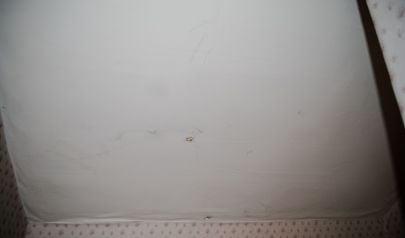
A homeowner on Cherokee Street saw her hardwood floors starting to buckle near the hallway and thought it was just normal settling. When our crew checked the crawl space, we found standing water extending almost 15 feet beneath her living room. A pipe fitting had been leaking for weeks, and the subfloor above was already softening.
This kind of problem happens more often than people realize in Kennesaw’s older neighborhoods. Many homes built in the 1970s and 1980s have crawl space foundations that quietly support the house. When something goes wrong beneath the surface, the damage usually isn’t obvious until it’s already serious.
Why Crawl Spaces Are Kennesaw's Biggest Water Risk
Kennesaw is built on red clay soil, which expands when it gets wet. After heavy summer rains, this clay pushes water toward and under home foundations instead of letting it drain away. From what we’ve seen, homes with old or missing vapor barriers are especially at risk. We often find barriers that are torn, sunken, or so worn out that they don’t protect anything.
Humidity makes the problem worse all year. Our local technicians often find crawl spaces where moisture levels remain too high for wood, even without standing water. Condensation forms on floor joists, insulation sags from soaking up moisture, and beams can start to rot long before anyone notices upstairs.
Warning Signs Worth Taking Seriously
-
Floors that feel soft or spongy, especially near exterior walls
-
A persistent musty odor that concentrates in certain rooms
-
Doors or windows that suddenly stick or refuse to latch
-
Staining along the lower sections of interior walls
-
An uptick in insect activity, particularly wood-boring beetles
None of these signs alone proves there’s a problem, but if you notice two or three together, it almost always means there’s moisture under the house. The sooner you check, the better your chances of avoiding bigger issues.
How the Damage Moves Over Time
From our experience on many jobs in Kennesaw, wood in a wet crawl space can begin to weaken within just a few days of exposure to water. Once insulation gets wet, it stops working and holds moisture against the wood it should protect. A slow plumbing leak can spread into floor joists and framing in just a few weeks.
In older homes with original wood sill plates, we’ve seen slow, hidden leaks cause framing damage that needed major repairs before any restoration could start. Finding the problem while it’s still just water damage is almost always quicker and less disruptive.
What Our Crew Does When We Arrive
Our first step is to stop the water source, whether it’s a burst pipe, a leaking drain, or groundwater coming in through the foundation. We remove any standing water and use industrial drying equipment that fits tight crawl spaces.
Damaged insulation is removed and properly disposed of. Every wood surface gets checked for moisture content and structural integrity. If mold has started to develop, which in Kennesaw's humidity is common by the time we arrive, that's addressed during the same job. We don't leave a crawl space with the moisture fixed and the air quality ignored.
What to Do Right Now
If you notice soft floors, musty smells, or doors that stick, don’t wait for another storm to see if it gets worse. Look inside any crawl space vents you can reach for signs of moisture on the insulation or joists. If you smell something earthy near the floor, it’s worth getting checked out. If you think the problem is plumbing, turn off the water supply and call us. Our technicians will check the space quickly and explain exactly what’s going on.
Give AdvantaClean of Kennesaw a Call
We understand how these houses are built and how Georgia clay affects homes in Kennesaw’s older neighborhoods. If something feels wrong under your feet, don’t wait. We’re here for you 24 hours a day, every day.
(470) 887-9171
https://maps.app.goo.gl/QMashHc9CVBr77UF8