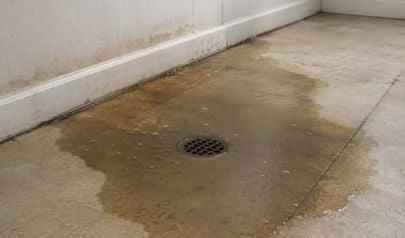
No one expects to wake up after a storm and find sewage on the laundry room floor. Most people want to grab a mop right away, but that can actually make things worse for your home and your family.
Sewage backups after heavy rain happen more often in Kennesaw, Acworth, and Cartersville than many homeowners think. The systems that manage stormwater and wastewater are often overwhelmed during strong summer storms, and the problem usually shows up inside someone’s home.
Why Heavy Rain Causes Sewage to Reverse Into Homes
City sewer systems are built to handle normal amounts of water, not the heavy flow from big storms. When a lot of rain falls quickly, stormwater can get into old pipes through cracks and gaps. This extra water overwhelms the system, causing pressure to push sewage back toward the lowest drains in the network. For most homes, this means a floor drain, toilet, or laundry drain in the basement or on the ground floor.
Homes in Acworth and Kennesaw that sit in low areas or near creeks are at higher risk. Houses with older clay sewer pipes, especially those built before the 1980s, often have more places where water can get in. Sewage backup usually starts slowly, like water rising in a floor drain or a toilet that bubbles and then spills over.
In Cartersville, homes with private septic systems face a different problem but with similar results. When heavy rain soaks the ground, the drain field can’t absorb any more water, so sewage backs up toward the tank and eventually into the house. Rural properties with high water tables during rainy seasons are especially at risk.
Why This Is a Different Problem Than Storm Water
Stormwater that enters your home is already contaminated and requires special handling. Sewage backup is even more serious. It contains high levels of germs, bacteria, and viruses that can pose real health risks to anyone who touches the area without proper protection.
Any materials that have soaked up sewage-contaminated water, like carpet, padding, drywall, or wood subfloor, cannot be cleaned and reused. The contamination goes deep into these materials, so surface cleaning is not enough. The only safe option is to remove them. Trying to clean up without the right protective gear and containment can expose you to health risks and spread to other parts of your home.
What Professional Sewage Cleanup Involves
Cleanup begins with setting up barriers and wearing proper protective gear. This means using full-face respirators, Tyvek suits, and the right gloves—not just rubber boots and a mask. The area is sealed off to keep contamination from spreading to clean parts of the house.
The first step is to remove all contaminated materials. This includes flooring, drywall, and insulation, which are thrown away according to waste handling rules. The remaining structure, like framing, concrete, or block, is then treated with EPA-approved antimicrobial products made for sewage-contaminated situations.
After treatment, it’s important to make sure everything is completely dry before rebuilding. Sewage backups leave a lot of moisture in subfloors and wall spaces. If you start repairs too soon, hidden moisture can cause more problems later. Industrial drying equipment is used and checked daily until the area is cleared.
Insurance Coverage Questions After a Sewage Backup
Most standard homeowners insurance policies in Georgia do not cover sewage backup unless you have added a special water backup and sewer endorsement. It’s a good idea to check your policy before anything happens, since this coverage is usually affordable compared to cleanup costs, which can reach several thousand dollars even for small incidents.
If you don’t have backup coverage, make sure to document everything carefully before starting any cleanup. Take photos, videos, and measure the affected area. The cause of the backup is important for insurance, and your provider will want to know if the problem started in the city system or your home’s pipes.
Your insurance adjuster may be more helpful if you can show that the backup was caused by a city system overload instead of a maintenance issue on your property. Getting documentation from the city or county about the storm can help support your claim.
How to Prevent the Next One
Installing a backwater valve on your main sewer line is the best way to prevent backups. It lets water flow out but closes if pressure tries to push sewage back in. For homes with septic systems in Cartersville and rural Cherokee County, regular tank pumping and keeping the drain field in good shape can greatly lower the risk of backups during heavy rain.
Get It Handled Before the Smell Gets Into the Structure
There’s only a short window to clean up after a sewage backup. The longer contaminated materials stay in contact with your home’s structure, the deeper the contamination goes, and the more you’ll need to remove. Taking action within a few hours instead of waiting until the next day can make a big difference.
AdvantaClean of Kennesaw handles sewage backup cleanup and water damage restoration throughout Kennesaw, Acworth, and Cartersville. Our team is available around the clock. Call us at any hour, and we'll get someone moving on your situation the same day. You can also find us at our AdvantaClean of Kennesaw Google Business Profile.
Call (470) 877-9171 now. We’re here 24/7 because sewage backups can happen at any time.