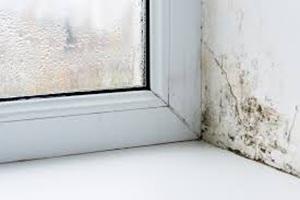
Indicators of Mold in Your Metro New Orleans Home: How to Find It and Treat It
Is that damp smell in your house a hazard or harmless? Is it possible to find the mold before it goes too far?
If you are a homeowner or property owner in the Metro New Orleans, these are the things you need to be asking. Mold is a thief that does its work silently, making your home its perfect host in the high humidity and frequent storms that occur regularly in the area. Without you knowing, mold damages your property and creates a health impact on you and your family.
The first step to avoid long-term damage to your home is to know what the early signs are and to act quickly in the event of mold infestation. In this blog, we are going to discuss the most common signs of mold, how to check for it correctly, and what you should do to remove it safely and permanently.
Why Concern Regarding Mold is Much More Than Common in New Orleans
The environment in New Orleans creates the ideal breeding ground for the growth of a colony of mold spores. High humidity, rainy weather, and frequent flooding can result in moisture becoming trapped in walls, crawl spaces, attics, and basements. Mold spores are present almost everywhere. All they need to function is moisture and organic food sources.
In fact, mold removal in New Orleans is not just a service; it’s a requirement for homeowners/property owners. If mold is not taken care of properly, it can lead to damage to the structure, as well as health problems, including asthma, allergies, and long-term lung conditions.
Musty Odors: The First Warning Sign
One of the more obvious early signs of mold is a strong, earthy, or musty smell. You may be greeted by a musty or earthy smell shortly after entering a specific room, closet, or basement. Even if you don't see any mold, if you detect a musty smell, it suggests that mold may have expanded its growth behind walls or floors.
The musty smell you are noticing is caused by microbial volatile organic compounds (MVOCs) that are emitted in the process of mold growth. The smell may remain if you can’t simply clean or ventilate your space, which further justifies calling for an inspection.
Visible Spots or Staining
Mold does not necessarily appear as a green fuzzy spot, but can appear in a variety of forms:
-
Black, brown, green, or white spots on your ceilings or walls
-
Yellow staining around your baseboards or vents
-
Peeling or bubbles in your paint
-
Water stains or markings that appear darker
When you notice staining based on a visible moisture source, like a kitchen, bathroom, or laundry room, mold is likely growing there.
Allergy or Other Respiratory Symptoms
If you, or someone in your family, has allergy-like symptoms (that are persistent) and they improve when you are away from your house, it is probably mold exposure. Typical allergy symptoms include:
-
Sneezing
-
Coughing
-
Irritated eyes/skin
-
Nasal congestion
-
Wheezing or shortness of breath
Allergy symptoms can be increased in individuals with asthma, persons with a compromised immune response, or a history of hypersensitivity to molds. The presence of such symptoms, especially if they are resolved within minutes of leaving the house, is indicative of likely mold hiding out of sight.
Water Leaks or Flooding Climates
Any water damage in the past, whether from a pipe bursting, a roof leak, or flooding from a hurricane, poses a serious mold risk. The residual moisture can penetrate porous construction materials deep within the structure, which will not be detected for months.
If your home has had a leak or water intrusion history and you have not contacted a professional mold damage restoration New Orleans, you would have a high likelihood of hidden mold growth inside walls, flooring, or ceiling cavities.
Peeling Wallpaper or Paint
If moisture is getting behind painted surfaces, the paint can bubble or peel, and mold may be there, or at least close to there. Wallpaper, especially if the adhesive is organic, is a great place for mold to grow. If you see any warping or discoloration on the wall, it is a good idea to investigate further.
Warping or Sagging Walls or Ceilings
The effect on walls or ceilings over time is that mold weakens drywall, wood, or insulation. If your walls feel spongy or your ceilings are sagging, there could be moisture or mold hiding, as the framing weakened long ago. These are generally indicators of long-term exposure, and your best assurance is to research further with a professional.
How Do You Properly Detect Mold?
Your eyes and your nose can help detect mold, but they may not be enough. Mold can be hiding in:
-
Wall cavities
-
Under carpets or hardwood floors
-
Inside HVAC systems
-
Behind furniture or appliances
Professionals such as mold removal specialists in New Orleans use a thermal imaging camera, moisture meters, and air sampling tools to find and assess mold growth.
Why Most DIY Mold Removal Fails
Using household products like bleach may seem like a good idea and may actually remove mold, in that case, it only removes surface growth. Additionally, disturbing the mold with no containment methods can actually increase the level of spores released into the air and could force mold into every area of your space. Professional mold removal in New Orleans can provide:
-
Containment systems to prevent cross-contamination
-
HEPA-filtered air scrubbers
-
Antimicrobial treatments
-
Safe removal of the contaminated materials
Professionals who provide mold remediation New Orleans services will not only remove the existing mold, but they will also remediate the moisture issue that led you there in the first place.
Prevention Tips for New Orleans Homeowners
As always, prevention is better than remediation. Here are some things you can do to reduce your risk:
-
Use dehumidifiers to maintain relative humidity levels below 60%
-
Ventilate kitchens and bathrooms properly
-
Get leaks repaired right away
-
Place moisture barriers in crawl spaces
-
Have some sort of routine inspection if your home is older or is within a flood zone
Any time you can do these things, it is likely you will deter mold from recurring and protect the integrity of your home regarding air quality and structural soundness.
Conclusion
Mold is not just a cosmetic problem. It is a health risk and a potential long-term risk to your home’s structural integrity. Living in a city like New Orleans or the surrounding areas, humidity, rain, and heat will put your home at risk for mold, and the fact is, mold can go from not being visible to being invasive in just a few days.
If you can familiarize yourself with mold detection, musty odor, discoloration, moisture problems, or unexplained health symptoms, as examples, you can intervene before mold can spread in your home. As soon as mold takes root, particularly in your home or office, a DIY mold remediation process will often make your problem worse. Only then is it time to call in the professional remediation services.
If you are seeing mold or suspect it is hidden in your environment, don’t take any chances; reach out to a New Orleans mold remediation expert today and have them detect, remove, and prevent mold the right way!
About AdvantaClean of New Orleans
AdvantaClean of New Orleans is here in the community to provide our expertise in water-related damage restoration and indoor air quality issues. For mold remediation near me, we can help if you are dealing with a mold issue, mold damage, water damage, or air quality concerns.
As one of the most recognized names in mold removal services in New Orleans, we are equipped with state-of-the-art equipment and techniques industry-approved for many types of restoration. Whether you need an inspection, a full mold remediation job, or preventative options to keep mold from coming back, we are here to help.
Contact us for peace of mind and a breath of fresh air!