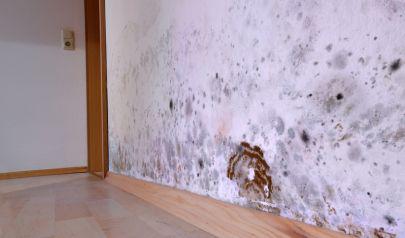
Simple and Specialized Mold Remediation Approaches
Among the problems that develop in properties, mold presents a common and severe threat, as it grows spontaneously when conditions are favorable. Its spores are ever-present in the air but remain inactive until something triggers growth. Among the three mold triggers, moisture is usually lacking, as the others, such as organic food sources, oxygen, and favorable temperatures, are readily available in any house. Therefore, leaks from pipes and appliances, as well as moisture buildup from condensation, can lead to mold contamination.
Mold growth is a multi-stage process that exhibits distinct signs as it develops. Knowing what to do when you notice changes on your walls, ceilings, closets, or valuables, such as clothes and furniture, determines how the situation plays out. Inaction allows the problem to develop fully, as the root-like hyphae penetrate organic materials in search of food. That's how a cosmetic problem of patches and spots on surfaces ends up weakening the structure when frames and joists decay.
Resolving any mold situation begins with controlling moisture to prevent further development. Therefore, extracting standing water, drying wet areas, and dehumidifying the indoor air are the primary steps in preventing mold recurrence.
Typical Mold Situations
-
Discoloration and spots
-
Fuzzy mold colonies on surfaces
-
Mold contamination in air ducts
What to Do About Mold Spots and Discoloration
When the only visible sign of mold is colored patches or discoloration on walls and ceilings, there is a strong likelihood that the mold is in its early stages. Dark or greenish spots also appear near corners. Wiping away these spots usually removes them, but the problem soon returns—a more effective solution is to clean the area with antimicrobial products to remove the mess and prevent recurrence.
How to Handle Fuzzy Mold Colonies
If you can see obvious fuzzy colonies on materials, you have had the contamination for a large number of days, so it has developed mycelium. Physical removal of these colonies is essential to restore the affected areas. Various methods may be effective depending on the area's size and the materials affected. Soda and dry ice blasting are effective for large or unfinished surfaces, while agitation with wire brushes is suitable for localized contamination. Such mold colonies break into fine debris when disturbed, thus requiring a robust way to pick them up. HEPA vacuuming moldy surfaces is a reliable solution to remove all mold debris from your home, as it captures particles as small as 0.3 microns. AdvantaClean professionals can also use air scrubbers to remove the particulate matter floating in the air.
Addressing Mold in Air Ducts
Mold can form within your HVAC system, particularly in the air ducts, which are difficult to inspect. As the system operates, the air passing through picks up moldy debris, compromising indoor air quality. Mold removal requires thorough duct cleaning to remove all the colonies. A professional can insert rotary brushes or flexible brushes to agitate the interiors of the duct system as powerful vacuums extract the debris. Duct sealing is a viable alternative if the affected sections of the air ducts are hard to reach, because it seals in the mold, preventing it from spreading. The process requires a sealing agent, such as mastic or aerosolized sealants, and a delivery mechanism. Ultra Low Volume (ULV) misters can be used as a delivery system. Still, Aeroseal systems are one of the best options for delivering liquid sealing agents as a fog under pressure.
Mold removal is a highly adaptive process that needs to be tailored to your property's unique needs. You can rely on AdvantaClean of Norcross and Buford for help. Call us today at (470) 819-2070.