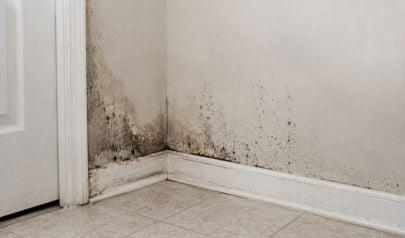
Mold is sneaky. It grows out of sight—behind baseboards, inside HVAC spaces, under bathroom tiles, and in crawl spaces that people rarely check unless something smells off. Most homeowners in Sandy Springs or Buckhead only discover mold after it’s been there for some time. We’re not trying to scare you. That’s just how mold behaves, and knowing this is the first step to handling it the right way.
We’ve handled mold remediation in North Atlanta for years. What you’ll read here comes from our real experience, not just information copied from a health department website.
Why Georgia Builds Mold Faster Than Most States
Mold needs three things to grow: moisture, something to feed on, and mild temperatures. Georgia has all of these almost all year. Mold can feed on materials like drywall paper, wood framing, ceiling tiles, carpet backing, and insulation. In metro Atlanta, it rarely gets cold enough to stop mold, even in winter. As for moisture, the area’s humid climate, heavy summer storms, and long air conditioning seasons mean condensation and water problems are always a risk.
Based on our work in Sandy Springs, Roswell, and Alpharetta, the most common sources of moisture that help mold grow are problems with HVAC drain lines, slow plumbing leaks inside walls, bathroom fans that vent into attics instead of outside, and poor crawl space vapor barriers. These aren’t big floods. They’re slow and quiet, causing damage over months before anyone notices.
The Difference Between Mold Testing and Mold Inspection
People often mix up these two services, and that confusion can cost homeowners money. A mold inspection means someone physically checks your home. The inspector looks for visible mold, uses moisture meters to check problem spots, measures humidity in tight spaces, and finds likely sources of moisture. An air quality test, on the other hand, collects spore samples and sends them to a lab to find out what types of mold are present and how much.
To be honest, air tests can be useful, but they aren’t always needed right away. We’ve seen homeowners in Buckhead spend $600 on air tests before anyone even checked the crawl space, where mold was clearly visible. A good inspection would have found the problem in twenty minutes. We suggest starting with an inspection and only doing air testing if you can’t see mold but have symptoms, or after remediation to make sure the job is finished.
Post-Remediation Clearance and Why You Should Not Skip It
We’ve noticed that some homeowners skip clearance testing after remediation because they trust the contractor to say the job is done. But that’s a conflict of interest. The only way to be sure your home is safe is to have an independent clearance test, which compares indoor air samples to outdoor levels. We recommend this for every job, no matter how big or small, and we’ll give you the same advice whether you hire us or not.
What Proper Mold Remediation Actually Involves
Containment comes first. Mold spores become airborne during removal, and without physical barriers and negative air pressure, you spread the problem to clean areas of the home. We use poly sheeting and zipper doors to isolate work zones, and we run HEPA-filtered air scrubbers continuously during demo and removal work.
Materials with growth embedded in them, including drywall, insulation, and wood with deep surface penetration, come out. Antimicrobial treatments work on hard, non-porous surfaces. They do not penetrate into porous materials deeply enough to kill root structures. We've seen jobs where contractors fogged a moldy crawl space with antimicrobial spray and called it remediated. The smell came back within months because the biology was still there. If material is colonized, it needs to be physically removed and replaced.
After removing affected materials, we use a HEPA vacuum to clean the contained area, then treat the remaining surfaces with antimicrobial products. Once that’s done, we take down the barriers, do a final HEPA vacuuming in nearby areas, and finish with clearance testing.
Condos and Townhomes Present Unique Remediation Challenges
Sandy Springs has many condos and townhomes, and their shared construction brings challenges that single-family homes don’t face. Mold in a shared wall can affect two units at once. Some crawl spaces even run under several units without any separation. In these cases, remediation has to cover all affected areas, no matter the property lines, and often involves the HOA, different insurance companies, and sometimes mediation.
We've worked through those situations enough times to know the documentation and communication requirements up front. Getting everyone on the same page before work starts prevents the kind of disputes that delay remediation and allow mold to keep spreading while people argue about responsibility.
Frequently Asked Questions
How do I know if I have mold or just mildew?
Mildew is a surface fungus that looks flat and powdery, usually gray or white. It grows on damp surfaces and can be wiped away with a regular cleaner. Mold, on the other hand, is usually fuzzy or uneven, often black, green, or brown, and has roots that go into the material. If it wipes off easily and doesn’t return, it’s probably mildew. If it’s fuzzy, comes back quickly, or you notice a musty smell even when you can’t see it, you should get an inspection.
Can I just bleach it and be done?
Bleach works on hard, non-porous surfaces like tile and glass. But on drywall or wood, the water in bleach soaks in, but the active ingredient doesn’t go deep enough to kill the mold roots. The surface may look clean for a while, but the mold comes back. That’s why we don’t recommend using bleach on porous materials.
Does homeowners' insurance cover mold remediation?
Generally, insurance covers mold remediation when it results from a sudden, covered water event such as a burst pipe or appliance leak. Mold from neglect or maintenance failures is typically excluded. Coverage varies significantly by policy. We work with insurance claims regularly and can help you understand how your specific situation might be documented for a claim.
How long does mold remediation take?
Small jobs, like fixing a bathroom wall or part of a crawl space, usually take one or two days. Bigger jobs that cover several rooms, attics, or large crawl spaces can take three to five days or more. Clearance testing after the work adds another one or two days for lab results. We’ll always give you a realistic timeline before starting so you can plan ahead.
Is it safe to stay in the house during remediation?
For minor, well-contained jobs, yes. With the affected area properly sealed and negative pressure maintained, occupants can often remain in other parts of the home. For larger jobs with significant growth, or when an HVAC system has been compromised and could circulate spores, we typically recommend temporary relocation during active work. We'll give you an honest assessment before you commit to anything.
If you have a mold problem or want an inspection before buying a home in Buckhead, Sandy Springs, or Alpharetta, contact AdvantaClean of Sandy Springs. We’ll check things out, explain what we find, and give you honest advice about what to do next. You can also look us up on Google to see what other North Atlanta homeowners have said about working with us.
AdvantaClean of Sandy Springs | Phone: (404) 474-8443