When a pipe bursts or a water heater leaks, every minute counts. While you might expect immediate help from Sandy Springs water mitigation services, delays can occur due to widespread storms, power outages, or off-hours incidents. When that happens, knowing how to manage the situation yourself safely can prevent bigger problems and save you money in the long run.
The Critical First Few Hours: What You Can Do
Water damage isn't always immediately apparent. Water quickly seeps beneath surfaces, soaking into baseboards, subflooring, and drywall from the bottom up. Your immediate actions can significantly reduce the damage:
-
Stop the Source: If possible, shut off the water supply immediately. This is the most crucial step you can take.
-
Remove Standing Water: Use towels, mops, or a wet/dry vacuum to remove any visible standing water. Focus on controlling what you can see; don't push water into wall gaps or floor registers, as this can spread the damage.
-
Protect Your Belongings:
-
Lift or Move Furniture: If you can do so safely, move furniture and rugs out of the affected area.
-
Create Barriers: Place aluminum foil or wood blocks under furniture legs to prevent moisture from wicking up and damaging them.
-
Avoid Rolling Wet Rugs: Don't roll up wet rugs. This can trap water and accelerate mold growth.
Why Household Fans Aren't Always the Solution
Running a few fans might help, but without proper moisture control, it can actually exacerbate the issue. Simply blowing air across wet materials without addressing the humidity can drive moisture deeper into wood, drywall, and other porous surfaces, creating hidden problems.
Professional drying relies on a precise balance of air movement, humidity control, and temperature management (HAT). Experts use specialized equipment, such as LGR (low-grain refrigerant) dehumidifiers and strategically placed axial air movers, to effectively remove moisture from the structure itself, not just its surface.
Keeping Mold at Bay Until Professionals Arrive
After 24 hours, conditions can become ripe for mold growth. If professional drying hasn't started by then, materials should ideally be inspected with non-invasive moisture meters or infrared cameras—tools that IICRC-certified mitigation teams typically carry.
While you're waiting:
-
Boost Airflow: Keep doors open to improve air circulation.
-
Avoid Excessive Heat: Don't crank up your heat. Warm temperatures combined with trapped humidity can accelerate mold growth.
-
Don't Mask Odors: If you notice a musty smell, resist the urge to cover it with cleaners or air fresheners. Masking odors can make it more difficult for technicians to identify the extent of the damage later accurately.
Document Everything: Your Best Tool for Recovery
One of the most valuable things you can do during this waiting period is to document everything. This record will be incredibly helpful for both your insurance adjuster and the mitigation team:
-
Take Photos: Capture both wide-angle and close-up photos of all affected materials and areas.
-
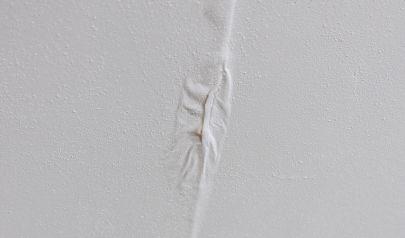
Note Key Details: Record the time of the incident and any visible changes, such as buckling, stains, or peeling paint. These details help professionals understand how much moisture migrated and how far it spread.
Even if the cleanup seems straightforward, hidden damage can persist within walls or beneath flooring. A clear photo record provides crucial evidence to support the scope of the professional mitigation work needed.
For certified water mitigation in Sandy Springs, call AdvantaClean of Sandy Springs at (404) 474-8443. Their team uses industry-standard drying techniques and moisture detection tools to safely and thoroughly restore your home.