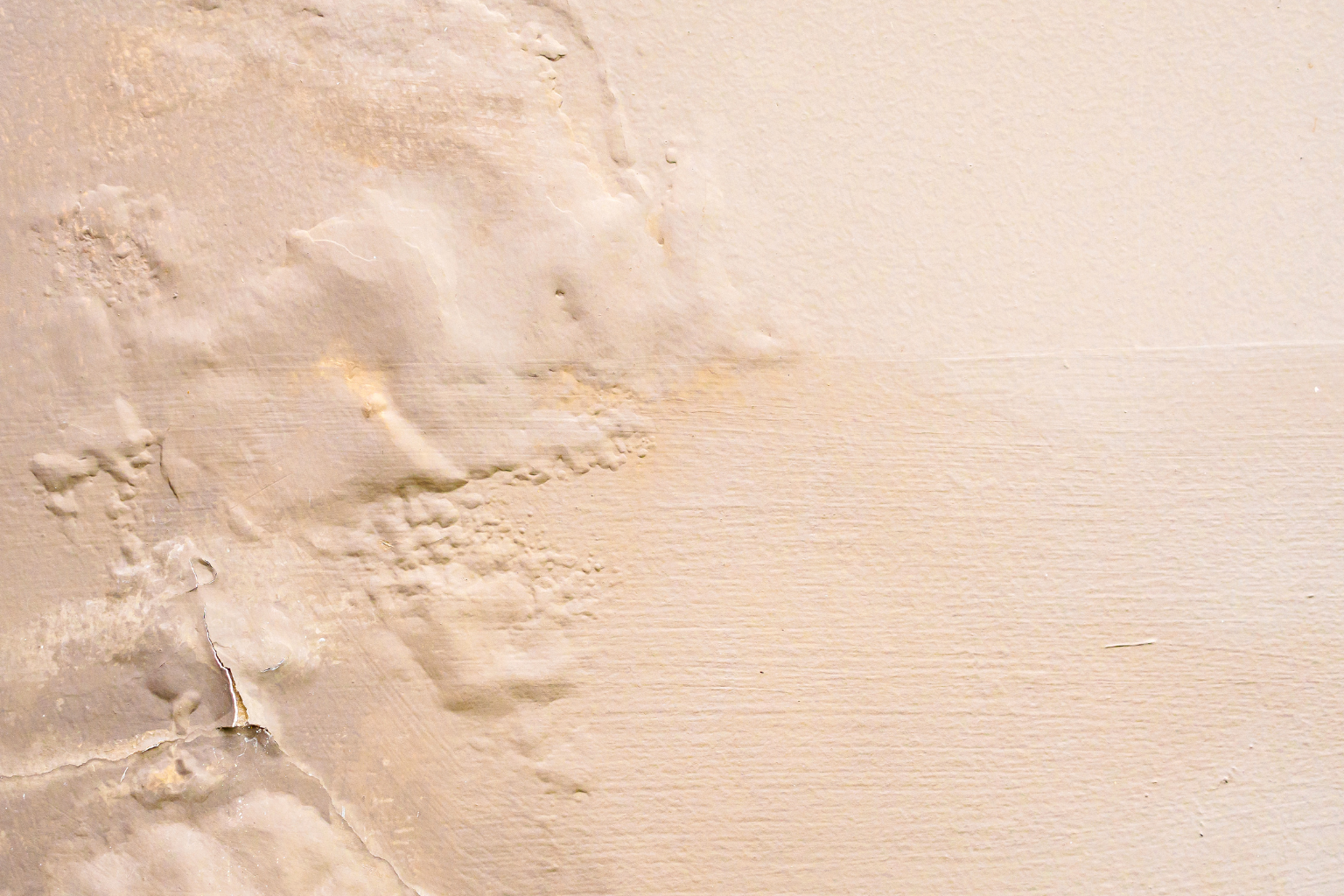
After years in water damage restoration, you quickly learn that the most obvious damage isn’t always the whole story. A homeowner may show us a wet section of carpet or discoloration along the bottom of a wall, but our next question is usually where the water started and how far it may have traveled.
We have seen this firsthand in Buckhead. In one home, a failed water filter connection released enough water to affect a large portion of the basement. Water reached wall materials, and the carpeting was damaged; restoration required removing wet materials to access the affected areas. Thermal imaging aided the assessment, while sections of wall cavities were opened where conditions warranted it.
Projects like that reinforce something our team at AdvantaClean of Sandy Springs has learned through experience. Water follows available paths, regardless of how expensive or carefully finished a room may be, so the restoration process has to follow those paths as well.
Hardwood, tile, carpet, drywall, cabinets, trim, and wall cavities all respond differently after a plumbing leak or other water loss. Professional water damage restoration in Buckhead therefore begins by evaluating the affected materials and determining how far moisture has traveled, rather than making decisions based solely on what appears wet.
Visible Water Does Not Always Show the Full Extent of the Damage
Standing water gets everyone’s attention because it is impossible to ignore, but the restoration process doesn’t necessarily end once it’s extracted.
Depending on the circumstances, moisture can migrate beneath flooring, reach the bottom of drywall, enter cabinets, or move into adjoining areas. Porous building materials may absorb water and retain moisture after the surface appears dry, so that the affected area can extend beyond the obvious staining or wet flooring.
This is one reason we use moisture assessment in the restoration process. Our goal is to establish where abnormal moisture conditions exist so the drying plan addresses the affected materials.
For Buckhead homeowners, this can be especially important in properties with extensive finished spaces, custom cabinetry, hardwood flooring, finished basements, and transitions between different building materials.
Tile Floors Can Hide a More Complicated Moisture Problem
Tile often creates a sense of security after a water loss because the finished surface itself appears durable. If water is sitting on the tile, it is reasonable for a homeowner to assume that removing the visible water has addressed most of the problem.
In practice, we have to consider the entire flooring assembly.
Grout lines, transitions, perimeter edges, adjoining walls, and the materials beneath the finished tile can influence how water moves. Conditions beneath the visible surface can therefore matter as much as the tile’s appearance.
This does not mean every tile floor exposed to water needs to be removed. Quite the opposite. We prefer to avoid unnecessary demolition whenever materials can be dried and restored appropriately. The decision should come from an assessment of the specific floor and surrounding materials, rather than an automatic assumption that the floor is either completely fine or needs to be removed.
Water Can Move Up Walls and Into Wall Cavities
Flooring is only part of the investigation because water damage is not always confined to a horizontal surface. Drywall, wood, insulation, and other porous building materials can absorb moisture when water remains in contact with them.
Depending on the source and severity of the loss, water may also enter wall cavities through openings near the floor. That is why discoloration or swelling along the bottom of drywall and baseboards warrants attention after a plumbing leak, an appliance failure, or a flooded room.
In the Buckhead water damage project mentioned earlier, moisture had reached sheetrock, and sections of the affected wall assemblies needed to be opened as part of the restoration and drying process.
This illustrates the difference between water extraction and structural drying. Extraction removes water that can be physically collected from the property, while structural drying addresses moisture absorbed by affected building materials. Both may be part of the same restoration project, but one does not automatically accomplish the other.
Hardwood and Other Flooring Require Careful Decisions
Flooring can be one of the biggest concerns we hear about when responding to water damage in Buckhead homes. Homeowners understandably want to preserve hardwood, carpet, tile, and other finishes whenever possible, particularly when those materials were carefully selected to match the property.
We want to preserve materials when it makes sense too. Unnecessary demolition increases the scope of repairs, creates additional disruption, and can turn a manageable restoration project into a much larger reconstruction job.
At the same time, saving a floor depends on whether the material can reasonably be dried and restored. In some situations, flooring can remain in place while appropriate drying methods are used. In others, removal may be necessary because the material itself has been substantially damaged or because the underlying wet materials cannot otherwise be accessed.
After years in this business, we have learned that neither “save everything” nor “tear everything out” is a particularly useful rule. The property conditions should drive the decision.
Moisture Detection Helps Define the Restoration Area
One of the more challenging parts of water damage restoration is establishing the boundary between materials affected by the loss and areas that remain at normal moisture conditions.
We may begin near the obvious source and evaluate conditions outward from there. Depending on the property, moisture meters, thermal imaging, visual observations, and knowledge of the building layout can help identify areas that deserve closer attention.
These tools are most useful when combined with experience. A thermal image, for example, can indicate temperature differences that warrant investigation, but it needs to be interpreted in the context of the building and confirmed appropriately. Moisture readings also become more useful when we understand the material being evaluated and have comparison points from unaffected areas.
The objective is not to make the restoration project larger than necessary. It is to establish a reasonable drying boundary based on evidence so the work stays focused on the materials actually affected.
Hidden Water Damage Can Become the Bigger Concern
High-end finishes can create understandable pressure to make a Buckhead property look normal again as quickly as possible. New trim, refinished flooring, fresh drywall, and paint create visible progress, while moisture inside a wall or beneath a floor is much easier to forget because nobody can see it.
That’s why you shouldn’t rush the drying portion of the project.
Before cosmetic repairs proceed, the water source should be corrected, and affected materials should be evaluated and dried as appropriate. Materials that cannot be adequately restored may require removal, while materials that can remain should be monitored as drying progresses.
Installing new finishes before addressing the underlying moisture problem may temporarily mask the symptoms without resolving the condition that caused them.
What Causes Water Damage in Buckhead Homes?
Our team responds to water damage caused by many different situations, and the source can influence both the extent of the loss and the restoration approach.
Plumbing supply lines, water heaters, appliance connections, toilets, sinks, washing machines, dishwashers, roof problems, and other building or plumbing failures can all release water into areas that were meant to remain dry. Some failures are immediately obvious, while slower leaks may continue behind appliances, cabinets, ceilings, or walls before anyone discovers them.
Visible water is only one part of the assessment. How long the materials were exposed, where the water traveled, what materials were affected, and whether the source has been corrected can all influence what needs to happen next.
Why Fast Water Damage Cleanup Is Important
Property owners often ask us how quickly they should respond to water damage. We recommend addressing it as soon as it can be done safely because building materials keep absorbing moisture while everyone decides what to do next.
An early response lets us evaluate the affected area, remove standing water when needed, establish drying conditions, and begin monitoring materials before the problem becomes more complicated.
Quick action does not mean rushing into unnecessary demolition. A good restoration response should still be deliberate. The objective is to control the situation early while making decisions based on the conditions found inside the property.
Water Damage Restoration for Buckhead Homes and Businesses
Buckhead properties range from condos and traditional single-family homes to large custom residences and commercial buildings. Layouts, materials, and finishes can vary considerably, so we don’t approach every water damage project with the same predetermined scope; we adjust our restoration approach to the property conditions we find.
At AdvantaClean of Sandy Springs, our experience has taught us to start at the source, follow the moisture, evaluate affected materials, and build the restoration plan around what we find. That process can include water extraction, moisture detection, structural drying, removal of damaged materials, and additional restoration work depending on the circumstances.
We provide water damage restoration in Buckhead as well as Sandy Springs, Dunwoody, Roswell, Alpharetta, and surrounding North Atlanta communities. Our team is available 24 hours a day for property damage emergencies.
If you are dealing with a burst pipe, an appliance leak, a plumbing failure, a flooded basement, or other water damage in Buckhead, call AdvantaClean of Sandy Springs at (404) 474-8443.
Visit AdvantaClean of Sandy Springs
View AdvantaClean of Sandy Springs on Google
Frequently Asked Questions About Water Damage Restoration in Buckhead
How do I know how far water has traveled?
The visible wet area does not always establish the full boundary of a water loss. Moisture assessment can help evaluate nearby flooring, drywall, cabinets, and other materials to determine whether water moved beyond the area where it was initially discovered.
Can hardwood floors be saved after water damage?
In some circumstances, hardwood flooring can be dried and retained, while in others it may require partial or complete removal. The decision depends on factors such as the amount of water, the duration of exposure, the condition of the flooring, the materials beneath it, and how the floor responds during drying.
Does wet drywall always have to be removed?
Not necessarily. The appropriate response depends on the source of the water, the extent of saturation, the condition of the drywall, the materials within the wall assembly, and whether effective drying can be achieved. A restoration assessment can help determine the appropriate approach.
How long does structural drying take?
There is no universal number of days for structural drying because every water loss involves different materials and environmental conditions. Moisture readings and ongoing monitoring provide more useful information about drying progress than relying solely on a predetermined timeline.
Can water damage cause mold?
Excess moisture can create conditions that support mold growth when susceptible materials remain damp. Addressing the water source and promptly starting appropriate drying can reduce how long materials stay wet.
Who provides water damage restoration in Buckhead, GA?
AdvantaClean of Sandy Springs provides professional water damage restoration for residential and commercial properties in Buckhead and surrounding North Atlanta communities. Our office is located at 6577 Long Acres Dr, Atlanta, GA 30328, and our team is available 24 hours a day. Call (404) 474-8443 for water damage cleanup and restoration assistance.
AdvantaClean of Sandy Springs, GA
(404) 474-8443
https://g.page/advantaclean-of-sandy-springs?share