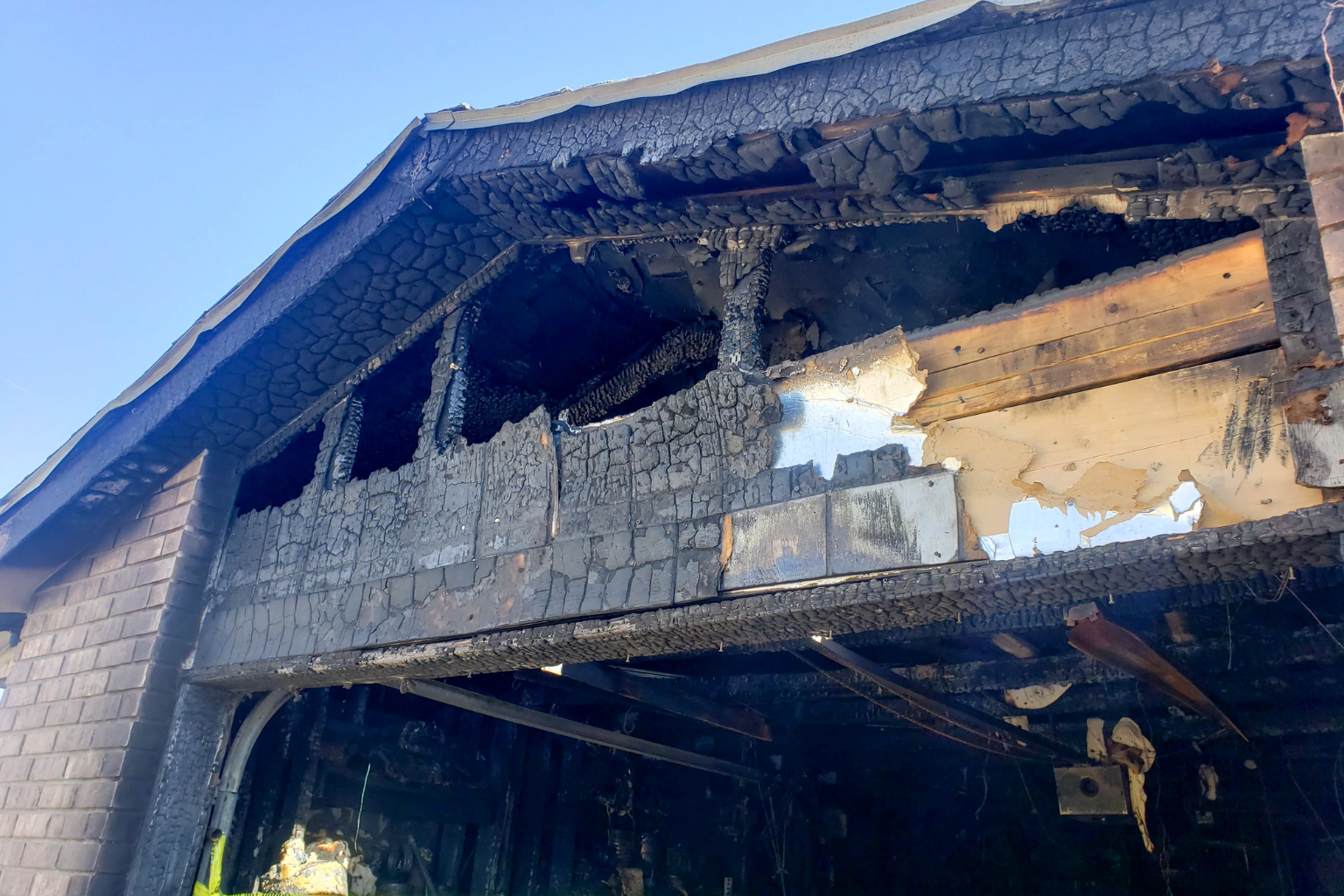
Even if a small electrical fire in a home office is put out before the flames spread to the hallway, the hallway can still smell smoky. A slight film might remain on a glossy surface in the adjacent bedroom. If water was used to extinguish the fire, both the flooring and the drywall near the source will also be wet.
This uneven distribution is because the term “fire damage” encompasses several different restoration issues. AdvantaClean of the Eastside has issued guidance on fires in Kirkland, noting that many of the fire calls they receive involve small incidents such as cooking flare-ups, electrical shorts, or candles. At the same time, smoke and soot can spread beyond the area that was directly burned.
Fire Damage Restoration Starts by Separating the Problems
Direct heat damage is generally the easiest to identify. Materials that have charred, melted, or been structurally damaged may need removal and repair. Soot requires a different approach, since the residue can settle on surfaces that were not in contact with the flame. The smell adds another aspect, especially when smoke gets into porous materials or into hidden areas.
Water is also a factor; even if the property owner focuses on the smoke and burned contents, fire suppression can wet building materials, which then must be removed and dried.
Considering these conditions as separate yet related aspects allows a reasonable sequence to be established, with safety and stabilization coming first, then assessment, followed by documentation, cleaning or removal, drying when necessary, dealing with the odor, and finally carrying out the repair.
Smoke Is a Traveler
The lack of burn marks doesn’t mean the room wasn’t affected. Smoke moves with air currents and can travel through doorways, shared cavities, and ventilation openings. Soot can settle in such a light manner that it is more easily detected by smell than by sight.
At the same time, it is not correct to suppose that the whole house should be treated in the same way. Assess rooms and materials based on the actual amount of exposure. Aim for accurate restoration rather than complete cleaning.
AdvantaClean from the Eastside offers fire and smoke restoration as well as water and mold services; its local website, https://advantaclean.com/bellevue-wa/, covers Kirkland and other Eastside communities.
Contents Deserve Deliberate Decisions
After a fire, it’s natural to want to get rid of everything. Documentation must be carried out before carrying out extensive disposal if it is safe to do so and if an insurance claim is in question. In some cases, items may be suitable for special cleaning, while severely damaged items might not be worth the effort of restoring.
What you’re cleaning matters; for example, a hard, nonporous surface poses a different kind of cleaning problem than upholstery, books, unfinished wood, or electronics. The quantity and kind of residue also matter.
That does not justify keeping every damaged item, but it does give you a reason to avoid making all your decisions about what to keep in the first emotional hours after the fire.
Odor Control Is Not the Same as Adding Fragrance
A place may look clean but still smell smoky because odor-causing residue stays on or in the affected materials. Deodorization works best after proper source removal and cleaning, rather than trying to cover up what is still there.
The same principle applies to reconstruction: don’t start too soon, since new finishes can’t replace cleaning soot, addressing odor causes or drying out wet materials.
The owners in Kirkland have a restoration plan which sets out the purpose of each stage. Separating the different types of damage makes the recovery process easier to understand and record.
Kirkland homeowners can make the early assessment more useful by noting which doors were open at the time of the fire, whether the HVAC system was running, and where the smoke smell is strongest. Although these details don’t replace a professional inspection, they can help explain how smoke traveled through the house. Even a fire confined to one room can create a cleaning pattern shaped by airflow, interconnected spaces, and materials that absorbed residue.
For fire damage restoration in Kirkland, call AdvantaClean of the Eastside at (425) 649-0600. The Google Business Profile at https://maps.app.goo.gl/uneJVcy8oE49rEVv7 provides another way to locate the local team.
AdvantaClean of the Eastside, WA
(425) 649-0600
https://share.google/CC4i4hXrse1a2Vxqj