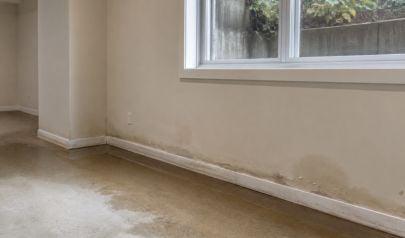
I've seen many wet basements on the Eastside. Kirkland ramblers, Bothell split-levels, and Mercer Island waterfront homes all face the same risk. Water doesn’t care about your home’s size or location. After years of restoring water damage in the Pacific Northwest, I’ve learned one thing: the damage you notice in the first hour is rarely the worst. The hidden damage is what really adds up.
The Eastside faces tough weather in winter and spring. This isn’t just a quick shower. It’s days of steady rain that saturate the ground, overwhelm drainage, and let water seep through every gap, crack, and unsealed spot in your foundation. When this happens, you have little time to act.
How Pacific Northwest Flooding Actually Happens
Most Eastside flooding isn’t dramatic or obvious. In Bothell and Shoreline, where many homes were built in the 1960s and 70s, flooding often happens slowly. Water seeps in through the base of foundation walls, floor cracks, or clogged window wells. By the time you notice standing water, moisture has already been soaking into the framing, drywall, and insulation for hours.
In Bellevue and Kirkland, things can be different. Older drainage systems and small lots mean heavy rain can overwhelm gutters and grading. Water pools against the foundation and pushes in due to pressure. Sump pumps often fail, usually during the one storm when you need them most, and suddenly a finished basement that took years to build is underwater.
Why the First 24 Hours Define the Outcome
Structural wood starts to absorb moisture within hours. Drywall pulls moisture upward, so a 2-inch flood line on the wall often means 12 to 18 inches of real saturation behind the surface. Subfloor materials can warp and come apart in less than a day. Mold, which is a separate issue, can start growing on damp materials in just 24 to 48 hours in a Pacific Northwest basement with high humidity.
Professional water damage restoration starts with extraction, but that's just the beginning. The real work is in the drying phase — deploying industrial air movers and dehumidifiers in the right configuration, monitoring moisture readings across materials, and confirming that structural components have reached dry standard before anything gets rebuilt. Residential fans and a rented shop vac don't accomplish that.
What Proper Water Damage Restoration Involves
When AdvantaClean of the Eastside responds to a flood call in Kirkland or Mercer Island, the first step is assessment not just of the standing water, but of what the water touched. Moisture meters, thermal imaging, and direct inspection of wall cavities, subfloors, and insulation give a real picture of the scope.
After that, extraction removes most of the water. Next, the drying equipment is adjusted for the space, materials, and current conditions. In a Pacific Northwest winter, the outside air is usually too damp to help with drying. This means dehumidifiers have to work harder and need to be managed closely, not just turned on and left alone.
Documentation matters too, especially for insurance. A proper restoration company creates a drying log with daily moisture readings, equipment placement records, and photographic documentation. This isn't just paperwork. It's what an insurance adjuster needs to process your claim efficiently.
Shoreline and Bothell Homes Need Extra Attention
Older homes in Shoreline and Bothell often have fiberglass batt insulation in crawl spaces and basements that has absorbed moisture for years. When flooding happens, this insulation acts like a sponge. Once it’s soaked, it must be removed because it can’t be dried back to normal. It keeps moisture against the framing, encourages mold, and loses its insulating power. Replacing damaged insulation is a key part of proper restoration, not just an extra step.
Frequently Asked Questions
How long does water damage restoration take in a typical Eastside home?
Most home drying projects take three to five days for the structure to dry, as long as water is removed quickly and the damage isn’t too widespread. Bigger jobs, like finished basements, multi-room flooding, or soaked subfloors, can take longer. Any rebuilding that’s needed comes after drying is complete.
Does my homeowner's insurance cover water damage from heavy rain?
It depends on the cause. Sudden, accidental water damage, like a burst pipe or an overflowing appliance, is usually covered. Flooding from rain at ground level is usually covered by a separate flood insurance policy. A restoration company with good documentation can help you figure out what applies when you file a claim.
Can I just dry out my basement with fans and open windows?
In the Pacific Northwest, opening windows during rain brings in humid air, which makes drying harder. Household fans don’t move enough air or in the right way to dry structural materials. Moisture can get trapped in walls and subfloors, leading to mold growth in a few weeks. Professional drying equipment is truly different, not just more powerful.
What's the risk if I wait a day or two before calling?
Mold can start growing within 24 to 48 hours in warm, damp conditions. Basements in the Pacific Northwest are usually cool, which slows mold a bit, but cool and wet still allows mold to grow. Waiting 48 to 72 hours turns a simple drying job into a bigger project that includes mold cleanup, which costs more and takes longer.
Do you work directly with insurance companies?
Yes. AdvantaClean of the Eastside works with all major carriers. The team documents the damage and drying process in the format adjusters need, which makes the claims process faster and more straightforward for the homeowner.
Get Your Home Dried Out the Right Way
If your home in Kirkland, Bothell, Bellevue, or Shoreline has water damage, don’t wait. Call a team that understands Eastside homes and weather. Every day you delay increases the risk of mold on top of water damage.
Contact AdvantaClean of the Eastside for a free, no-obligation assessment. We’ll explain exactly what’s going on and what it will take to fix it. AdvantaClean of the Eastside | Phone: (425) 649-0600