What Is Small Particle Cleaning, and When Does Your Home Need It?
Dust is a normal part of every home, but not all dust is created equal. Construction, remodeling, water damage, mold remediation, demolition, and other projects that disturb building materials can release extremely small particles that become airborne and settle throughout a home.
These fine particles can remain on surfaces and in hard-to-reach areas even after the visible dust has been cleaned.
Standard household cleaning may remove the dust you can see, but it may not adequately address fine particulate matter that has settled throughout the surrounding environment. That is where professional Small Particle Cleaning (SPC) comes in.
What Is Small Particle Cleaning?
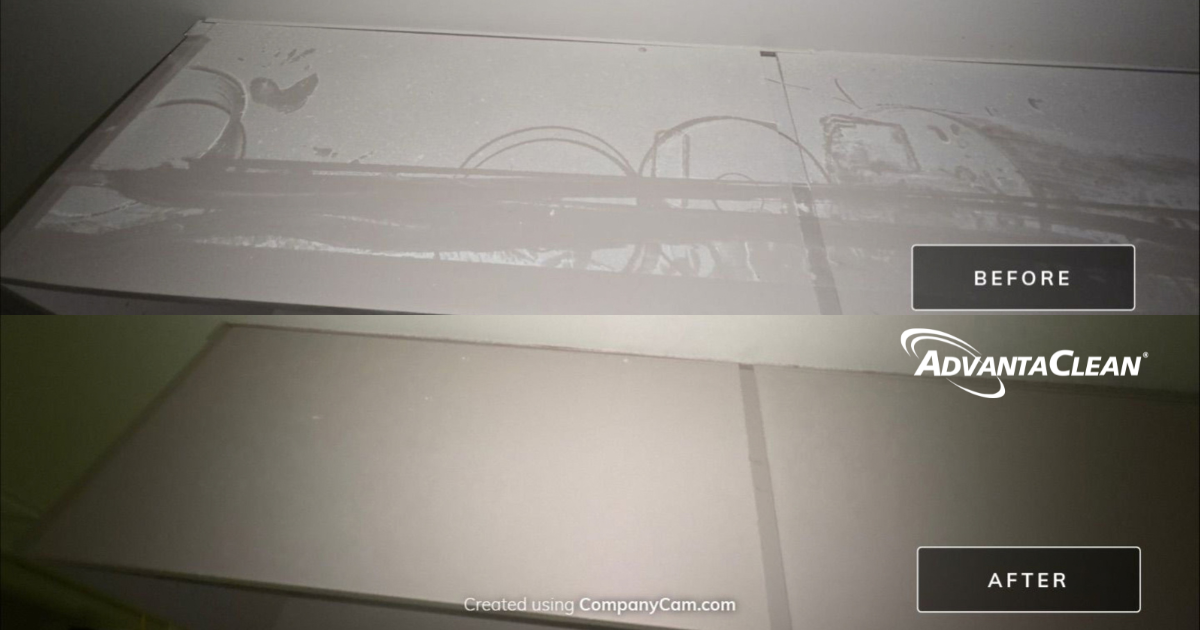
Small Particle Cleaning is a detailed cleaning process designed to remove fine particulate matter from surfaces throughout an indoor environment. These particles may include fine dust, construction debris, fibers, allergens, and other microscopic material that can settle on floors, walls, ceilings, furniture, fixtures, and other surfaces.
Unlike routine house cleaning, SPC focuses on the detailed removal of particulate matter using professional cleaning methods and HEPA-filtered equipment. The goal is not simply to make a home look cleaner. It is to physically remove fine particles from the areas being cleaned.
Where Do Small Particles Come From?
Fine particles can accumulate for many different reasons. Small Particle Cleaning may be appropriate following:
- Construction or remodeling projects
- Drywall sanding and other dust-producing work
- Water damage and restoration projects
- Mold remediation
- Demolition
- Insulation removal
- Long-term accumulation of dust and debris
- Other projects that disturb building materials or generate significant amounts of fine dust
Even when work is limited to one portion of a home, fine particles can sometimes travel beyond the immediate work area. Air movement, foot traffic, HVAC operation, and normal household activity can contribute to particles being distributed into other areas.
This is one reason homeowners may continue noticing fine dust after construction, renovation, remediation, or other work has been completed.
How Is Small Particle Cleaning Different From Regular Cleaning?
Traditional house cleaning typically focuses on visible dirt, dust, and everyday buildup. Small Particle Cleaning is much more detailed.
The goal is not simply to make surfaces look clean. The process focuses on physically removing fine particulate matter from the areas included in the cleaning scope.
Depending on the home and the reason for cleaning, the process may include HEPA vacuuming, detailed surface cleaning, wiping appropriate surfaces, and cleaning areas that may not normally receive attention during routine housekeeping.
Working systematically is important. Professional cleaning methods are designed to capture and remove particles rather than simply stirring them back into the air or moving them from one surface to another.
Why Is HEPA Filtration Important?
HEPA filtration plays an important role in professional Small Particle Cleaning.
HEPA filters are designed to capture very small particles. Using HEPA-filtered equipment during detailed cleaning helps prevent collected particulate matter from simply being exhausted back into the surrounding environment.
Professional HEPA vacuums and air filtration equipment may be incorporated into the cleaning process depending on the conditions and scope of the project.
Small Particle Cleaning After Construction or Remodeling
Construction and remodeling can create a surprising amount of fine dust. Cutting, sanding, drilling, demolition, drywall work, and removing building materials can all release particles into the surrounding environment.
Even when the immediate work area has been cleaned, fine construction dust can settle on horizontal surfaces, trim, fixtures, furniture, and other areas throughout the home.
If you continue to notice fine dust after a renovation or construction project, Small Particle Cleaning can provide a more detailed level of cleaning than conventional housekeeping.
Small Particle Cleaning for People With Environmental Sensitivities or Health Concerns
Another common reason homeowners seek Small Particle Cleaning is because someone in the household has health concerns or is particularly sensitive to conditions within their indoor environment.
This may include individuals with allergies, respiratory sensitivities, chemical sensitivities, or other health concerns who are working with a physician or other qualified professional to evaluate potential environmental factors within their home.
In these situations, homeowners are often looking for a much more detailed level of cleaning than conventional housekeeping can provide. Small Particle Cleaning focuses on the physical removal of fine particulate matter from accessible surfaces using detailed cleaning methods and HEPA-filtered equipment.
Small Particle Cleaning is an environmental cleaning service and should not be considered a medical treatment. It does not diagnose, treat, or cure health conditions. When a customer is working with a physician, Indoor Environmental Professional (IEP), hygienist, or other qualified professional, our team can work with an appropriate cleaning scope or protocol to address the environmental conditions identified for the property.
Is Small Particle Cleaning the Same as Mold Remediation?
No. Small Particle Cleaning and mold remediation serve different purposes.
Mold remediation focuses on addressing materials affected by mold growth and removing contamination according to an established remediation scope. Small Particle Cleaning focuses more broadly on removing fine particulate matter from surfaces and the indoor environment.
SPC may be performed as part of a larger remediation project, following remediation, or as a standalone service depending on the conditions within the property.
If visible mold growth or an active moisture problem is present, those conditions should be evaluated and addressed rather than relying on Small Particle Cleaning alone.
What Areas Can Be Included in Small Particle Cleaning?
Every property is different, which is why the scope of Small Particle Cleaning should be based on the conditions within the home and the reason the service is being performed.
Cleaning may include accessible:
- Walls and ceilings
- Floors and baseboards
- Doors, trim, and windowsills
- Shelving and cabinetry
- Light fixtures and ceiling fans
- Furniture and other appropriate contents
- Horizontal surfaces where particles commonly settle
Before work begins, it is important to determine which areas and materials can be appropriately cleaned and whether any items require special handling.
When Should You Consider Small Particle Cleaning?
You may want to consider professional Small Particle Cleaning if your home has recently undergone a dust-producing project or if you continue to notice significant fine dust or particulate buildup after other work has been completed.
It may also be appropriate following mold remediation, water restoration, demolition, insulation removal, or other projects that have disturbed building materials.
Some homeowners also seek Small Particle Cleaning when they want to reduce the amount of fine particulate matter within their home because of environmental sensitivities or health-related concerns.
Because every situation is different, an inspection can help determine whether Small Particle Cleaning is appropriate and which areas should be included in the cleaning scope. When health concerns are involved, medical questions should be discussed with an appropriate healthcare professional.
Frequently Asked Questions About Small Particle Cleaning
What does Small Particle Cleaning remove?
Small Particle Cleaning is designed to remove fine particulate matter that has settled throughout an indoor environment. Depending on the circumstances, this may include fine dust, construction debris, fibers, allergens, and other small particles on accessible surfaces.
Is Small Particle Cleaning just a deep cleaning?
Not exactly. While both involve detailed cleaning, Small Particle Cleaning specifically focuses on removing fine particulate matter. Professional HEPA-filtered equipment and detailed cleaning methods may be used to capture and remove particles rather than simply moving or redistributing dust.
Can Small Particle Cleaning help after construction or remodeling?
Construction and remodeling activities can produce significant amounts of fine dust, especially when drywall, wood, insulation, or other building materials are cut, sanded, removed, or disturbed. Small Particle Cleaning can be used to address particulate matter remaining after the work is complete.
Can Small Particle Cleaning be performed after mold remediation?
Yes. Small Particle Cleaning may be incorporated into or performed following a remediation project when detailed particulate removal is needed. However, SPC should not be considered a replacement for proper mold remediation when active mold growth is present.
Why do people with environmental sensitivities seek Small Particle Cleaning?
Some homeowners seek Small Particle Cleaning because they or someone in their household has heightened concerns about fine particles or other environmental conditions within the home.
SPC provides a detailed approach to physically removing particulate matter from the areas being cleaned. It is an environmental cleaning service rather than a medical treatment, and health-related concerns should be discussed with a qualified healthcare professional.
Do you use HEPA vacuums for Small Particle Cleaning?
Professional HEPA-filtered equipment is an important part of our Small Particle Cleaning process. HEPA filtration helps capture very small particles rather than allowing collected material to be exhausted back into the environment.
Does Small Particle Cleaning improve indoor air quality?
Small Particle Cleaning is intended to reduce particulate matter within the areas being cleaned. Because indoor air quality can be affected by many different factors, results will depend on the conditions within the property and the sources affecting the indoor environment.
How do I know if my home needs Small Particle Cleaning?
If you have experienced significant construction dust, demolition, remediation work, insulation removal, or another event that generated fine particulate matter, a professional evaluation can help determine whether Small Particle Cleaning is appropriate.
Professional Small Particle Cleaning in Northwest Chicagoland
AdvantaClean of Northwest Chicagoland provides professional Small Particle Cleaning for homeowners who need a more detailed approach to removing fine particulate matter from their indoor environment.
We frequently work with homeowners following construction, remediation, water damage, and other projects, as well as those seeking detailed environmental cleaning because of concerns about fine particulate matter within their homes.
When appropriate, we can also work with recommendations or protocols provided by an Indoor Environmental Professional, hygienist, physician, or other qualified professional.
Every home and situation is different. Our team can evaluate the conditions, discuss your concerns, and develop a cleaning scope based on your property's specific needs.
Concerned about fine dust or particles in your home? Contact AdvantaClean of Northwest Chicagoland to schedule an evaluation and find out whether Small Particle Cleaning is appropriate for your property.