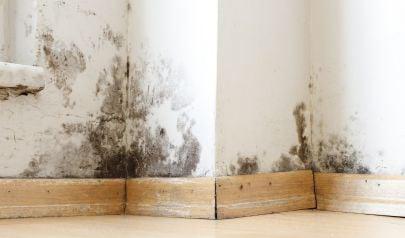
Our crew has learned something important over the years: homeowners rarely call and say, “I think I have mold.” Most of the time, the call sounds very different. This one came from a homeowner in Hamilton who thought they were dealing with excessive dust buildup around their vents and baseboards. They cleaned it repeatedly, but it kept coming back.
Situations like this are common across Fairfield, Mason, and Hamilton. Mold rarely announces itself clearly. It shows up disguised as allergies, musty odors, or recurring dust that never seems to stay gone.
When our trucks arrived, the homeowner was mostly looking for reassurance. They wanted to confirm nothing serious was hiding in their home. Mold inspections often begin exactly that way.
Why Mold Inspections Start With Listening, Not Testing
Before our technicians bring out inspection tools, we spend time asking questions. When did the problem start? Has there been water damage in the past? Do certain rooms feel different than others?
In this Hamilton home, the homeowner mentioned a minor basement water issue from the previous year. It had been cleaned up quickly, but they admitted the area never quite smelled the same afterward. That detail helped our crew narrow down where to begin.
Mold inspections are rarely random. They follow the moisture history. Across homes in Mason and Fairfield Township, we’ve found that understanding past water exposure often reveals where hidden growth is most likely to develop.
Where Mold Likes to Grow That Homeowners Rarely Check
Mold doesn’t prefer open, well-lit areas. It prefers spaces with limited airflow and steady moisture. During this inspection, our technicians checked behind stored items in the basement, inside wall cavities near exterior walls, and around insulation pockets.
Using moisture detection and air quality sampling, our crew identified elevated microbial activity along a basement wall where moisture had previously pooled. The growth wasn’t visible from the room itself, which is exactly why inspections matter.
Homes throughout Fairfield and Hamilton frequently contain finished basements, storage rooms, and crawl spaces that create ideal environments for hidden mold growth after even minor water events.
The Difference Between Mold Removal and Mold Remediation
Homeowners often ask if mold can simply be wiped away. Surface cleaning may remove visible growth, but it rarely addresses contamination inside building materials or airborne particles.
Mold remediation focuses on removing affected materials when necessary, controlling the spread of contamination, and restoring safe environmental conditions. In this Hamilton home, our crew built containment barriers before beginning removal work. This keeps spores from migrating to unaffected parts of the home during remediation.
Containment is one of the most overlooked steps by people attempting mold cleanup themselves. Without it, cleaning one area can unintentionally spread spores throughout the structure.
Why Air Filtration Is Part of Mold Remediation
During remediation projects across Mason and Fairfield Township, our trucks always include filtration equipment. Mold spores are microscopic, which means disturbing affected materials can release them into the air.
Our technicians used filtration systems during the Hamilton project to capture airborne particles while contaminated materials were removed. This step helps protect indoor air conditions while remediation progresses.
Many homeowners tell us they didn’t realize that mold remediation involves both structural and air-quality control. Both are essential.
What Changes Once Mold Is Properly Addressed
After remediation and drying were completed, the homeowner noticed more than just visual improvement. The basement smelled neutral again, and dust buildup slowed significantly. That is something we frequently hear when mold sources are eliminated rather than temporarily treated.
Our crew takes pride in reaching that point because it means homeowners can use their space without second-guessing what might be hiding behind walls or insulation.
Questions Homeowners Ask During Mold Inspections
Does mold always grow after water damage?
Not always, but moisture creates conditions in which growth becomes possible if materials remain damp.
Can mold exist without strong odors?
Yes. Some growth produces minimal smell but still affects air quality.
Should mold inspections happen after past water damage?
If moisture exposure occurred, inspections can help confirm conditions are stable.
When Something in Your Home Feels Off but You Can’t Explain Why
If you live in Hamilton, Fairfield, Mason, or nearby communities and suspect mold may be present, our crew at AdvantaClean of Fairfield and Mason is ready to help. You can call us directly at 513-810-5343. You can also learn more about our mold inspection and remediation services at https://www.advantaclean.com/fairfield-oh/. Check out our Google Business Profile for more information and reviews.