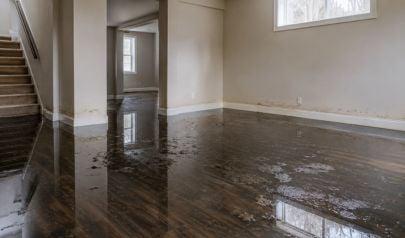
In northwest Atlanta suburbs like Kennesaw and Acworth, the weather can be unpredictable. From May to September, heavy thunderstorms can hit without warning. The red clay soil here doesn’t absorb water well, so neighborhoods near creeks can flood in less than an hour. When water gets inside, many homeowners aren’t sure what to do, and that confusion can end up costing them.
I’ve seen crews handle hundreds of these situations, and the pattern rarely changes. The storm hits hard; the water recedes, and then people wait, hoping everything will dry out on its own. But it won’t. Here’s what’s really happening inside your walls during that time.
The First Four Hours Are Not for Watching
Standing water in a finished room isn’t the only issue; it’s just the start of a series of problems. Within 2 to 4 hours, moisture begins to soak into drywall, insulation, subfloors, and wood framing. These materials hold onto that moisture, creating the perfect environment for mold to start growing.
In Kennesaw, building materials rarely dry out completely between storms. Floodwater only adds to the existing moisture, and mold can start growing within 24 to 48 hours. That 72-hour deadline contractors talk about is real. After that, cleanup gets much harder.
Another early problem is contamination. Stormwater that enters your home from a flooded yard, a backed-up drain, or a cracked foundation often carries soil bacteria, lawn chemicals, and sometimes even sewage from overloaded systems. This water isn’t clean, so it needs special handling.
What Professional Water Damage Restoration Actually Involves
When a restoration team shows up, their first step isn’t cleaning up. They start by documenting the flood damage and mapping out where the moisture has spread. Using thermal cameras and moisture meters, they find water that isn’t visible. In a typical Kennesaw home, water from a flooded crawl space or basement can move sideways through the lower parts of walls and rise into areas you might not notice.
Once the team knows where the water is, they remove or extract the affected materials. Wet carpet and padding usually have to go because they hold too much moisture to dry properly. If drywall has absorbed water beyond a certain point, it needs to be cut out and replaced. The main goal here is to expose the structure, not just get rid of what you can see.
Next, drying equipment is set up. Industrial dehumidifiers and air movers run together for several days, with daily checks on moisture levels. This is where do-it-yourself efforts often fall short—regular fans and home dehumidifiers just can’t move enough air to dry out building materials in Georgia’s climate.
Acworth and Cartersville Properties Have Some Specific Considerations
Homes in Acworth near Lake Acworth and along creeks face different flooding patterns than those in Kennesaw’s suburbs. Storm surges from the lake and flash floods in low-lying areas can bring water from several directions at once.
In Cartersville, homes on rural lots with older septic systems have another problem during heavy rain. If the soil is too wet, the drain fields can’t handle the water, and sewage can back up into the house. This situation needs a completely different approach.
In all three areas, older homes with block or stone foundations are especially at risk. When the red clay soil is soaked, water pressure can force water through cracks that may not have been noticeable before.
What You Can Do Before the Crew Arrives
If electricity is isolated from the affected area, removing standing water with a wet-dry vacuum slows material migration. Document everything with photos before touching anything. Move belongings out of the wet zone and wear gloves if the water may carry contaminants.
Common Questions Homeowners Ask After a Flood
Will my homeowner’s insurance cover this? Most standard policies cover sudden water damage from storms that affect the structure, but they don’t cover floodwater that comes in from the ground. You need a separate flood policy for that. Be sure to document exactly where the water came in.
How long will drying take? For most homes, it takes three to five days of active drying to reach the right moisture level. Bigger floods will take longer. The process is finished when moisture readings are normal, not just after a set number of days.
Can I stay in the house during restoration? In many cases, yes, depending on how much damage there is and where it is. If the basement is flooded but the work is contained, you might be able to stay. If the first floor is affected and drying equipment is in your living spaces, it’s different. The crew will let you know what’s best.
Get Someone Looking at It Today
If your home has water damage from a storm in Kennesaw or Acworth, the best thing you can do is get a professional to assess it right away. Don’t wait until next week—call today. Acting quickly can make a big difference in how much work needs to be done and how much it will cost.
AdvantaClean of Kennesaw is available 24/7 for water damage emergencies. You can find us on Google Maps. Whether you’re dealing with stormwater, flash flooding, or a problem that’s been around for a while, our team is ready any time to assess the damage and start drying things out before they get worse.
Available 24 hours a day, every day.
AdvantaClean of Kennesaw | Phone: (470) 887-9171