A Marietta, Georgia’s Homeowner Checklist
Marietta homeowners face numerous hazards during intense storms. These often include:
-
Fallen tree limbs
-
Roof punctures or missing shingles
-
Downed power lines pose an electrical risk
-
Flooded interiors
-
Overflowing drainage systems or groundwater infiltration
This checklist guides you through the steps to take and when to engage with professional restoration services.
Look for Structural Hazards Before Entering
Start by walking around your home and checking for visible signs of structural stress. Watch for bowed walls, tilted chimneys, exposed wiring, or parts of the roof that appear to have shifted. If you see any of these issues, stay out and call for professional help. Never step into pooled water where electrical systems may be affected.
Start an Organized Record for Insurance
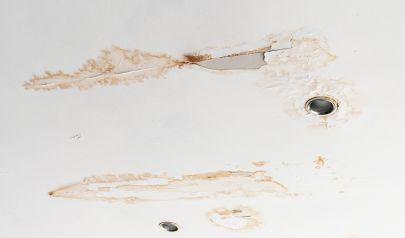
Photograph everything before cleanup begins. That includes roof damage, soaked flooring, wall stains, furniture, and even contents in closets or drawers. Make notes on when and where each area was affected. This kind of documentation can help streamline your insurance claim later and avoid disputes.
Address Interior Water Exposure Immediately
Standing water or saturated materials should never be ignored. Mold can begin growing in as little as 24 hours, especially in porous materials like drywall and wood. A certified Water Restoration Technician (WRT) will determine the class of water loss and identify hidden pockets of moisture. Household fans and open windows won’t resolve trapped humidity and may cause further damage.
Reduce Airborne Risks Early in the Process
When contaminants or moisture enter your home, air quality often declines fast. Following IICRC recommendations, professionals may set up containment barriers and use negative air machines with HEPA filters. This action helps prevent airborne mold or debris from spreading to unaffected areas. If lightning or fire is involved, a Fire and Smoke Restoration Technician (FSRT) may also need to assess for soot and residues.
Don’t Remove Wet Materials Without Training
Water-damaged drywall and insulation can contain harmful bacteria or mold spores. Removal should be performed under controlled conditions, using personal protective equipment (PPE) and proper containment methods. S520 protocol outlines the process for demolition and debris management. Category 3 water events, such as floodwater or sewage, require antimicrobial treatment and personal protective equipment.
Choose Local Restoration Pros With Relevant Training
Working with a contractor who understands Marietta’s weather trends, building codes, and inspection requirements can save time and prevent missteps. Ask if the team follows ANSI/IICRC S500 drying standards, uses thermal imaging or hygrometers, and provides you with specific drying goals. Avoid companies that offer vague timelines or skip moisture mapping altogether.
If you’ve experienced storm damage in Marietta, call AdvantaClean of Marietta at (470) 819-2077 for expert evaluation and cleanup. Our technicians are trained to handle water intrusion, microbial risks, and structural recovery with care and precision.