Most people do not expect flooding when they move to Waxhaw. The town is known for its historic district, tree-lined streets, and rapidly growing neighborhoods. However, Waxhaw is prone to intense summer thunderstorms that can bring several inches of rain in less than an hour. When remnants of hurricanes move through the Carolinas, Union County often experiences significant flooding.
After these events, I have seen Indian Trail subdivisions with standing water in finished basements, Waxhaw homes where overwhelmed storm drains caused water to enter crawl spaces, and Monroe neighborhoods where fallen trees damaged roofs. The circumstances are similar across locations. The first hour after a storm is critical, as homeowners often make decisions that can either prevent further damage or lead to costly mistakes.
Before You Walk Back In
Many people are eager to assess damage immediately, but entering a flooded or storm damaged structure without proper precautions is genuinely dangerous.
Electricity and water are a hazardous combination. Standing water in a basement or crawl space may be energized if electrical circuits are compromised. Before re-entering after significant water intrusion, ensure the main breaker is off, or contact the utility company if you are unsure about the electrical service. This precaution is essential for safety.
Stormwater is not clean and often contains contaminants such as bacteria, sediment, and other hazardous materials, especially if it enters through drains or foundation vents. Wear gloves and boots before entering the affected area. Before you start moving through rooms. A tree impact or heavy roof damage can affect load-bearing elements. If you see significant wall or ceiling deflection, don't linger under it.
What Storm Damage Actually Looks Like Inside a House
Visible damage rarely reflects the full extent of the problem. For example, a watermark on the ceiling after wind-driven rain may indicate that water has entered behind the fascia and into the wall cavity, saturating insulation and framing. If not properly dried, this hidden moisture can later cause mold, structural decay, or paint failure.
In Waxhaw and the surrounding Charlotte metro area, a few patterns come up repeatedly after big storms. Older homes in the historic core tend to have brick or lap siding with window and door flashing that's been resealed multiple times. When wind-driven rain hits hard enough, those flashings leak. Newer homes in the outlying subdivisions often have large garage door openings and vinyl siding. The siding can take a hit, but the joints and penetrations are where water gets in.
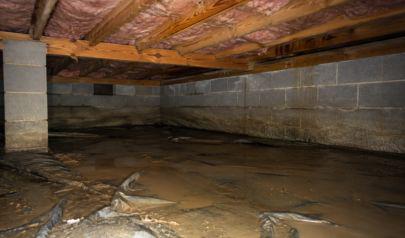
Crawl spaces in Union County are especially vulnerable after flooding. The clay soil absorbs water slowly, so heavy rain can saturate the ground up to crawl space vents. Once water enters, it can rise into the floor structure, insulation, and subfloor above.
The Restoration Process After a Storm
When a restoration crew arrives at a storm-damaged property, the first step is a thorough assessment. This includes identifying both visible and hidden moisture using meters and infrared imaging. Water in a wall assembly may appear as a small surface stain, but the actual saturation behind the drywall can be much more extensive.
If there is a roof breach, it is covered immediately with tarps or temporary repairs to prevent further weather exposure. Structural drying begins with the extraction of standing water, followed by the use of dehumidification equipment to systematically remove moisture from the structure.
Materials that are saturated and cannot be dried in place must be removed to allow the underlying structure to dry properly. This typically includes insulation, flooring underlayment, and some drywall. Although this step may seem disruptive, it is necessary to prevent hidden mold problems in the future.
Documentation is essential throughout the restoration process. Take photos at each stage, record moisture readings, and maintain a drying log to track progress. This information is critical for insurance claims, which are common in storm damage cases.
Filing a Storm Damage Claim in North Carolina
North Carolina homeowners policies typically cover wind and storm damage, but documentation requirements are strict. Adjusters require evidence of the storm event, the date of loss, and a clear link between the storm and the damage. Photos with timestamps taken before cleanup begins are the most valuable documentation you can provide.
A licensed restoration contractor can provide written documentation that aligns with insurance adjuster requirements. Partnering with an experienced restoration company streamlines the claims process.
For storm damage and flooding in Waxhaw, Monroe, Charlotte, and the rest of Union County, AdvantaClean of Monroe responds fast and documents thoroughly. They know the local soil conditions, the housing stock, and the insurance process. Check out what neighbors have said at AdvantaClean of Monroe on Google Maps. The reviews after last year's storm season speak for themselves.
One More Thing Worth Saying
If your neighbor's house was affected or your own sustained more damage, contact a professional immediately rather than waiting to see if conditions improve on their own. Professional drying equipment is far more effective than household fans. Acting quickly is almost always less costly than addressing mold that develops later.
Storms are part of life in this part of North Carolina. Having a plan for storms is common in this region of North Carolina. Having a clear plan for recovery doesn't need to be complicated, or the next rain event revealing more damage just isn't worth the risk.
AdvantaClean of Monroe | Phone: (704) 256-4869