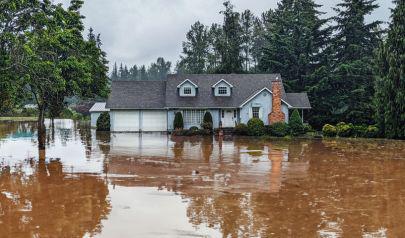
Why Duluth Homes Are Especially Vulnerable to Contaminated Floodwater
When homes in Duluth experience flooding, whether from heavy storms, sewer backups, or rising groundwater, the damage can go far beyond soaked carpet or warped flooring. One of the most overlooked risks in flood damage cleanup is contamination. Floodwaters that appear to have receded cleanly may still pose serious health and structural risks due to what they leave behind.
What Is Category 3 Water?
Not all floodwater is equal. The most dangerous kind is classified as Category 3, also known as "black water." This designation includes grossly unsanitary water. In Duluth and similar areas, floodwater often picks up contaminants as it travels, especially if it comes from overwhelmed sewers, storm drains, or creeks flowing through industrial zones.
Examples of common contaminants in Category 3 water include:
-
Raw sewage from broken sewer lines or toilet overflows
-
Pathogens such as E. coli, Salmonella, or Clostridium difficile
-
Pesticides and herbicides from landscaped areas or nearby farms
-
Motor oil, antifreeze, and fuel from flooded garages or streets
-
Industrial runoff from factories, warehouses, or service centers
Why Cleaning Visible Water Isn't Enough
After a flood, it's easy to assume that once the water is gone and the floors are dry, the danger has passed. Unfortunately, contaminants don't disappear when the water recedes. Many of these substances bind to porous materials like drywall, insulation, subflooring, and wood framing.
This situation leads to several risks:
-
Lingering odors caused by bacteria or chemical residues
-
Increased mold growth, especially when biological waste is present
-
Potential exposure to toxic materials during future renovations
Standard drying equipment and fans may speed up evaporation. Still, they can also aerosolize harmful particles if air filtration isn't used. Without professional containment and cleaning protocols, families may be exposed to bacteria and volatile organic compounds (VOCs) weeks or even months later.
When to Involve a Professional
If there's any uncertainty about the source of floodwater in your Duluth home, assume it may be contaminated. A trained water damage restoration specialist will:
-
Identify the water category through visual and environmental assessments
-
Remove affected porous materials that cannot be decontaminated
-
Use EPA-registered disinfectants
-
Use air scrubbers and containment barriers to protect indoor air quality
-
Conduct post-cleanup testing (if necessary) to confirm safety
Professionals also follow local building codes and health regulations that homeowners may not be aware of, reducing the risk of future liability or health complaints.
Don't Underestimate Contaminated Water
The effects of contaminated floodwater can be long-lasting. If your home has experienced any flooding, take the threat seriously, even if the surfaces look clean. The cost of cutting corners now can lead to much higher expenses down the line, especially when hidden contamination is discovered after a renovation or during a home sale. Call AdvantaClean of Norcross and Buford at (470) 819-2070 for expert flood damage cleanup in Duluth.
AdvantaClean of Norcross and Buford, GA
3050 Business Park Drive # D, Norcross, GA 30071
(470) 819-2070