Most homeowners imagine water damage as something dramatic. A burst pipe. A flooded basement. Water is pouring across the floor.
But some of the messiest restoration jobs we see around Dunwoody start with something far quieter.
An upstairs bathroom leak.
At AdvantaClean of Sandy Springs, our technicians have responded to many homes across Dunwoody, Sandy Springs, Decatur, and Clarkston where the first clue wasn’t water on the floor upstairs. It was a ceiling downstairs beginning to sag slightly.
Or a small brown circle forming around a light fixture.
By the time that stain appears, water has usually been traveling through the structure for some time.
How Bathroom Leaks Spread Inside a Home
Bathrooms contain multiple water connections: sink supply lines, toilet seals, shower plumbing, and tub drains. Any one of those components can develop a small leak.
Unlike a burst pipe, these leaks often release water slowly.
That water slips through the floor around plumbing openings and soaks into the subfloor beneath the bathroom. Once it reaches the ceiling cavity below, it spreads along the framing before appearing in the room below.
Homes in Dunwoody and Sandy Springs with second-floor bathrooms often experience this pattern. A leak that begins near the tub upstairs may appear several feet away on the ceiling below.
In older homes around Decatur and Clarkston, plumbing seals and drain assemblies may wear out over time, gradually allowing moisture to escape.
The Subtle Signs Homeowners Notice First
Water from a bathroom leak rarely announces itself loudly. Instead, homeowners often spot small changes around the house.
Some of the most common clues include:
-
faint ceiling stains forming in rooms below a bathroom
-
peeling paint around light fixtures
-
drywall beginning to soften or sag
-
a musty smell near the ceiling or wall
-
bubbling paint near crown molding
In some homes across Dunwoody and Sandy Springs, moisture can even travel along framing members before appearing in nearby hallways or closets.
This is one reason bathroom leaks sometimes surprise homeowners by how far the water has spread.
The First Step Our Team Takes
When we arrive at a home with suspected water damage from an upstairs bathroom, we start by mapping the moisture.
Visible damage often represents only part of the problem. Water may already have soaked the insulation, framing, and drywall within the ceiling cavity.
Our technicians use moisture-detection equipment to check the surrounding areas for hidden water.
Once we understand the full extent of the moisture, we remove any standing water and set up drying equipment to extract moisture from structural materials.
Each home in Dunwoody, Sandy Springs, Decatur, and Clarkston has a different layout, so the drying process is adjusted to match the structure.
Preventing the Problem From Growing
One of the biggest risks of slow plumbing leaks is that they often go unnoticed for weeks.
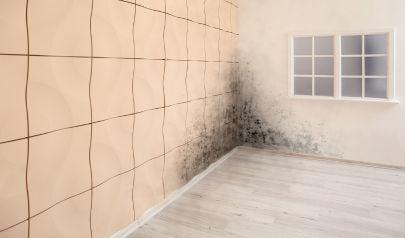
Over time, that moisture can weaken drywall, warp flooring, and create conditions where mold may grow in hidden areas.
Addressing the leak promptly and drying affected materials helps prevent damage from spreading to larger areas of the home.
If you notice ceiling stains or suspect a leak near an upstairs bathroom, it’s worth having the area inspected before the situation worsens.
Homeowners throughout Dunwoody, Sandy Springs, Decatur, and Clarkston can contact AdvantaClean of Sandy Springs for help with water damage restoration, mold remediation, fire damage cleanup, and professional inspections.
Call (404) 474-8443, visit https://www.advantaclean.com/atlanta-ga/, or view the Google Business Profile here: https://maps.app.goo.gl/n3yZu29UnCHzbkw88
Our team is always ready to help homeowners track down hidden leaks and restore their homes after unexpected water damage.
AdvantaClean of Sandy Springs, GA
(404) 474-8443
https://g.page/advantaclean-of-sandy-springs?share