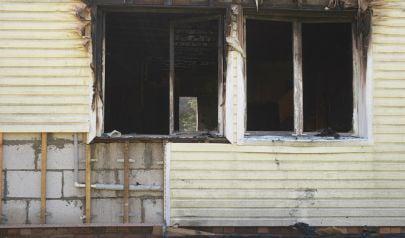
Why Fire Damage Restoration Demands Precision
Soot looks like a simple black stain, but don’t let that fool you. This residue forms in several ways, and each calls for a different cleaning method. At AdvantaClean of Sandy Springs, we take cleanup seriously. Using the wrong approach doesn’t just fall short—it can make things worse by spreading contaminants or causing permanent discoloration.
Wet Smoke vs. Dry Smoke
In fire cleanup, there are two main types of soot we encounter in Sandy Springs: wet smoke and dry smoke.
Wet smoke builds up during slower-burning fires, especially when plastics or rubber are involved. It clings to surfaces, spreads easily, and carries a heavy odor. Wiping it with a damp cloth often backfires, driving the residue deeper into walls or ceilings.
Dry smoke, by contrast, comes from fast-burning, high-temperature fires, such as wood, paper, or textiles. It leaves a fine powder that’s easier to lift if the right method is used. But here’s the catch: the wrong tools can grind it in or smear it across surfaces that would’ve cleaned up otherwise.
This is why guesswork can do real harm. Wet cleaners on dry soot lead to staining. Scrubbing wet smoke with everyday tools can press the oily material deeper into drywall, insulation, or wood grain. The damage may not be visible at first, but it sets in fast.
Cleaning Tools that Match the Job
Our team uses tools that fit the task and not just any off-the-shelf solution. One of our standards is the chemical sponge, also known as a dry sponge. It’s made of vulcanized rubber and works without water, making it perfect for lifting dry soot from walls, trim, and ceiling surfaces. These sponges pick up the residue instead of smearing it.
For deeper cleanup, especially on wood beams or fire-damaged concrete, we often use dry ice blasting. This method involves high-speed pellets of frozen carbon dioxide that knock soot off without scraping the surface. There’s no leftover dust, no slurry, and no need for chemicals.
Highlight Tool: Morantz M-115 Ultrasonic System
Some smoke damage is too delicate for scrubbing. When we’re cleaning electronics, ceramics, or detailed items, we rely on the Morantz M-115 Ultrasonic Cleaning System. This equipment uses sound waves to reach inside cracks and seams, loosening soot that brushes and sprays can’t touch.
Using this system helps save items that would otherwise be thrown away. It works well on fragile pieces, helping restore them without further damage. For clients with heirlooms or valuable office equipment, that makes a big difference. However, expensive fine art can be sourced out to a curator for cleaning. Intricate electronic interiors are also farmed out to a third party for cleaning.
Why Cleanup Shouldn’t Be Rushed
Fixing fire damage means more than wiping walls and tossing debris. Odor control, surface safety, and long-term durability all depend on choosing the right methods from the start. At AdvantaClean of Sandy Springs, we test materials, identify the type of residue, and use equipment that fits the job and not whatever’s most convenient.
Whether the damage came from a small kitchen fire or a full-blaze commercial loss, we have the knowledge and gear to clean it properly. Call AdvantaClean of Sandy Springs at (404) 474-8443. Let our certified crew handle the cleanup with attention to detail. Emergency service is available when time matters most.