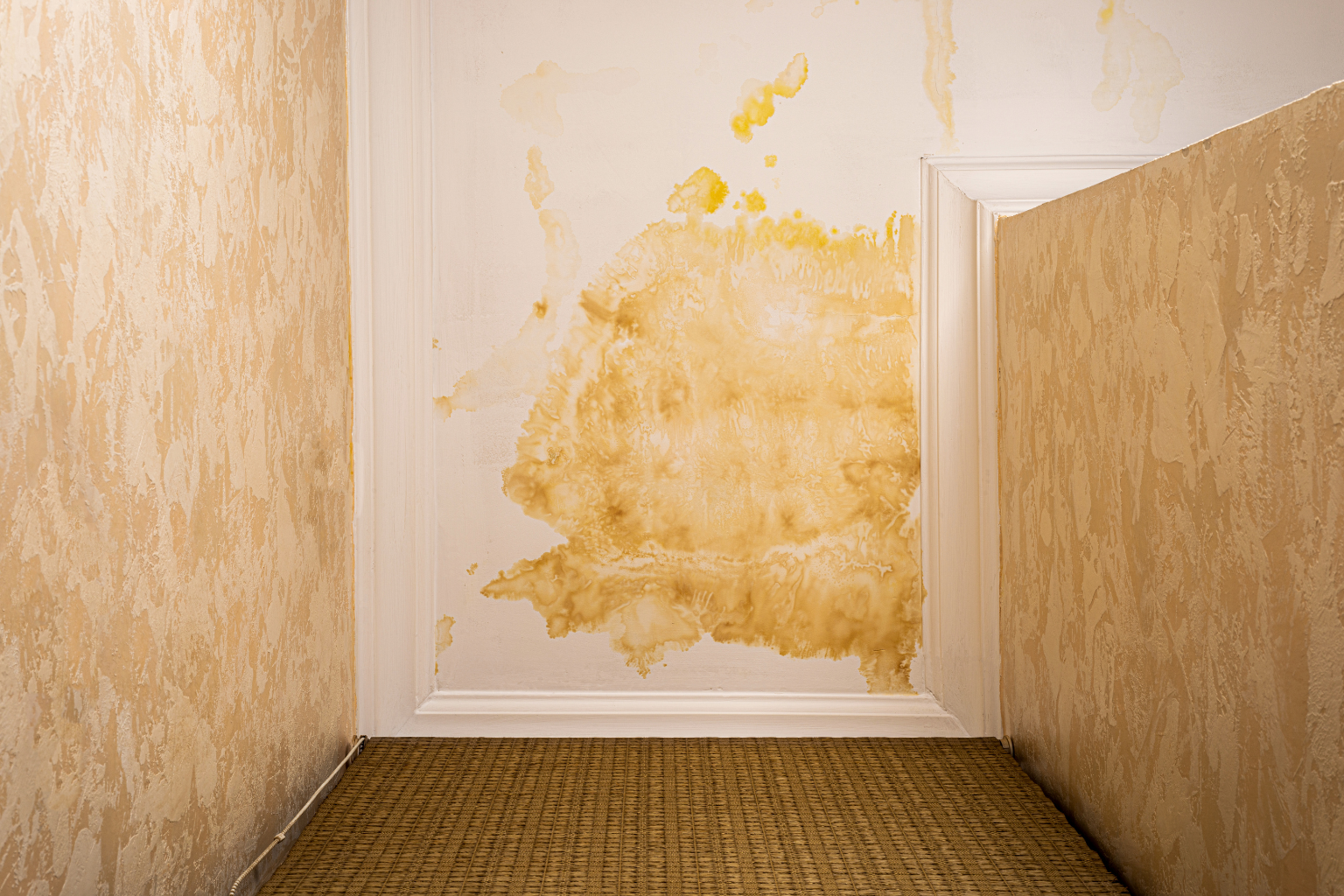
You do not always see water damage. That’s what catches Mercer Island homeowners off guard. The floor feels slightly soft near the dishwasher. A faint smell in the hallway gets stronger in summer. Paint bubbles near a bathroom wall that shares a line with the shower. These signs often get noticed, then ignored for a month or two while life moves on. By the time someone calls us, a small leak behind the wall has become a job that involves framing, subfloor, and a mold conversation. If you notice these signs, call us before the damage spreads.
We do a lot of water damage repairs on Mercer Island. The island’s geography, aging housing stock, soil conditions influenced by proximity to Lake Washington on both sides, and plumbing systems in many homes that have outlasted their original design life create a fairly predictable set of water damage scenarios.
Why Mercer Island Has Its Own Set of Water Risks
Mercer Island sits between Lake Washington and the east channel, which means the water table across significant portions of the island sits relatively high. Homes with crawl spaces, especially those built in the 1950s through 1980s, deal with ground moisture that is more aggressive than you would find in a comparably aged home on higher ground in Kirkland or Shoreline. Vapor barriers in those crawl spaces degrade over time, and eventually a compromised barrier lets moisture affect the wood framing above.
Add to that the plumbing profile of many Mercer Island homes. Many properties on the island still have galvanized steel supply lines or early-generation copper systems with soldered joints, both of which are reaching the end of their service life. Galvanized lines corrode from the inside out, so the outside looks fine until it doesn’t. A pinhole leak in a wall cavity is not dramatic. It does not flood a room. It just drips, slowly and invisibly, into the wall framing and subfloor below, while the homeowner has no idea.
The high value of many Mercer Island properties also means homeowners tend to invest in kitchen and bathroom renovations. Tile work, new fixtures, updated cabinetry. This is all great until a poorly seated wax ring under a toilet or an improperly connected dishwasher drain line starts releasing water behind or under the new finishes. We have opened up beautiful new kitchens on this island and found subfloor damage well underway within two or three years of a renovation because of a connection that wasn’t quite right.
What Hidden Water Damage Looks Like in Practice
In our experience with flood damage cleanup, hidden water damage in Mercer Island homes usually falls into a few categories. Subfloor deterioration under bathrooms, particularly around toilets and shower pans. Wall cavity moisture from supply line failures in walls between bathrooms and adjacent rooms. Crawl space framing damage from ground moisture migration. Less commonly, elevated water tables can affect below-grade spaces in homes built with partial basements or daylight basements on the island’s sloped lots.
What these situations share is that the damage is not visible until it is already significant. By the time a floor feels soft, the subfloor has usually been wet long enough that the structural integrity is compromised in that area. By the time you see a bubble in the paint, the drywall behind it may be saturated several feet beyond the visible sign.
We use moisture meters, thermal imaging cameras, and sometimes borescope cameras to see what is going on inside a wall or under a floor without tearing everything out first. This lets us do more targeted work, such as water extraction in many cases, which is better for homeowners and makes the repair process more straightforward.
When Mold Is Already Present
Hidden water damage and mold often go hand in hand. If a wall cavity has been wet for more than 48 to 72 hours, conditions for mold growth are present. If it has been wet for weeks or months, mold is almost certainly there. We approach jobs on Mercer Island with this assumption when the timeline is unclear, and we don’t skip containment and air-scrubbing steps, even if the visual evidence is limited. The last thing a homeowner needs is a remediation job that spreads contamination to clean areas of the house because the scope was underestimated.
We also serve homeowners in Bellevue, Kirkland, Bothell, and Shoreline who are dealing with similar hidden water damage situations. The specifics change, but the approach stays the same: find the source, measure the extent, dry it out properly, and address any mold before closing things back up.
Frequently Asked Questions About Water Damage on Mercer Island
How do I know if I have water damage inside a wall?
Common signs include paint or wallpaper that is bubbling or peeling without an obvious cause, a musty odor in a specific area of the home, soft or springy spots in the floor near plumbing fixtures, staining on drywall or ceilings that appears without a visible roof leak, and, in some cases, visible mold at the base of a wall near the floor. If you notice any of these, it is worth having a professional assess them with moisture-testing equipment rather than waiting to see if they resolve on their own.
Does the high water table on Mercer Island affect crawl spaces differently than it does in other areas?
Yes, it can. Homes in low-lying areas of Mercer Island and along shoreline corridors can experience more persistent ground moisture infiltration than in higher-elevation neighborhoods. A functioning vapor barrier and, in some cases, a crawl space drainage system are important in these locations. We recommend that homeowners with crawl spaces on the island have them inspected periodically, especially if the vapor barrier hasn’t been replaced in more than ten years. Schedule an inspection if you want to catch issues early.s.
Can old galvanized pipes cause hidden water damage without an obvious leak?
Yes, and this is a real issue in older Mercer Island homes. Galvanized steel corrodes from the inside, gradually narrowing the pipe diameter before eventually failing. Small pinhole failures can drip into wall cavities for months before the damage becomes visible. If your home has galvanized supply lines and you see any signs of moisture issues, a plumbing inspection and assessment of wall-cavity conditions is worth doing proactively.
How long does water damage restoration typically take?
It depends on the scope, but most residential water-damage jobs on Mercer Island follow a similar timeline. Water extraction is completed within the first day. Active drying typically runs for three to five days, with daily moisture monitoring. We demo unsalvageable materials once we confirm the source and drying is underway. After that, the reconstruction timeline depends on the extent of damage and which materials need to be replaced. We work to give homeowners realistic timelines upfront rather than making estimates that end up extending.
Does homeowner’s insurance typically cover hidden water damage?
This depends on your specific policy, but generally, sudden and accidental water damage from a plumbing failure is often covered, while gradual damage from a slow leak that wasn’t addressed often isn’t. Proper documentation of the source and timing of damage matters for the claims process, and we provide thorough documentation as part of our work. If you are unsure about your coverage, call your insurance carrier early in the process. Ask for help documenting the damage before you file.
AdvantaClean of the Eastside, located at 4204 Russell Rd, Mukilteo, WA 98275, provides water damage restoration, mold remediation, and related services across Mercer Island and the greater Eastside. You can also find us on Google to read reviews from Eastside homeowners we have worked with.
AdvantaClean of the Eastside, WA
(425) 649-0600
https://share.google/CC4i4hXrse1a2Vxqj