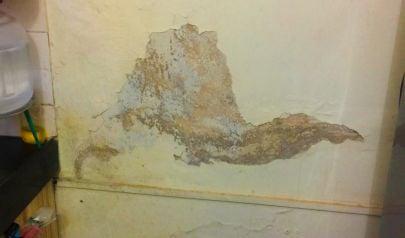
Water entering a home can quickly influence the indoor environment. Whether the source is a plumbing issue, an appliance leak, or moisture entering from outside, water does not remain confined to the area where it first appears. Materials inside the home begin absorbing moisture, and humidity levels can shift as water moves through flooring, drywall, and other surfaces.
Homes in Bellevue experience a range of moisture conditions throughout the year. Rainfall, plumbing systems, and daily household activities can all affect how moisture behaves inside a property. Indoor air quality inspections performed by AdvantaClean of the Eastside frequently evaluate how humidity levels, ventilation patterns, and moisture movement influence indoor environments after water enters the home.
In many cases, the first signs of water damage appear subtly. A slight discoloration on drywall, damp flooring, or an unusual odor may signal that moisture has been present longer than expected. Identifying these conditions early helps limit the impact water can have on the home’s environment.
How Moisture Moves Through a Home After Water Damage
Water behaves differently depending on where it enters the home. When moisture reaches structural materials, it can spread through small gaps, seams, and porous surfaces. Flooring systems, insulation, drywall, and framing can all absorb moisture, allowing water to travel beyond the source.
Inside many homes, water follows pathways created by gravity and building materials. A leak beneath a kitchen sink may allow moisture to move into cabinetry and flooring, while water entering an upstairs bathroom can travel through ceiling cavities before becoming visible in rooms below.
Humidity also plays a role in how water damage affects the indoor environment. As moisture evaporates from damp materials, humidity levels inside the home can rise. When humidity remains elevated, surfaces may stay damp longer, contributing to conditions that affect indoor air quality.
Mold and moisture inspections frequently identify these environmental shifts during evaluations of homes after a water event. Moisture readings, airflow conditions, and humidity levels are examined together to understand how water has influenced the indoor environment.
Restoring Balance After a Water Event
Addressing water damage involves more than removing visible water. Stabilizing the indoor environment requires reducing excess humidity and allowing damp materials to dry properly. Controlling airflow and moisture levels helps return the home to stable indoor conditions.
Moisture control efforts typically focus on areas where water has affected building materials. Flooring systems, drywall, insulation, and cabinetry may require drying before the home environment returns to normal. Monitoring humidity levels during this process helps ensure moisture does not remain trapped inside structural materials.
Indoor air quality inspections often evaluate how moisture conditions influence airflow and humidity throughout the home. When humidity levels remain elevated, the indoor environment can shift in ways that affect both comfort and building materials. During these inspections, AdvantaClean of the Eastside often evaluates how moisture conditions, ventilation patterns, and humidity levels are interacting inside Bellevue homes after a water event.
Understanding how moisture behaves after water intrusion helps guide the recovery process. Evaluating humidity levels, airflow patterns, and moisture conditions throughout the home helps determine how indoor environments can return to balanced conditions once excess moisture has been removed.
AdvantaClean of the Eastside, WA
(425) 649-0600
https://share.google/CC4i4hXrse1a2Vxqj