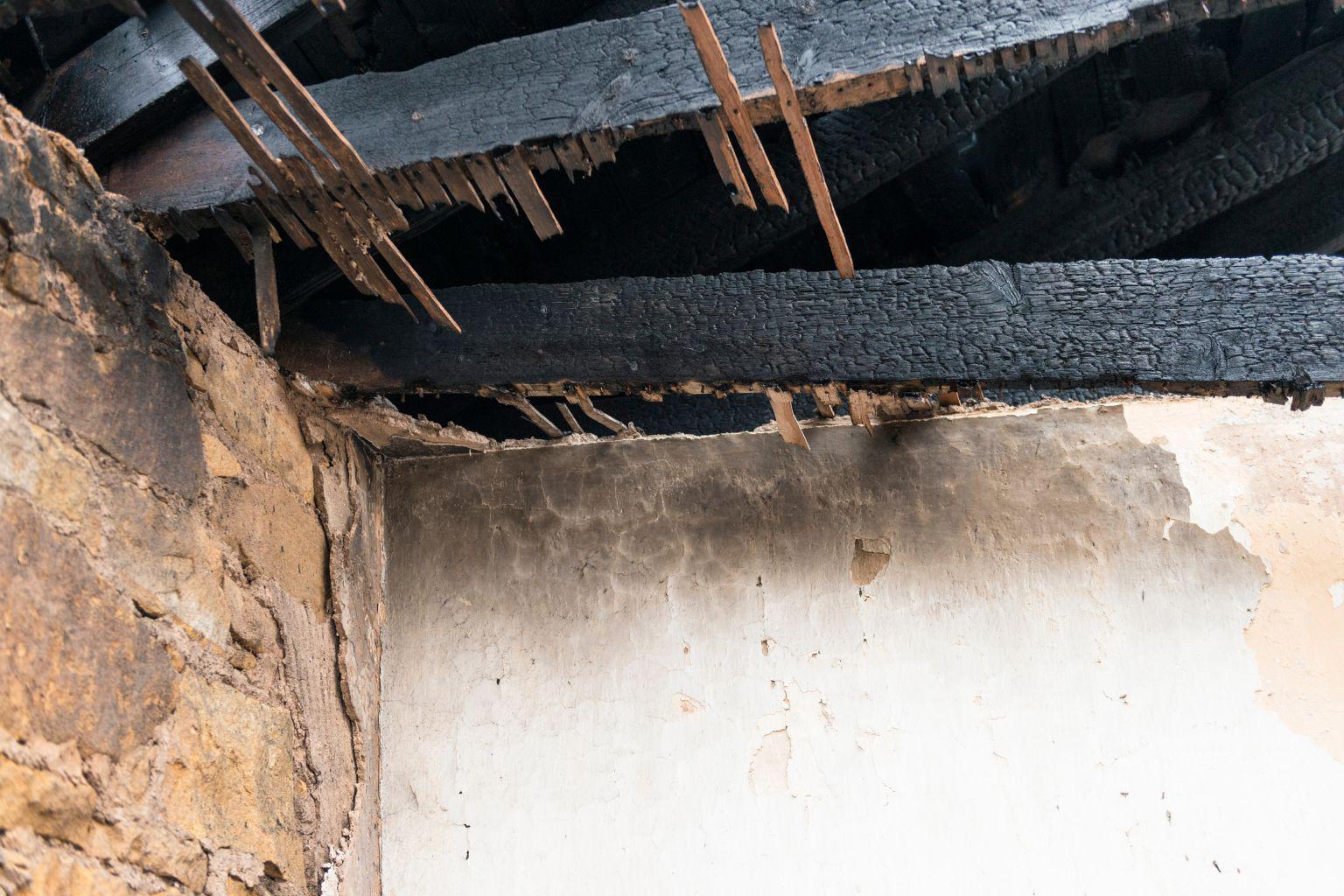
A strange period follows a house fire when everything looks like it should be thrown away.
Cabinets may be coated with residue. Furniture smells like smoke. You may see wet insulation or drywall. Belongings have been moved around during the emergency, and the fastest route back to normal life seems obvious: clear out the damaged material and start over.
Resist the urge to make every disposal decision at once.
That doesn’t mean keeping items that are obviously destroyed indefinitely. It means recognizing that fire restoration involves assessment, documentation, cleaning decisions, water damage mitigation, and repair planning, and that these pieces are easier to manage when the property hasn’t been stripped before anyone establishes what happened.
First, Establish That the Property Is Safe to Enter
Fire can affect electrical systems, structural components, ceilings, flooring, and other parts of a building. Emergency authorities or qualified professionals may restrict access after a significant incident.
Follow those restrictions.
A family photograph or insurance document isn’t worth entering an unsafe room.
Once access is permitted, the restoration conversation can begin.
Documentation Has Value Before Things Move
Take photographs of affected rooms and belongings when safe to do so.
Wide photos help establish the room’s overall condition. Closer images can document particular belongings or materials. If insurance is involved, the carrier may also have instructions about what it wants documented before disposal or repair.
This is practical recordkeeping, not an exercise in photographing every soot particle in the house.
The objective is to preserve useful information before cleanup changes the scene.
Smoke Damage Doesn’t Follow the Burn Line
The visibly burned portion of a room is an obvious restoration target.
Smoke can be more difficult to map.
AdvantaClean of Fairfield and Mason has documented a Fairfield fire project in which smoke and odor had reached insulation, wall cavities, attic areas, and duct components beyond the most obvious exposed surfaces. The remediation plan included removing affected materials and cleaning concealed spaces.
The takeaway for Hamilton homeowners isn’t that every fire will produce identical damage. It is that the absence of flames in a room doesn’t automatically mean smoke stayed out of it.
A proper assessment looks at the fire’s effects rather than assuming the cleanup boundary matches the burn boundary.
Suppression Water Creates a Second Restoration Track
Firefighters use water because controlling the fire comes first.
Once the emergency is over, that water becomes part of the property-damage picture. Wall materials, flooring, insulation, and framing can become saturated during suppression.
AdvantaClean of Fairfield and Mason describes post-fire restoration as including water extraction and structural drying where firefighting water has affected the building.
This combination can make a fire loss especially complicated. Smoke residue requires one kind of attention. Wet building materials require another. Burned materials may need removal. Odor can remain even after the most dramatic debris is gone.
Good sequencing matters.
Salvage Isn’t the Same as Keeping Everything
Homeowners are often caught between two emotional extremes after a fire.
One says, “Throw it all away.”
The other says, “We have to save everything.”
Neither is a useful universal rule.
Some contents and building materials may be candidates for cleaning or restoration. Others may be too severely damaged. Material type, degree of exposure, condition, and the nature of the residue all influence that decision.
Making those decisions deliberately can prevent unnecessary disposal without creating unrealistic expectations about severely damaged property.
Repairs Should Come After the Damage Is Understood
New drywall and paint can make a room feel as though life is moving forward again.
But repair work makes the most sense after addressing smoke residue, damaged materials, odor sources, and moisture conditions.
Otherwise, new finishes can conceal unfinished restoration work.
AdvantaClean of Fairfield and Mason provides fire damage restoration, water damage and mold services in the region. More information about the franchise is available through the AdvantaClean of Fairfield and Mason website.
A house fire creates plenty of pressure to make fast decisions. Some decisions should be made quickly: securing the property, following safety instructions and stopping additional damage where possible.
Others benefit from a little more information.
Before a large-scale cleanout begins, give the property a chance to be assessed.
Hamilton property owners dealing with fire, smoke, soot, odor, or water left from firefighting can call (513) 810-5343 to reach AdvantaClean of Fairfield and Mason. A restoration plan can help separate what needs immediate removal from what deserves a closer evaluation first.
AdvantaClean of Fairfield and Mason
(513) 810-5343
https://g.co/kgs/9Mts4yE