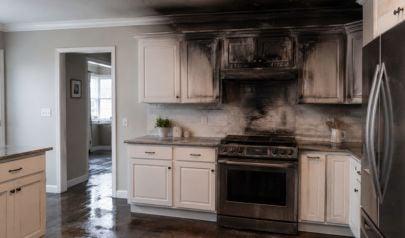
Let me be honest: fire damage restoration is one of the most complicated jobs out there because fire causes several types of damage at once. There’s structural damage from the flames, smoke and soot that get into materials far from the fire, and water damage from putting the fire out, which can be significant. Each of these problems needs a different solution.
If you’re a homeowner in Fairfield or Mason dealing with fire damage—whether it was a kitchen fire or something more serious knowing the steps of restoration helps you ask the right questions and make sure the work is being done properly.
The Scope Is Bigger Than You Think
The area you see burned is never the whole story with fire damage. Smoke and soot can travel in unexpected ways, moving through every gap, crack, and duct in your home. Soot settles on surfaces far from where the fire started, and it’s acidic. On metal, this can cause corrosion in just a few days. On painted surfaces, it can start to etch. In fabrics and other porous materials, odors get trapped deep inside.
This is why fire damage restoration can't be handled solely with that. That’s why you can’t fix fire damage with just a surface cleaning. Even if soot looks like it’s been wiped away, it may have already started to damage what’s underneath. Odors that seem to disappear often return when it gets warm or humid because the odor is still trapped in the materials. Newer construction in Mason's subdivisions with more synthetic materials, and older builds in Fairfield and Hamilton with wood lath, plaster, and older HVAC systems. Each burns and absorbs smoke differently, and the restoration approach has to account for that.
Structural Assessment Comes First
Before any cleaning or repairs start, it’s important to check if the structure is safe. Sometimes this just means a quick look at the framing and roof, but if the fire was severe or affected load-bearing parts, a structural engineer may need to inspect it.
During this stage, restoration crews work with your insurance adjuster. They document what can be saved, what needs to be replaced, and what cleaning is needed, using photos, moisture readings, and material checks. This record helps you with your insurance claim and sets clear expectations for the finished job.
The Cleaning Process Goes Way Beyond Wiping Walls
Cleaning up after fire and smoke damage takes special techniques, depending on the surface and the kind of soot. Dry soot from paper or wood fires is cleaned differently than the thick, sticky soot from things like carpet, insulation foam, or plastic. Kitchen fires leave behind protein residue, which is almost invisible but has a strong smell and needs a different cleaning approach.
First, loose soot is removed with a HEPA vacuum to avoid smearing. Then, depending on the material, technicians use special sponges or wet-cleaning methods. Air ducts are also cleaned, since smoke can travel through the HVAC system and re-contaminate your home if ignored. For odors trapped in materials that can’t be fully cleaned or replaced, thermal fogging or ozone treatment is used to neutralize the smell.
This work is hands-on and takes a lot of effort. It requires trained technicians who know how fire residue works and can tell what can be saved and what needs to be replaced.
Water Damage From Suppression Gets Overlooked Too Often
Fire hoses and indoor sprinkler systems use a lot of water very quickly. In a house fire, water damage can be just as bad—or even worse—than the fire damage, especially on lower floors where water seeps down. Floors, walls, insulation, and personal belongings all get soaked during firefighting.
That water needs to be removed, and the area dried out quickly, just like after a flood. Mold can start growing just as fast, even if the water came from firefighting. In Butler County’s humid summers, mold can appear in as little as 48 hours if moisture is left behind.
A full-service restoration company takes care of both fire and water damage, so you don’t have to hire separate contractors. AdvantaClean of Fairfield and Mason handles both, making the whole process easier for homeowners who already have a lot on their plate.
Working With Your Insurance Company
Most homeowner insurance covers fire damage, but the claims process can be tricky. Your insurance company will send an adjuster to assess the damage, and their report determines how much you get paid. Working with a restoration company that keeps good records and talks clearly with adjusters can help make sure your claim covers everything it should.
Don’t throw away any damaged items before they’ve been documented, even if they look beyond repair. Take photos of everything before moving anything. This record, along with your contractor’s assessment, gives you the best chance of a smooth claims process.
Getting Your Home Back and What a Realistic Timeline Looks Like
How long fire damage restoration takes depends on how much needs to be done. A small kitchen fire in Mason might take about a week for cleaning, odor removal, and minor repairs. Bigger fires can mean several weeks of cleanup before rebuilding starts. Cleaning and drying always come first, since you don’t want to rebuild over soot or moisture.
If you’re dealing with fire damage in Fairfield, Hamilton, or anywhere in Butler County, AdvantaClean of Fairfield and Mason can guide you through the assessment and explain what to expect for your situation. Getting the right information early makes every decision that follows much easier.
Talk to Someone Who Can Give You Real Answers
You don’t have to handle this by yourself. Call the team, explain what happened, and let them look at the damage before you decide what to do next. The first conversation is free and will help you understand your situation much better. Call now! AdvantaClean of Fairfield and Mason | Phone: (513) 810-5343
AdvantaClean of Fairfield and Mason
(513) 810-5343