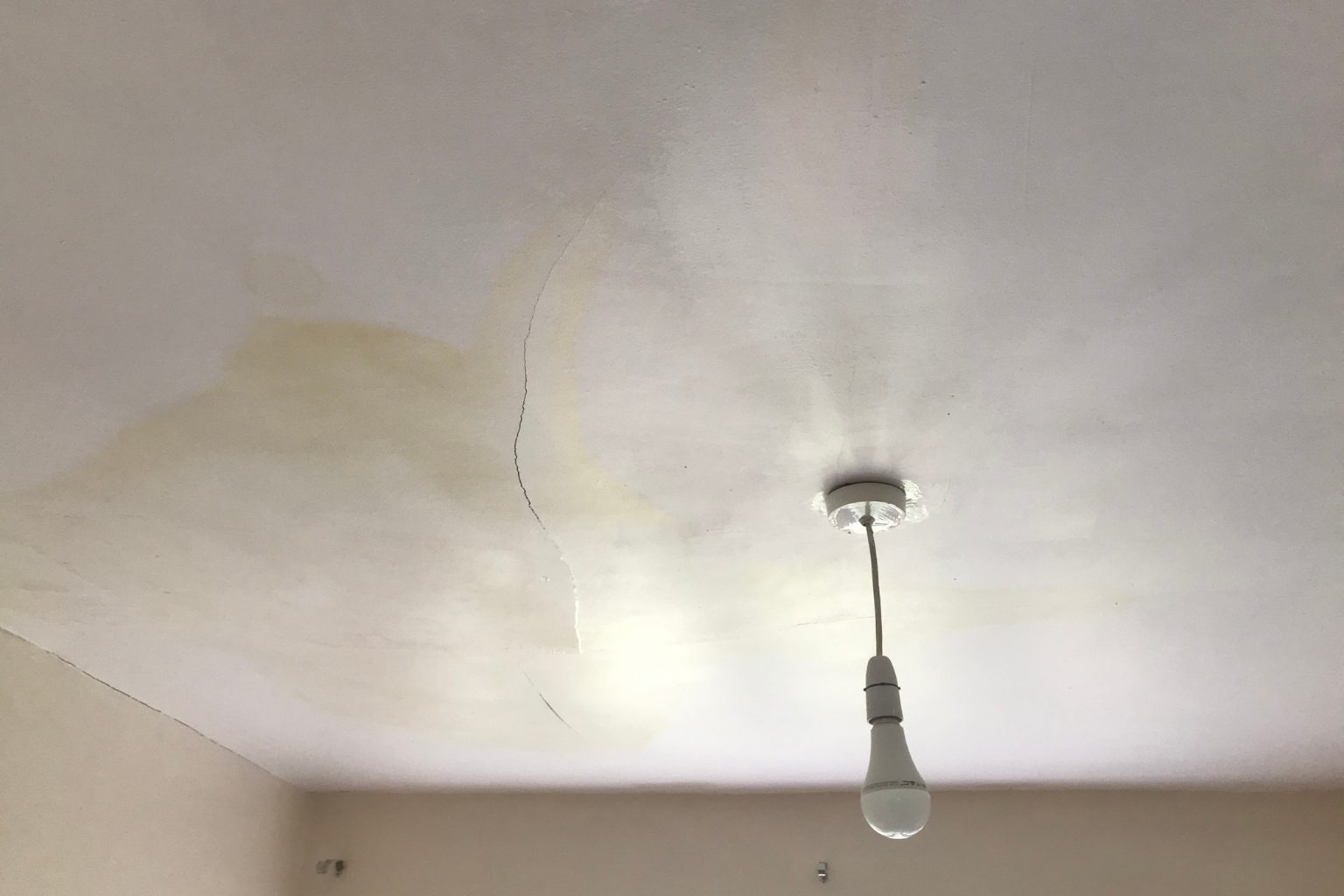
If you’re in water right now, do the following: if it’s safe, shut off the water at the valve. Go to the circuit breaker and turn off the power to the damp area. Then contact a restoration company. All the other things, such as filling in the insurance forms and answering questions regarding what may be saved, can be dealt with later until those three actions have been carried out.
In most of the homes in Fairfield, water damage doesn’t come in the form of a sudden flood. Instead, it shows up as a supply line giving way behind the washing machine, a water heater failing overnight, or a sump pump stopping during heavy rain. Although the Great Miami River flows through Hamilton, which is adjacent to Fairfield, and this area is used to high water levels, the kind of jobs that fill the restoration schedule are generally smaller and more directly related to the home — for example, a pipe bursting in January, a slow leak underneath the kitchen sink, or a basement becoming wet after the melting of snow and in the spring rains.
The first hour matters more than the first day.
Water spreads quickly and unevenly. It rises through drywall, flows under the flooring, and ends up in the framing that isn’t visible. What you do in the first hour determines how much of your house is affected. Start by turning off the water at the main shutoff valve, which in most houses is located where the water pipe enters or near the meter. If the water source is outside—for example, due to a storm or rising groundwater—do not wade into it. Floodwater may contain contaminants and conceal electrical dangers, and nothing you own is worth taking that risk.
Shift as much as you can to dry ground, beginning with the electronics, the important documents, and any items that cannot be replaced. Don’t use a domestic vacuum cleaner on standing water, and don’t turn on any ceiling lights in a wet room. Take photographs of everything before you move it, since your insurance adjuster will need to know how far the water spread and what it contacted, and photos taken early are more valuable than a reliable memory later.
Dry to the touch is not the same as dry.
What surprises most houseowners is that a carpet can seem dry even though the underlayment is still retaining water. Drywall can appear undamaged even if the back side is promoting mold growth. Restoration work begins with the use of moisture meters and, in some cases, thermal imaging since the damage that is not visible has a greater impact on the outcome than the damage that can be seen.
Drying is a controlled process and not merely a matter of opening the windows and hoping. Air movers push dry air over wet surfaces, while dehumidifiers remove moisture from the air so it can be removed. In summer in Ohio, opening windows may actually delay the drying process because the outside air is already saturated with humidity. A professional team measures moisture content in the walls, floors and framing over several days and adjusts the equipment until readings return to normal; they don’t consider the job complete until they have taken measurements and confirmed the material is dry.
Why some materials have to go
Homeowners sometimes wonder why it is necessary to remove drywall rather than just trying to dry it out. The reason is practical: drywall that has absorbed water loses its structural integrity and generally doesn’t dry properly, the paper layer behind it being an excellent food source for mould. Saturated insulation usually can’t be dried in place either. It is not misleading to have to remove things that can’t be saved; what is meant is the difference between a house that is actually dry and one in which a problem develops behind the walls six months later.
The company’s case studies include a project in Hamilton involving basement water damage and mould, illustrating what happens when a slow leak goes unnoticed for a long time and becomes two problems rather than one.
Winter is pipe season in Butler County.
In Hamilton, January temperatures generally range in the low 20s, and it is normal for periods to drop into single digits during the winter. Pipes in exterior walls, crawl spaces and unheated garages are the ones that freeze, and they usually burst when the ice thaws rather than when they are completely frozen. When you’re travelling during the winter, keep the heat on at a steady level rather than lowering it to save a little money. During severe freezes, open the cabinet doors under sinks on exterior walls, and find your main water shutoff before you need it at two in the morning. Ready.gov’s winter weather advice includes a reliable checklist for preventing pipes from freezing.
If prevention doesn’t work, speed is everything; a burst pipe can release a huge amount of water in a single night, and each hour it runs is another hour it migrates into the drywall, flooring, and framing. A local team that can set up drying equipment the same day will save more of your home than any item you can buy at a hardware store. AdvantaClean of Fairfield and Mason serves Fairfield, Mason, Hamilton, and Fairfield Township.
Fast and calm action is required when dealing with water damage. Stop the source, protect yourself from electrical hazards, document what happened, and then call a professional to ensure the house is fully dry. If you do all of these things, most water incidents will be an annoying experience rather than requiring a renovation.
If water is in your home now, or you are still dealing with damage from an earlier leak, AdvantaClean of Fairfield and Mason is available around the clock. Call (513) 810-5343. You can also find the business on its Google Business Profile.
AdvantaClean of Fairfield and Mason
(513) 810-5343
https://g.co/kgs/9Mts4yE