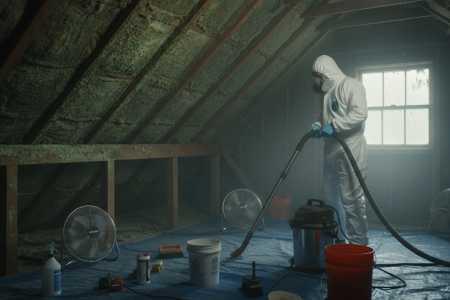
Attic mold is common in homes across South Florida. Warm air, trapped moisture and poor ventilation create an environment where spores thrive. Many homeowners do not discover the problem until there is a strong odor, ceiling stains or visible growth along rafters. The longer it stays hidden, the more damage it causes.
This guide explains why attic mold forms, how it affects your home and what a professional remediation process includes. You will also find helpful internal links to related resources that cover water damage, moisture issues and mold prevention in other areas of the home.
Why mold forms in attics
Attics often trap heat and moisture. When airflow is limited, humidity builds up and settles on wood, insulation and roof decking. Common triggers include:
-
Roof leaks after storms
-
Poor attic ventilation
-
Dryer or bathroom exhaust fans that vent into the attic
-
High humidity that enters through gaps or insulation voids
-
Past water damage that never dried correctly
If the home recently experienced heavy storms, the same conditions described in your article on water damage restoration in Plantation can also contribute to attic moisture:
Why attic mold is dangerous for your home
Mold weakens structural materials when left untreated. Attics contain many vulnerable components, including wooden rafters, roof sheathing and insulation. Ongoing growth can lead to: Rotting wood, declining indoor air quality, spread into living spaces, odors that travel through vents, higher energy costs due to damaged insulation
How moisture travels from the attic into the rest of the home
Moisture does not stay isolated. Warm air rises through ceilings and enters the attic. When it cools, condensation forms on cold surfaces. That moisture drips down or soaks into insulation. Over time, this raises humidity in the entire home.
Your article on moisture control in Davie shows how humidity affects indoor materials and living areas:
Why attic mold should not be removed without professional help
Attic spaces are difficult to treat safely. Incorrect DIY cleaning spreads spores into living areas and fails to remove moisture sources. Professionals are trained to:
-
Identify hidden moisture pathways
-
Inspect roof systems for leaks
-
Remove contaminated insulation
-
Treat wood framing
-
Address ventilation issues
Many attics require specialized containment and dry-out procedures, similar to the controlled work described in your carpet water extraction in Coconut Creek article:
What to expect during a professional attic mold remediation
A standard attic remediation includes several precise steps:
Inspection and moisture mapping
The inspector evaluates the roof, insulation, ventilation and leak points. Moisture meters and infrared imaging help reveal hidden wet spots.
Containment setup
Professionals build containment barriers to stop mold from spreading into the home during removal.
Air filtration
HEPA machines clean airborne spores while the remediation takes place.
Removal of contaminated insulation
Wet or contaminated insulation is removed and disposed of safely.
Surface cleaning and treatment
Wood surfaces are scrubbed and treated with professional solutions that stop regrowth.
Ventilation correction
A long-term solution includes sealing gaps, improving airflow and addressing any roof issues.
FAQ: Attic mold questions homeowners ask
Why does my attic smell musty even if I do not see mold?
Moisture trapped in insulation or inaccessible roof areas often causes odors before growth is visible.
How fast does attic mold spread?
Spread depends on temperature, humidity and material saturation. Warm and wet conditions speed up growth.
Will attic mold reach my living areas?
Air movement can pull spores down through openings and HVAC pathways. Proper containment and ventilation reduce this risk.
Do I need to replace my roof if I have attic mold?
Not always. Mold often comes from ventilation or moisture issues. A professional inspection determines whether roof material repairs are needed.
Is attic mold covered by insurance?
Coverage varies. Insurers often cover mold caused by sudden water events but exclude mold from long-term humidity problems.
Schedule attic mold remediation with AdvantaClean
Attic mold spreads quickly when moisture stays hidden. AdvantaClean provides inspections, removal, ventilation corrections and long-term moisture control to protect your home.
If you want an attic evaluation or need help with mold removal, our team is ready: https://g.co/kgs/hSUTUAL