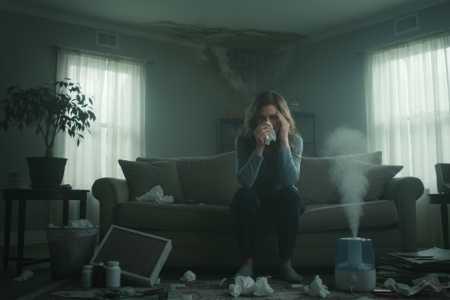
Have you been experiencing persistent headaches, fatigue, or respiratory issues that seem to vanish when you leave your Fort Lauderdale home? You might be suffering from more than just seasonal allergies. A hidden danger could be lurking within your walls, air ducts, and floors: a phenomenon known as Sick Building Syndrome (SBS). Unlike specific illnesses with clear causes, SBS encompasses a range of nonspecific symptoms that occupants experience while spending time in a particular building. In humid South Florida environments like Fort Lauderdale, Hollywood, and Plantation, the risk factors for SBS are significantly amplified. This comprehensive guide will help you identify the signs, uncover the hidden culprits, and take actionable steps to reclaim your home's health and safety.
What Is Sick Building Syndrome? The Invisible Indoor Threat
Sick Building Syndrome is a medical condition where people in a building suffer from symptoms of illness or feel unwell for no apparent reason. The symptoms tend to increase in severity the longer one stays in the building and improve or disappear after leaving. It's crucial to distinguish SBS from Building-Related Illness (BRI), where symptoms are more specific and can be directly linked to identifiable airborne building contaminants, like Legionnaire's disease.
For residents in Broward County, the unique climate creates a perfect storm for SBS. High humidity, frequent rain, and warm temperatures foster environments where biological contaminants like mold, mildew, and dust mites thrive. When a building's ventilation system fails to properly manage these elements or becomes contaminated itself, it can circulate irritants throughout your entire living space, turning your sanctuary into a source of sickness.
Common Symptoms: Is Your Home the Culprit?
The symptoms of Sick Building Syndrome are often vague and can be mistaken for common colds, stress, or allergies. However, a key indicator is a pattern linked to your time spent at home. Be vigilant for these signs affecting you or your family members:
-
Respiratory and nasal issues: Persistent coughing, sneezing, throat irritation, shortness of breath, sinus congestion, and a runny nose.
-
Neurological and general discomfort: Headaches, dizziness, nausea, difficulty concentrating, and unusual fatigue or lethargy.
-
Skin and sensory irritations: Dry or itchy skin, rashes, and eye irritation (itching, dryness, or watering).
-
Heightened sensitivity: A noticeable increase in asthma attacks or allergic reactions while indoors.
If multiple occupants in the home report similar issues, it's a strong red flag that points to an environmental cause within the building itself, rather than an individual health problem.
The Hidden Culprits: Major Causes of Sick Building Syndrome in South Florida Homes
Understanding the root causes is the first step toward remediation. In our region, the following factors are frequently to blame.
Biological Contaminants: Mold, Dust Mites, and More
This is the primary villain in the Fort Lauderdale area. Mold and mildew grow prolifically on damp surfaces, releasing spores and microbial volatile organic compounds (mVOCs) into the air. These can cause severe allergic reactions and toxic effects. A musty smell in your house is often the first, and sometimes only, sign of a hidden mold problem. Similarly, dust mites thrive in high humidity, and their waste particles are potent allergens. Attic mold remediation is a common need, as attics are prone to condensation and leakage, spreading contaminants into the main living space through air circulation. The dangers are real, and understanding if black mold is a serious problem in Plantation, FL homes is critical for every homeowner, as some species can produce mycotoxins.
Poor Indoor Air Quality and Inadequate Ventilation
Modern homes are built to be energy-efficient, which often means they are tightly sealed. Without proper ventilation, indoor pollutants become trapped and concentrated. Contaminants from household cleaners, air fresheners, off-gassing from furniture or carpets, and even carbon monoxide from garages can build up. Furthermore, if your home's air ducts are contaminated with mold, dust, or pest debris, the HVAC system becomes a delivery mechanism for SBS symptoms, circulating pollutants to every room.
Chemical Contaminants From Indoor and Outdoor Sources
Volatile Organic Compounds (VOCs) are emitted as gases from thousands of everyday products, including paints, varnishes, cleaning supplies, and even new flooring or cabinets. In a poorly ventilated home, VOC levels can be consistently ten times higher indoors than outdoors. Pesticides, disinfectants, and ambient pollution from traffic can also seep into the home, adding to the chemical burden on your respiratory system.
Previous Water Damage: The Silent Foundation of SBS
One of the most significant and overlooked causes of SBS is past water damage. Whether from a major flood, a persistent plumbing leak, or a hidden roof leak, water intrusion creates the perfect environment for biological growth and material degradation. It's essential to know what to do immediately after a flood in your Pompano Beach property to prevent long-term issues. However, damage isn't always obvious. Homeowners should be aware of the 5 subtle signs of hidden water damage in your Hollywood home, such as peeling paint, warped floors, or a sudden increase in utility bills. Unresolved moisture leads to mold growth inside walls and under floors, a primary trigger for SBS symptoms. Effective water damage repairs that protect your Cooper City home are not just about fixing a leak; they are about preventing a future health hazard. For businesses, the stakes and processes are different, which is why a guide to commercial water damage restoration in Dania Beach is vital for protecting employees and customers.
Fire Damage and Lingering Soot
While less common, the aftermath of a fire can contribute to SBS long after the flames are out. Soot is a serious problem following a Fort Lauderdale fire damage event because it is an ultrafine, acidic particulate that can penetrate deep into the lungs and HVAC systems. It carries toxic chemicals and can cause persistent respiratory irritation and other systemic health issues if not professionally remediated.
How to Identify and Diagnose Sick Building Syndrome in Your Home
Diagnosing SBS involves a process of elimination and investigation. Start by keeping a symptom diary, noting when and where symptoms occur and when they subside. The next step is a thorough visual inspection for signs of moisture, leaks, discoloration, or mold growth. Pay special attention to bathrooms, basements, attics, and under sinks.
For a more definitive diagnosis, consider professional testing. Indoor air quality tests can measure levels of mold spores, VOCs, formaldehyde, and particulate matter. Surface sampling can identify specific mold species. Importantly, a professional assessment can determine if the mold removal in Weston, Florida homes is not instantaneous, but rather a detailed process of containment, removal, and restoration to be effective.
Solutions and Prevention: How to Reclaim a Healthy Home
Creating a healthy indoor environment requires a multi-pronged approach targeting moisture, ventilation, and contamination.
Control Humidity and Moisture
This is the most critical step in South Florida. Use dehumidifiers to keep indoor relative humidity between 30% and 50%. Immediately repair any plumbing leaks, and ensure your roof, windows, and foundation are properly sealed. Improve drainage around your home to keep water away from the foundation.
Improve Ventilation and Air Filtration
Open windows when weather permits to dilute indoor pollutants. Ensure your HVAC system is correctly sized and maintained, with regular filter changes. Consider upgrading to a HEPA filter for your HVAC or using standalone HEPA air purifiers in bedrooms and main living areas to capture fine particles and allergens.
Professional Remediation: When to Call the Experts
When the source of contamination is widespread or hidden, professional intervention is necessary and cost-effective for your health.
-
For mold: DIY cleaning on porous surfaces is often insufficient and can spread spores. Professional mold removal involves containment, advanced filtration (HEPA vacuuming and air scrubbers), safe removal of contaminated materials, and treatment of affected areas to prevent recurrence.
-
For water damage: Beyond drying, professional restoration addresses secondary damage like mold growth and structural weakening, ensuring repairs are comprehensive.
-
For air ducts: Professional duct cleaning removes accumulated dust, debris, and microbial growth, preventing your HVAC system from recirculating pollutants.
-
For soot and fire residues: Specialized cleaning techniques are required to remove acidic soot particles from surfaces and the air.
Frequently Asked Questions About Sick Building Syndrome
Can Sick Building Syndrome cause long-term health problems?
While SBS symptoms are typically acute and subside after leaving the building, prolonged exposure to certain biological contaminants like mold can lead to chronic conditions, including persistent asthma, hypersensitivity pneumonitis, or weakened immune function. Addressing the root cause is essential for long-term health.
I don't see any mold, but I have symptoms. Could I still have a mold problem?
Absolutely. Mold often grows in hidden places like behind drywall, under flooring, inside ceiling cavities, or in ductwork. The musty smell in a house is a classic indicator of hidden mold growth, even when it's not visible.
How long does it take to recover from Sick Building Syndrome symptoms?
Once the source of contamination is removed and air quality improves, many people see a reduction in symptoms within days or weeks. However, recovery time can vary based on the individual's sensitivity and the duration of exposure.
Will airing out my house fix Sick Building Syndrome?
Ventilation helps dilute pollutants and is a good first step, but it will not solve the underlying problem if there is an active source of contamination like a mold colony or contaminated ductwork. The source must be identified and remediated.
Is professional testing for SBS worth the cost?
If you are experiencing persistent, unexplained symptoms, professional testing provides definitive answers. It can identify specific pollutants and their concentrations, allowing for targeted remediation. This can save money and time compared to guessing at solutions and can provide documentation if needed.
Take Action for a healthier home today
Sick Building Syndrome is more than an inconvenience; it's a sign that your home's environment is compromising your health. The vague symptoms—fatigue, headaches, respiratory issues—should not be your new normal. In the humid, climate-prone areas of Fort Lauderdale, Plantation, Hollywood, and across Broward County, ignoring these signs can allow moisture, mold, and poor air quality to take a greater toll on your property and your family's well-being.
You don't have to diagnose or solve this problem alone. The experts at AdvantaClean of Fort Lauderdale are specially trained to identify the hidden sources of indoor pollution that cause Sick Building Syndrome. We use advanced detection tools and proven remediation methods to tackle mold, water damage, contaminated air ducts, and fire soot residues at their source.
If your house is making you sick, contact AdvantaClean of Fort Lauderdale today. Let our local professionals provide you with a comprehensive indoor air quality assessment and a clear path to a cleaner, healthier, and safer home. Schedule your consultation now—your health is worth it.