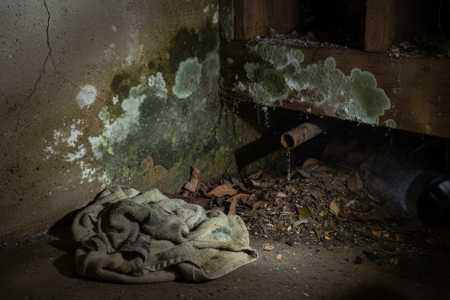
A musty smell inside a home is never just “an old house scent.” It’s almost always a sign that moisture, hidden growth, or deteriorating materials are affecting indoor air quality. While some odors come from harmless sources, many point to mold or mildew trapped behind walls, under flooring, or inside HVAC components. Understanding where these smells originate helps you respond before they turn into structural or health issues.
Below is a clear breakdown of the most common sources of musty odors and what they mean for your home.
1. Mold thriving in damp, hidden spaces
The most common cause of a musty smell is mold growing where moisture lingers. Bathrooms, basements, utility rooms, and anywhere moisture is trapped behind surfaces are prime areas.
These odors typically develop after:
-
Slow plumbing leaks
-
High humidity
-
Flooding that wasn’t dried correctly
-
Condensation in poorly ventilated rooms
If you want to understand how humidity itself encourages mold growth, our detailed breakdown of high humidity and mold formation provides a helpful reference inside this article on how humidity affects homes.
Mold’s odor comes from MVOCs (Microbial Volatile Organic Compounds), which become noticeable long before mold is visible. If the smell intensifies after rain or when the HVAC system runs, mold is a strong possibility.
2. Mildew on surfaces with poor airflow
While mold grows deep within materials, mildew sits more on the surface. It tends to form on:
-
Shower curtains
-
Window tracks
-
Painted walls
-
Closets with little ventilation
Mildew has a lighter, but still unpleasant, stale smell. Although it’s less aggressive than mold, it still signals a moisture imbalance that needs attention. Small patches wipe away easily, but persistent mildew often means humidity levels are too high or a hidden moisture source exists.
3. Lingering moisture after flooding or leaks
Even once a leak is repaired, moisture trapped inside porous materials can keep releasing odor for weeks — or years — if not dried correctly.
Examples include:
-
Wet subfloors under carpets
-
Water-soaked insulation inside walls
-
Damp drywall
-
Crawl spaces that never fully dry
If your home has ever had water damage, odors can reappear long after you think the issue was solved. Our guide on water damage restoration shows why fast, proper drying is essential for preventing long-term musty smells.
Homes that experienced flooding should also review insights from our article on carpet water extraction, which explains why moisture trapped beneath flooring is one of the most common sources of persistent odors.
4. HVAC systems spreading odor throughout the home
When musty air travels through a central unit, it means the odor source is either:
-
Inside the ductwork
-
Around the air handler
-
In the evaporator coil area
-
Near a clogged condensate line
Moisture inside HVAC components creates an ideal micro-environment for microbial growth. If the smell worsens when the system switches on, the ducts or coil are likely the cause.
This issue is closely related to the challenges discussed in our article on moisture control in Davie, where ventilation and indoor humidity play key roles in preventing mold in enclosed spaces.
5. Odors rising from damp crawl spaces or basements
Crawl spaces and basements often hold:
-
Moisture rising from soil
-
Condensation from temperature differences
-
Stagnant air with poor ventilation
When these spaces develop mold, it doesn’t stay contained. Odors rise through gaps in flooring, electrical outlets, and air pathways. Even if the rest of the home is clean and well-maintained, a musty basement can affect the entire property.
6. Contaminated materials after long-term dampness
Sometimes odors come from materials that have absorbed moisture repeatedly over months or years. These include:
-
Cardboard boxes stored in humid rooms
-
Drapes or upholstery absorbing moisture
-
Wood furniture swelling and releasing odor
-
Insulation fibers holding old water
Even without visible mold, these surfaces can produce persistent musty smells.
7. When odors mean something more serious
Certain musty smells indicate deeper issues, such as:
-
Structural wood decay
-
Chronic humidity buildup
-
Mold spreading behind walls and ceilings
-
Moisture intrusion from storms or roof damage
Storm-related moisture is a common cause. Articles like our storm damage restoration overview explain how even minor wind-driven rain can lead to hidden moisture pockets that cause long-term odors.
How to track the source of a musty smell
You can narrow down the source by checking:
-
Rooms with the strongest odor
-
Areas prone to leaks
-
HVAC components
-
Flooring edges and baseboards
-
Storage areas with limited airflow
If the smell returns after cleaning or improves temporarily but then reappears, that’s a sign the source is deeper than surface-level mildew.
When to call a professional
A musty smell that doesn’t disappear within 48–72 hours of cleaning and drying usually points to deeper moisture issues that need professional assessment. This is especially important if:
-
You’ve recently fixed a water leak
-
The smell is stronger after storms
-
It spreads when the HVAC system runs
-
You see dark spots, stains, or warping
Professionals use moisture meters, infrared cameras, and inspection tools to identify hidden mold growth and trapped moisture — far beyond what surface cleaning can reach.
FAQ: Musty smells, mold, and hidden moisture
Why does my house smell musty even if I don’t see mold?
Musty odors often come from moisture trapped behind walls, under flooring, or inside HVAC components. Mold can grow in hidden areas long before it becomes visible.
Can a musty smell be dangerous?
Yes. Musty odors are usually caused by mold or mildew, which can affect indoor air quality, trigger allergies, and damage building materials if left untreated.
How long should a musty smell last after cleaning?
If the smell doesn’t fade within two to three days, there’s likely a deeper moisture issue that needs professional inspection.
Will a dehumidifier remove the smell?
A dehumidifier helps control humidity, but it won’t eliminate odors if mold growth or wet materials are the source. It’s a helpful tool but not a full solution.
Could my HVAC system be spreading the odor?
Absolutely. Mold inside ductwork, the air handler, or the evaporator coil can circulate musty air throughout the home. If the smell gets stronger when the system runs, the HVAC is a probable source.
Do I need a professional inspection if I only smell mildew?
If the smell returns repeatedly or worsens after rain or humidity spikes, an inspection is recommended. Persistent odors usually indicate trapped moisture or growth in hidden areas.
A musty smell is your home’s way of signaling that something needs attention. Whether it’s surface mildew, hidden mold, or moisture trapped inside building materials, identifying the root cause early protects the home’s structure and keeps indoor air healthy.
If you need help tracking down a persistent musty odor or want a full moisture and mold assessment, professional inspection and remediation can restore clean, fresh air and peace of mind.