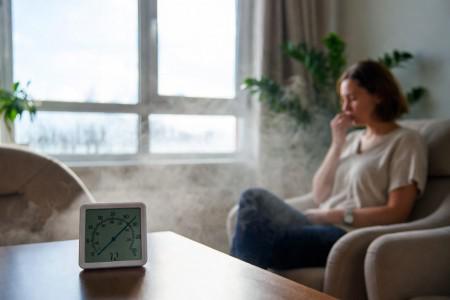
When people think about humidity, they usually complain about frizzy hair, sticky skin, and that uncomfortable feeling of walking through thick air. But high indoor humidity is more than a comfort issue. It is a health issue that many homeowners in Fort Lauderdale, Hollywood, Plantation, and across Broward County never recognize until symptoms appear. The same moisture that makes your home feel clammy can also make you feel tired, congested, and achy without any obvious cause. Understanding the hidden health risks of high indoor humidity could change how you think about your home's air. And more importantly, it could help you protect your family from problems that start silently.
What is considered high indoor humidity
Indoor humidity refers to the amount of water vapor in the air inside your home. It is measured as a percentage of the maximum amount of moisture the air can hold at a given temperature. For human health and home preservation, the ideal range is between 30 and 50 percent. Many experts say 45 to 55 percent is acceptable in warmer climates, but once indoor humidity consistently stays above 60 percent, problems begin.
South Florida's outdoor humidity often exceeds 70 or 80 percent. Without proper air conditioning, ventilation, and dehumidification, indoor levels can easily match outdoor levels. Many homeowners run their AC and assume that is enough. Often it is not, especially if the system is oversized or poorly maintained. The result is a home that feels cool but still holds enough moisture to support dust mites, mold, and other biological triggers.
How high humidity affects your breathing
The air you breathe passes through your nose, throat, and lungs. When that air is loaded with excess moisture, several things happen.
First, high humidity makes the air feel heavy. Your body has to work harder to breathe. People with asthma or chronic obstructive pulmonary disease often notice their symptoms worsen when humidity climbs. The airways constrict in response to the thick air, making breathing feel labored.
Second, humid air provides the perfect environment for dust mites. These microscopic creatures live in bedding, upholstery, and carpet. They feed on dead skin cells and thrive when humidity exceeds 50 percent. Dust mite waste is one of the most common indoor allergens. It triggers sneezing, runny nose, itchy eyes, and asthma attacks. If you wake up congested every morning or feel like your allergies never go away, high humidity could be the reason.
Third, high humidity encourages mold and mildew growth. A musty smell in your house is the most obvious sign of mold or mildew, but invisible growth can also happen behind walls and under floors. Mold releases spores and microbial volatile organic compounds into the air. Inhaling these irritants can cause coughing, wheezing, throat irritation, and nasal congestion. For people with mold allergies or compromised immune systems, the effects can be much more serious.
The unexpected link between humidity and fatigue
Many people complain of feeling tired and sluggish during Florida's humid months. They assume it is the heat or simply the time of year. But high indoor humidity itself can cause fatigue through several mechanisms.
When the air is humid, your body's natural cooling system, sweating, becomes less efficient. Sweat does not evaporate as quickly when the air is already saturated with moisture. Your body works harder to cool itself, raising your heart rate and increasing fatigue. Even if you are just sitting in your living room, your body is expending extra energy just to maintain a normal temperature.
Poor sleep is another factor. High humidity disrupts sleep by making the bedroom feel uncomfortable. You toss and turn, wake up sweaty, and never reach deep, restorative sleep stages. Over time, chronic poor sleep leads to daytime fatigue, irritability, and difficulty concentrating. Many people never connect their exhaustion to the humidity levels in their bedroom.
How high humidity triggers headaches and sinus pressure
Sinus headaches are a common complaint in humid climates. The lining of your sinuses produces mucus to trap particles and keep tissues moist. When the air is too humid, that mucus becomes thicker and more abundant. Sinus passages can become blocked, creating pressure and pain behind your cheekbones, forehead, and eyes.
The combination of mold spores, dust mite waste, and other allergens that flourish in high humidity also triggers inflammatory responses in the nasal passages. Swollen tissues narrow the sinus openings, trapping mucus and creating the perfect environment for sinus infections. What starts as a mild headache can turn into a full sinus infection requiring medical treatment.
People who already suffer from migraines often report that high humidity triggers their attacks. The exact mechanism is not fully understood, but changes in atmospheric conditions, including humidity levels, are known migraine triggers for many sufferers.
The effect of humidity on your skin
You might think high humidity would be good for your skin. After all, dry air cracks and dries out skin. But excessively humid air causes its own set of skin problems.
High humidity increases sweating. Sweat itself is not the problem, but when sweat mixes with oils, dirt, and bacteria on your skin, it can clog pores and cause breakouts. People who rarely get pimples may notice acne flare ups during humid months. Heat rash, also called prickly heat, occurs when sweat ducts become blocked and inflamed. It appears as small red bumps that itch or sting.
Fungal infections thrive in warm, moist environments. Athlete's foot, jock itch, and yeast infections all become more common when humidity is high and skin stays damp. Wearing moisture wicking fabrics, changing out of sweaty clothes promptly, and keeping indoor humidity under control can reduce these risks.
For people with eczema, high humidity can be a double edged sword. Some find their skin improves because it stays hydrated. Others find that sweating and bacterial growth triggered by humidity make their eczema worse. Finding the right humidity balance is key.
How humidity worsens asthma and allergies
Asthma is a chronic condition that inflames and narrows the airways. High indoor humidity makes asthma harder to manage for several reasons.
Dust mites, mold, and cockroaches, three of the most common asthma triggers, all thrive in humid environments. Dust mite populations explode when humidity stays above 50 percent. Mold colonies establish themselves on any damp surface. Cockroaches need water to survive and are drawn to humid homes. Higher exposure to these triggers means more frequent and severe asthma attacks.
Humid air itself can be an irritant. Many people with asthma report that breathing humid air feels like breathing through a wet blanket. The airways narrow in response, leading to coughing, wheezing, and shortness of breath. Using a dehumidifier to bring indoor humidity below 50 percent often provides significant relief.
Children with asthma are especially vulnerable. They spend more time at home and have smaller airways that become obstructed more easily. Attic mold remediation is one example of how hidden moisture problems can affect indoor air quality throughout the home, including in children's bedrooms.
The link between humidity and indoor air pollution
High humidity does more than encourage biological growth. It also affects chemical pollutants in your home.
Formaldehyde is a common indoor pollutant released by pressed wood products, furniture, carpets, and some paints. High humidity causes formaldehyde to off gas at higher rates. The same is true for other volatile organic compounds. When humidity climbs, the chemical burden in your indoor air increases, even without adding new products to your home.
High humidity also traps pollutants close to the ground. Normally, air circulation helps disperse particles and chemicals. But humid air is denser and moves more slowly. Pollutants concentrate in your breathing zone rather than rising and dispersing. You end up inhaling higher concentrations of whatever is in your home's air.
Some people experience multiple chemical sensitivity symptoms like headaches, dizziness, and nausea when humidity levels rise. They may not realize that humidity is the trigger, blaming their symptoms on other factors instead.
Signs your home's humidity is too high
You do not need a hygrometer to know your indoor humidity is high, though a simple device costs very little and provides accurate readings. Your home will show you signs.
Condensation on windows is one of the clearest indicators. If you wake up to water droplets running down your windows, especially single pane windows, indoor humidity is too high. Peeling paint or bubbling wallpaper suggests moisture is migrating through walls. Musty odors mean mold or mildew is growing somewhere. Warped wood floors, sticking doors, and rust on appliances or ductwork all point to excess moisture.
Health symptoms that improve when you leave home and return when you come back are another strong sign. If your family's congestion, headaches, or fatigue clear up after a weekend away, your home's indoor air quality, likely driven by humidity, is the culprit.
The subtle signs of hidden water damage in your Hollywood home often accompany high humidity problems, as moisture finds its way into building cavities and never fully dries.
How to measure and control indoor humidity
A hygrometer costs between ten and fifty dollars and gives you an instant humidity reading. Place it in your main living area and check it throughout the day. Readings consistently above 60 percent mean you need to take action.
Your air conditioner is your first line of defense. It removes moisture as it cools. But if your AC is oversized, it cools the air too quickly without running long enough to extract adequate moisture. You end up with a cool but clammy home. A properly sized AC or a whole home dehumidifier solves this problem.
Portable dehumidifiers work well for individual rooms or apartments. Look for Energy Star rated models sized appropriately for your square footage. Empty the water tank regularly or set up a continuous drain. Run bathroom and kitchen exhaust fans during and after showers and cooking. These activities produce significant moisture that needs to be vented outside, not into your home.
Check for and fix any leaks, no matter how small. A dripping pipe or leaking toilet adds moisture to your home 24 hours a day. Ensure your dryer vents to the outside, and clean the vent regularly. Consider adding ventilation to crawl spaces and attics, which are common sources of humidity that migrates upward.
Frequently asked questions about high indoor humidity and health
What is the ideal indoor humidity level for health?
The Environmental Protection Agency recommends keeping indoor humidity between 30 and 50 percent. Levels below 30 percent cause dry skin and respiratory irritation. Levels above 60 percent promote mold, dust mites, and other biological growth. For South Florida homes, aiming for 45 to 55 percent is realistic and healthy.
Can high humidity make me feel dizzy or lightheaded?
Yes. High humidity can cause dehydration even if you do not feel thirsty because your body loses fluids through sweating. Dehydration leads to dizziness and lightheadedness. Poor sleep caused by humid conditions also contributes to these symptoms.
Why do my allergies get worse when humidity is high?
High humidity increases dust mite populations, encourages mold growth, and can make pollen and other outdoor allergens stick to surfaces. All three factors combine to make allergy symptoms more severe. Using a dehumidifier often reduces allergy symptoms significantly.
Is it safe to use a humidifier in Florida homes?
In most Florida homes, a humidifier is unnecessary and potentially harmful. The outdoor air already contains ample moisture. Adding more through a humidifier pushes indoor levels into the danger zone. Dehumidifiers are the appropriate tool for our climate.
How quickly can high humidity affect my health?
Some effects like difficulty breathing and sinus pressure appear within hours. Others like dust mite allergy symptoms take days or weeks of exposure to develop. Mold related symptoms may take weeks to appear as colonies establish and release spores.
Can a whole home dehumidifier help with health issues?
Absolutely. Whole home dehumidifiers integrate with your HVAC system to maintain consistent humidity throughout the house. Many homeowners report dramatic reductions in allergy symptoms, asthma attacks, sinus problems, and fatigue after installing one. They also prevent the mold growth that leads to many health complaints.
Taking control of your indoor humidity
Your home should be a refuge, not a source of health problems. High indoor humidity is often invisible, but its effects on your breathing, sleep, energy levels, and skin are real. The good news is that you can measure and control humidity with relatively simple tools and changes.
If you have been feeling tired, congested, headachy, or short of breath without explanation, check your indoor humidity. You might find the answer staring back at you from a hygrometer. Lowering humidity to the recommended range often resolves symptoms that have persisted for months or years.
For homeowners in Fort Lauderdale and across Broward County, professional help is available to assess your home's humidity issues and recommend solutions. From portable dehumidifiers to whole home systems integrated with your AC, there is a solution for every budget and home size. The investment in humidity control is an investment in your family's health.
Visit AdvantaClean of Fort Lauderdale on Google Maps to learn more about indoor air quality solutions, read customer reviews, and get in touch with certified professionals who understand South Florida's unique humidity challenges. Do not let hidden moisture steal your comfort and health. Take the first step toward better indoor air today.