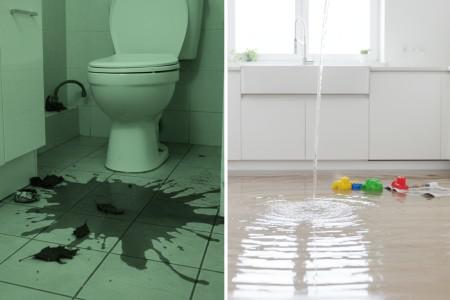
Water in your home is never good news. But not all water damage is created equal. There is a world of difference between a pipe that bursts and sends fresh, clean water across your bathroom floor and a sewer line that backs up and fills your basement with waste from who knows where.
The distinction matters more than you might think. It affects whether you can handle the cleanup yourself or need to evacuate immediately. It determines what materials in your home can be saved and what must be thrown away. It changes the health risks to you and your family. And it has major implications for your insurance claim and your restoration costs.
For homeowners in Fort Lauderdale, Hollywood, Plantation, and across Broward County, understanding the difference between a clean water flood and a sewage backup could save your health and your wallet.
The three categories of water damage
Restoration professionals classify water damage into three categories. These categories are not just technical jargon. They dictate every decision that follows.
Category One is clean water. This comes from a burst supply pipe, a leaking water heater, a overflowing sink with no contaminants, or a broken ice maker line. The water has not contacted any significant sources of bacteria or waste. It is essentially the same water that comes out of your tap. Category One water is safe to touch and, in theory, safe to drink, though no one would want to.
Category Two is gray water. This water contains significant contamination and can cause illness if ingested. Sources include washing machine overflows, dishwasher discharge, toilet overflows with urine but no feces, and sump pump failures. Gray water carries detergents, chemicals, and biological matter that make it unsafe.
Category Three is black water. This is grossly contaminated water that contains pathogens, bacteria, and other harmful agents. Sewage backups are the classic example. Also included are floodwater from rivers or storms, standing water that has begun supporting bacterial growth, and toilet overflows that include feces. Black water can cause serious illness or death if ingested.
Why sewage backup is fundamentally different
A sewage backup is Category Three black water. It contains human waste, bacteria, viruses, parasites, and any chemicals or medicines that have been flushed down toilets or poured into drains. E. coli, salmonella, hepatitis A, and countless other pathogens can live in sewage.
When sewage backs up into your home, the contamination is not just in the water you can see. It soaks into drywall, flooring, baseboards, and subflooring. It spreads through carpets and pads. It aerosolizes into tiny droplets that you breathe. And it leaves behind residues that continue to harbor pathogens even after the standing water is removed.
The cleanup standards for sewage are radically different from clean water. Materials that could be dried and saved in a clean water flood must be removed and discarded in a sewage backup. Carpet and padding are always removed. Drywall is cut out at least two feet above the high water mark. Baseboards come off. Furniture with porous surfaces is thrown away.
The health protection requirements are also stricter. Anyone working in a sewage contaminated area needs full personal protective equipment including waterproof suits, boots, gloves, and respirators. The area must be contained and negative air pressure established to prevent pathogens from spreading to clean areas of the home.
Clean water floods are not always simple
Do not assume that because the water started clean, the situation is simple. Clean water can become gray water or even black water over time. The clock starts ticking the moment water leaves the pipe.
After twenty four hours, clean water that has been sitting on flooring materials, soaking into dust and dirt, and warming to room temperature has typically become gray water. Bacteria begin multiplying. The water now carries contaminants from your floors and walls.
After forty eight to seventy two hours, standing water is generally considered black water regardless of its original source. The bacterial load is high enough to pose health risks. This is why emergency response time matters so much. Waiting just one day can turn a manageable Category One cleanup into a hazardous Category Two or Three situation.
Water damage repairs that protect your Cooper City home depend on responding quickly, before clean water becomes contaminated.
What you can save and what you cannot
The difference between clean water and sewage backup largely comes down to what stays and what goes.
In a clean water flood that is addressed immediately, many materials can be saved. Carpet and padding can be extracted, dried, and sanitized. Drywall can be dried in place if the water did not wick too high. Furniture can be cleaned. The key is speed and thorough drying.
In a sewage backup, the list of salvageable items is much shorter. Non porous materials like tile floors, sealed concrete, and metal fixtures can be cleaned and sanitized. Porous materials like drywall, carpet, padding, upholstered furniture, mattresses, and unsealed wood are generally considered unsalvageable. The pathogens penetrate too deeply. Cleaning is not reliable. Replacement is the only safe choice.
This is not about being wasteful. It is about health. Moldy drywall from a clean water leak might be dried and sealed. Drywall that has absorbed sewage cannot be safely dried and kept. The bacteria survive and continue to pose risks.
Knowing what to do immediately after a flood in your Pompano Beach property includes understanding which materials are worth saving and which must go.
Health risks you need to take seriously
The health risks from sewage backup are not theoretical. People have gotten seriously ill from improper cleanup.
Symptoms of exposure to sewage contaminated water include nausea, vomiting, diarrhea, stomach cramps, fever, and fatigue. More serious infections can develop, especially if contaminated water contacts open cuts or is inhaled as aerosolized droplets. People with compromised immune systems, young children, and the elderly are at higher risk.
Even after the standing water is removed and surfaces look clean, pathogens can remain. Dried sewage dust can become airborne during ordinary activities like vacuuming or walking across floors. This is why professional sanitation includes thorough cleaning with EPA registered disinfectants and, in some cases, fogging or surface testing.
Clean water floods pose minimal health risks if addressed quickly. The water is safe to touch, though you should still avoid drinking it. The primary danger is mold growth if drying is delayed, not immediate illness from the water itself.
Insurance and the category distinction
Your insurance policy treats clean water floods and sewage backups very differently, assuming you have coverage for both.
Most standard homeowner policies cover sudden and accidental water damage from clean sources like burst pipes. They may not cover floodwater from outside, which requires separate flood insurance. Sewage backup coverage is often an add on, not included in basic policies. Homeowners in areas with aging sewer systems should check their policies carefully.
When you file a claim, the category of water matters for coverage limits and for what the insurance company expects in terms of cleanup. Category Three claims typically involve higher payouts because more materials must be replaced rather than dried. But they also come with stricter documentation requirements.
Document everything. Take photos and video before any cleanup begins. Show the water color, the affected areas, and any visible contamination. Keep samples of damaged materials if requested. The more evidence you have, the smoother your claim will go.
Professional cleanup is not optional for sewage
You might be tempted to handle a sewage backup yourself, especially if the affected area seems small. Do not do this. The health risks are too high, and the specialized equipment required is not available to homeowners.
Professional sewage cleanup includes containment to prevent cross contamination, HEPA air filtration to capture aerosolized pathogens, removal of all contaminated porous materials, thorough cleaning of salvageable surfaces with industrial disinfectants, drying with commercial equipment, and verification testing to ensure the area is safe.
Without these steps, you risk leaving hidden contamination that sickens your family weeks or months later. The cost of professional cleanup is a fraction of the cost of medical bills and the liability if someone gets seriously ill.
For clean water floods, professional cleanup is still strongly recommended, especially if the water has been standing for more than a few hours or if the affected area is large. But a small, fresh clean water spill on a tile floor is something a handy homeowner can handle with towels, fans, and a dehumidifier.
Hidden water damage in Hollywood homes often starts with what seemed like a minor clean water leak that was not properly dried.
Frequently asked questions about sewage vs clean water damage
How can I tell if my backup is sewage or just dirty water?
The smell is usually the giveaway. Sewage has a distinct foul odor of waste. The color is often dark or black. If the water came from a toilet or drain that connects to your main sewer line, assume it is sewage. If you are unsure, treat it as sewage until proven otherwise.
Can I save my carpet if sewage got on it?
No. Carpet and padding are porous and cannot be reliably sanitized after sewage contamination. Professional remediation standards call for removal and disposal. Do not try to clean and keep sewage soaked carpet.
How long does it take for clean water to become unsafe?
Clean water can become gray water within twenty four hours and black water within forty eight to seventy two hours, depending on temperature and surface conditions. The clock starts when the water first contacts your floors and walls.
Does my homeowner policy cover sewage backup cleanup?
Not automatically. Many policies require a separate endorsement for sewer backup coverage. Check your policy documents or call your agent. Without this endorsement, you may be responsible for the full cost of cleanup and replacement.
Can I stay in my home during sewage cleanup?
Typically not. The affected area must be contained and kept under negative air pressure. Depending on the extent of contamination, you may need to relocate for several days until cleanup and testing confirm the area is safe.
What about the smell after cleanup? Will it go away?
Proper professional cleanup should eliminate sewage odor completely. If you still smell sewage after restoration, contamination remains somewhere. A lingering odor is not normal and requires further investigation.
The bottom line on water categories
Every flood is not the same. A clean water leak from a pipe is inconvenient and potentially damaging, but it is not a health emergency. A sewage backup is a biohazard that requires immediate professional response and extensive material removal.
The mistake homeowners make is treating all water damage the same. They grab towels and bleach and think they can handle it. With sewage, that approach puts their health at risk. With clean water, that approach might work for a tiny spill but fails for anything larger because without proper drying, mold will follow.
Know what kind of water you are dealing with. If there is any chance it is sewage, stop, clear the area, and call professionals. If it is clean water and you caught it early, you might handle it yourself. But when in doubt, professional assessment costs nothing compared to the price of getting it wrong.
Need help determining what kind of water damage you have?
If water has invaded your home and you are not sure whether it is clean, gray, or black, the safest choice is to call someone who can tell you for sure. The team at AdvantaClean of Fort Lauderdale responds twenty four hours a day to water damage emergencies of all kinds. They will assess the situation, identify the category of water, and walk you through exactly what needs to happen next.
Do not guess when your family's health is on the line. A few minutes on the phone could save you from weeks of illness or thousands in improper cleanup.
Visit AdvantaClean of Fort Lauderdale on Google Maps to find their location, read customer reviews, and get contact information. Reach out now before that water sits another hour. The difference between clean water and sewage is the difference between a manageable problem and a health crisis. Make sure you know which one you are facing.