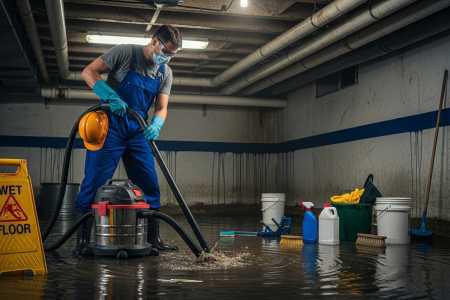
Sewage backups are among the most hazardous home disasters a Margate resident can face. Whether caused by clogged pipes, heavy rainfall, or aging infrastructure, a sewage overflow can result in extensive property damage and significant health risks. Knowing what to do—and what not to do—can make all the difference in protecting your home and family.
Here’s what every homeowner in Margate should know to handle a sewage backup safely and efficiently.
Why sewage backups happen in Margate homes
Margate’s plumbing systems can become overwhelmed for several reasons, particularly during South Florida’s rainy season. Some of the most common causes of sewage backups in the area include:
-
Tree root intrusion into sewer lines
-
Grease buildup and foreign objects flushed down toilets
-
Deteriorating or collapsed sewer lines in older homes
-
Flooded municipal sewer systems during storms
If your home has experienced slow drains, gurgling toilets, or frequent clogs, these may be early signs of a developing backup. Our team in Margate offers inspections that can help you catch these issues before they escalate.
Health hazards linked to sewage contamination
Raw sewage contains bacteria, viruses, parasites, and toxic gases that pose serious health threats. Common contaminants include:
-
E. coli
-
Salmonella
-
Hepatitis A
-
Norovirus
-
Fungi and mold spores
Exposure can lead to respiratory issues, gastrointestinal illness, and skin infections. This is why it’s critical to avoid any contact with contaminated materials and to leave cleanup to certified professionals trained in biohazard remediation.
What to do immediately after a sewage backup
If you discover a sewage backup in your Margate home, follow these steps right away:
-
Avoid the affected area – Do not walk through or touch contaminated water.
-
Shut off power if safe – If water is near outlets or appliances, cut the electricity at the breaker.
-
Stop the water source – If the issue is internal, turn off your home’s main water valve.
-
Call for emergency help – Contact a licensed sewage cleanup service immediately to prevent further damage.
-
Notify your insurance – Take photos and videos to document the damage for your claim.
Time is critical in limiting both structural damage and health risks. The sooner you act, the better your outcome.
Safe and effective cleanup methods professionals use
Cleaning up sewage is not just about removing water—it requires a multi-step remediation process designed to eliminate biohazards and restore safe living conditions.
At AdvantaClean of Fort Lauderdale, our certified technicians use EPA-approved disinfectants and wear full protective gear while:
-
Removing contaminated materials (drywall, carpet, insulation)
-
Extracting standing sewage and waste
-
Decontaminating all affected surfaces
-
Using HEPA-filtered air scrubbers and negative air machines
-
Monitoring moisture to prevent mold growth
Each step complies with IICRC S500 and S520 standards for safe water damage and microbial remediation.
Disinfection and odor removal after sewage exposure
Even after visible waste is gone, harmful microbes can linger on surfaces, in the air, and inside porous materials. That’s why disinfection is just as important as extraction.
Our team uses advanced odor-neutralizing technology like ozone treatments and hydroxyl generators, which eliminate foul smells at the molecular level. We also ensure your HVAC system is not circulating contaminated air by inspecting and cleaning affected ductwork. Learn more about air duct cleaning after water damage on our blog.
How to prevent future sewage issues in your home
Once your home has been cleaned and restored, it’s important to take preventive steps to avoid a repeat incident:
-
Install a backwater valve to block sewage from re-entering your home
-
Schedule annual sewer line inspections
-
Avoid flushing wipes, grease, and non-degradable materials
-
Maintain landscaping to prevent root intrusion
-
Consider sump pump upgrades for homes prone to flooding
Regular maintenance can save you thousands in cleanup costs and help protect your family’s health.
FAQs about sewage cleanup in Margate
How long does sewage cleanup take?
Most residential sewage cleanup projects in Margate take between 1–3 days, depending on the extent of contamination and structural damage.
Does homeowners insurance cover sewage backups?
Standard policies may not cover sewage unless you’ve added a specific rider for water or backup coverage. Check your policy or consult with your provider.
Can I clean up sewage myself?
It is not recommended. Sewage is a biohazard, and improper handling can worsen contamination and put your health at serious risk.
Get expert sewage cleanup in Margate—fast
Sewage backups are dangerous, stressful, and disruptive—but you don’t have to face them alone. AdvantaClean of Fort Lauderdale offers 24/7 emergency sewage cleanup in Margate with certified crews ready to respond quickly, safely, and thoroughly.
Call us now or request service online to restore your home and peace of mind.