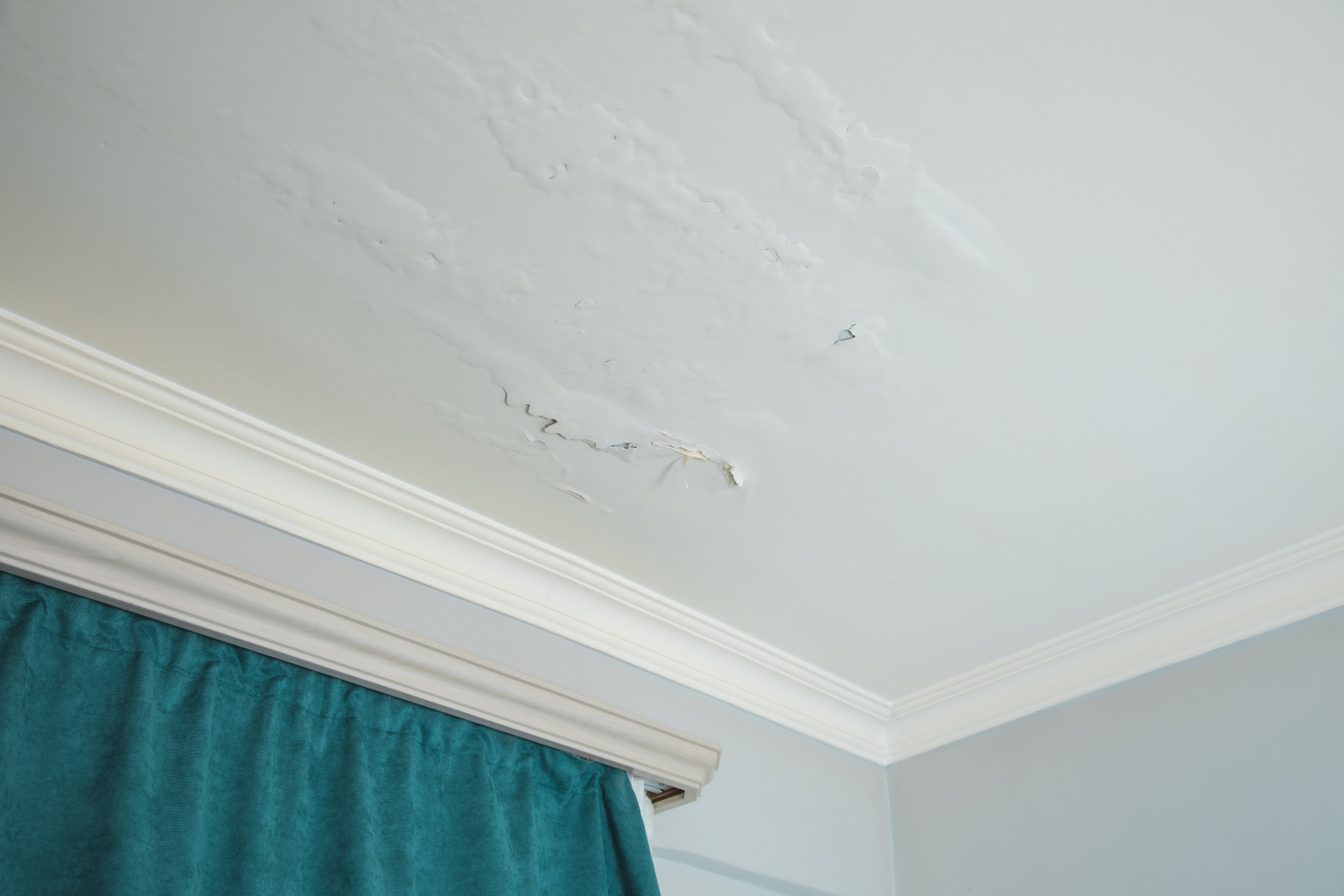
Water can travel beneath flooring, behind baseboards, and into wall cavities long before the full extent of the damage becomes visible.
Whether you are dealing with a burst pipe in Victoria Park, a flooded ground-floor room in Rio Vista, or stormwater entering a home near Coral Ridge, the first hours matter. Fort Lauderdale’s humid climate can make drying especially challenging, and damage that initially appears minor may involve materials that cannot be evaluated by sight alone.
The following 10 steps explain what homeowners should do, what they should avoid, and when professional water damage restoration becomes necessary.
1. Stop the Water Source Before Starting Cleanup
If water is actively entering your home, stop the flow if you can do so safely.
For a burst supply line, leaking appliance connection, or plumbing failure, locate the nearest shutoff valve. If that doesn’t stop the water, you may need to shut off the main household supply. Its location varies by property, but it is commonly near the water meter or where the supply line enters the home.
If water is coming through the roof, windows, or foundation during heavy rain, don’t attempt dangerous exterior repairs. Stay away from unstable areas and focus on protecting yourself and any belongings you can reach safely.
Key takeaway: Removing standing water will accomplish little if the source continues supplying more.
2. Check for Electrical, Structural, and Contamination Hazards
A flooded room may contain hazards that are not immediately visible.
Do not enter standing water if it may contact electrical outlets, extension cords, appliances, or wiring. Never walk through water to reach a breaker panel. If power needs to be disconnected and the panel cannot be reached safely from a dry location, contact your utility provider or a qualified electrician.
Be alert for sagging ceilings, weakened flooring, and water collecting around electrical equipment. Keep children and pets away from affected rooms until conditions have been evaluated.
The water source also determines the precautions required. Water from a clean supply line is different from sewage, outdoor floodwater, or water that has passed through contaminated materials. Even water that began clean can become contaminated after contacting building materials and household contents.
Key takeaway: Personal safety comes before property cleanup. Do not enter an area simply because the water appears shallow or clear.
3. Photograph and Document the Damage for Insurance
Before moving damaged belongings or starting major cleanup, document the affected areas as thoroughly as safety allows.
Photograph each room from multiple angles, then capture close-ups of wet flooring, stained walls, damaged furniture, and the apparent water source. Check closets, cabinets, and adjacent rooms where moisture may have traveled unnoticed.
Make a written inventory of affected belongings and save receipts for emergency expenses. Record when you discovered the damage and when you stopped the water source.
Contact your homeowners insurance carrier promptly to ask about coverage, documentation requirements, and emergency mitigation procedures. Standard homeowners policies commonly distinguish between sudden accidental water damage, gradual deterioration, and flooding from outside the home. You may need separate flood insurance for certain losses.
Key takeaway: Good documentation supports a clearer claim, but don’t delay urgent safety measures or necessary mitigation while you collect photos.
4. Remove Standing Water Only When Conditions Are Safe
Small amounts of clean water on tile or another hard, nonporous surface may be manageable with towels or a properly rated wet vacuum.
Larger losses require a different response. Water can collect beneath flooring, inside cabinets, and around structural components even after the visible puddle disappears. Commercial extraction equipment is designed to remove substantial amounts of water efficiently and may be necessary for saturated carpeting and other affected materials.
Do not use a standard household vacuum to extract water. Do not attempt to clean sewage-contaminated water or outdoor floodwater without appropriate professional precautions.
Move dry valuables away from affected areas if they can be reached safely. Avoid lifting heavy, waterlogged furniture or disturbing damaged materials that may conceal electrical or structural hazards.
Key takeaway: Surface cleanup works for minor spills, but substantial water intrusion requires evaluating what has become wet beneath the visible surface.
5. Find Hidden Moisture Behind Walls and Under Floors
One of the most expensive water-damage mistakes is assuming a room is dry because the floor no longer looks wet.
Drywall can absorb water and carry moisture upward. Water can migrate beneath vinyl flooring, laminate, carpeting, and cabinetry. Insulation may remain wet inside a wall cavity even when the painted surface feels dry.
Professional restoration teams use moisture meters to assess affected materials and may use infrared imaging to locate temperature differences that warrant closer investigation. Infrared cameras don’t measure moisture directly, so teams must confirm suspected wet areas with appropriate methods.
A professional assessment helps determine which materials can be dried in place, which require closer inspection, and which may need removal.
AdvantaClean of Fort Lauderdale discusses the importance of moisture assessment, airflow, and humidity management in its article about the professional water damage restoration process.
Key takeaway: A visually dry surface does not prove that the structure underneath has dried.
6. Begin Controlled Drying to Reduce Mold Risk
After excess water is removed, structural drying becomes the priority.
In Fort Lauderdale, outdoor humidity can complicate this process compared with a drier climate. The area’s average climate reflects persistently humid conditions, which can limit how effectively wet materials dry without controlled indoor conditions.
Opening windows is not always helpful. During humid weather, bringing outdoor air inside may increase the moisture load rather than reduce it.
Professional drying typically combines air movers, dehumidifiers, temperature management, and repeated moisture measurements. Professionals select and adjust equipment based on the materials affected and the conditions inside the property.
The Environmental Protection Agency recommends drying wet materials and water-damaged areas within approximately 24 to 48 hours to help prevent mold growth.
This is a prevention target, not a guarantee. Mold growth depends on moisture, temperature, materials, and other conditions, and some situations require additional investigation.
Key takeaway: Proper drying is measured, not guessed. Removing humidity from the air is just as important as encouraging moisture to evaporate from wet materials.
7. Know When Professional Water Damage Restoration Is Necessary
Not every spill requires a restoration contractor, but certain conditions make professional help especially important.
<escape>Call a water damage restoration company in Fort Lauderdale when:</escape>
-
Water has soaked drywall, insulation, carpeting, or installed flooring.
-
A burst pipe or appliance failure has affected multiple rooms.
-
Water has entered through exterior flooding, storm runoff, or a sewage backup.
-
Moisture has reached ceilings, wall cavities, or areas beneath cabinets.
-
The affected materials have remained wet for an extended period.
-
Musty odors, visible mold, or recurring moisture suggest a larger problem.
-
You may not be able to determine how far the water has traveled.
The appropriate cleanup methods depend on the water source, contamination conditions, and materials involved. A restoration company should evaluate these factors before determining what can be salvaged.
If significant mold growth is present, you may also need specialized mold remediation services.
Key takeaway: The need for professional restoration depends on the extent and conditions of the damage, not simply the size of the puddle.
8. Understand What a Water Damage Restoration Company Actually Does
Professional water damage restoration is a coordinated process that limits further deterioration and prepares the affected property for recovery.
A typical project involves five connected stages:
-
Inspection and damage assessment: Identify the source, affected materials, potential hazards, and moisture conditions.
-
Water extraction: Remove standing water and recoverable moisture using appropriate commercial equipment.
-
Structural drying: Position air movers and dehumidifiers to create controlled drying conditions.
-
Cleaning and material evaluation: Clean affected surfaces where appropriate and determine whether damaged or contaminated materials require removal.
-
Moisture verification: Monitor readings and document when affected materials have reached suitable drying conditions.
The exact sequence may vary. For example, contaminated water may require removing materials and specialized cleaning before certain drying activities can proceed.
Restoration professionals may also help document the mitigation work for insurance purposes. However, the insurer determines coverage under the applicable policy.
AdvantaClean of Fort Lauderdale describes its approach to water damage restoration, including the importance of coordinated airflow, temperature, humidity control, and treatment of affected materials.
Key takeaway: Professional water damage restoration is not simply water removal. It includes identifying affected materials, managing moisture, and verifying the results.
9. Account for Fort Lauderdale’s Flooding and Hurricane Risks
Fort Lauderdale faces water damage risks that extend beyond household plumbing failures.
The Atlantic hurricane season runs from June 1 through November 30, according to NOAA’s hurricane season information. Tropical storms and heavy rainfall can cause water intrusion even when a hurricane doesn’t make landfall nearby.
The region’s low elevation, drainage conditions, and high groundwater levels can complicate flooding. During intense rainfall, water may enter through doors, garages, foundations, and other vulnerable openings.
The April 2023 flood demonstrated how serious these conditions can become. Parts of the Fort Lauderdale area experienced extraordinary rainfall, with approximately 25.91 inches recorded over 24 hours during the April 12–13 event. Broward County provides additional regional flood information.
Stormwater damage also presents different restoration challenges from a clean-water plumbing leak. Outdoor floodwater may contain sediment, sewage, chemicals, and other contaminants. Saturated porous materials may require removal rather than routine drying.
FEMA’s flood cleanup recommendations emphasize safety, removal of damaged materials when necessary, cleaning, and thorough drying.
For homeowners in neighborhoods such as Edgewood, River Oaks, Victoria Park, and areas near the Intracoastal Waterway, understanding the property’s drainage conditions and flood exposure can be an important part of emergency preparedness.
Key takeaway: In Fort Lauderdale, storm-related water damage requires careful attention to contamination, hidden moisture, and the possibility of repeated water intrusion.
10. Prevent the Next Water Damage Emergency
Once you’ve dried and restored your home, the next priority is reducing the likelihood of another loss.
Inspect appliance supply hoses and plumbing connections for wear, corrosion, and leakage. Address roof problems promptly and keep gutters and drainage pathways clear. Check areas beneath sinks and around water heaters for early signs of moisture.
Consider water leak detectors near washing machines, water heaters, and other plumbing fixtures. Automatic shutoff devices may provide additional protection against certain supply-line failures.
In flood-prone areas, review drainage conditions, protect important belongings from low-lying storage areas, and understand your insurance coverage before hurricane season begins.
Indoor humidity also deserves attention. Air conditioning and properly sized dehumidification equipment can help maintain suitable conditions, but investigate recurring dampness rather than managing it indefinitely with fans.
Key takeaway: Preventing water damage combines plumbing maintenance, moisture monitoring, drainage awareness, and preparation for South Florida’s severe weather.
Frequently Asked Questions About Water Damage Restoration in Fort Lauderdale
How quickly should water damage restoration begin?
As soon as it is safe and practical. Prompt action can reduce moisture exposure and help preserve affected materials. The EPA recommends drying wet areas within approximately 24 to 48 hours to help prevent mold growth, although some losses require more extensive remediation.
How long does it take to dry a water-damaged home?
Drying time varies depending on the amount of water, materials affected, temperature, humidity, and how long the moisture was present. Some relatively minor losses may dry within a few days, while more extensive damage can require longer. Moisture measurements, rather than a fixed number of days, should determine when drying is complete.
Can water damage cause mold in Fort Lauderdale?
Yes. Mold can develop when susceptible materials remain damp. Fort Lauderdale’s humid climate makes moisture control especially important. Prompt extraction, proper drying, and fixing the water source help reduce the likelihood of growth.
Does homeowners insurance cover water damage restoration?
Coverage depends on the cause of the loss and the policy. Some policies may cover sudden, accidental plumbing failures, while gradual leaks, maintenance-related damage, and exterior flooding may be excluded or require separate coverage. Contact your insurer for details specific to your policy.
Can I stay in my home during water damage restoration?
It depends on the extent of the damage and the hazards involved. A limited clean-water loss may let you stay in unaffected areas. Sewage contamination, electrical hazards, significant structural damage, or extensive remediation may require temporary relocation. Follow the recommendations of qualified professionals and emergency authorities.
What is the difference between water mitigation and water damage restoration?
Water mitigation focuses on limiting immediate damage through measures such as stopping water intrusion, extraction, and drying. Water damage restoration is the broader process of returning the property to its pre-loss condition, which may include cleaning, replacing materials, and repairs.
Call AdvantaClean of Fort Lauderdale for Emergency Water Damage Restoration
When water enters your home, the most important decisions happen early. Stopping the source, protecting your home, documenting the loss, and arranging proper drying can reduce further damage and clarify your path to recovery.
AdvantaClean of Fort Lauderdale provides water damage restoration services for local homeowners dealing with plumbing failures, water intrusion, and other property damage. The company offers 24/7 emergency water damage response.
If you need a water damage restoration company in Fort Lauderdale, FL, call (954) 994-2947 to discuss the situation and request assistance.
A prompt, thorough response can help protect salvageable materials and address moisture before it causes further problems.
AdvantaClean of Fort Lauderdale, FL
236 NE 33rd St, Oakland Park, FL 33334
(954) 994-2947
https://maps.app.goo.gl/nv2Q3gaR4yumLsj8A