Understanding Flood Restoration in Acworth
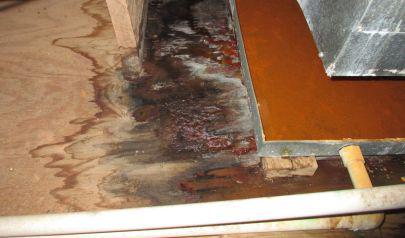
When flooding hits a home in Acworth, the damage is often more than just wet floors and ruined carpets. Walls, especially those made from drywall or composite materials, are highly susceptible to water absorption, and once water gets inside, the drying process becomes more complicated than many homeowners expect.
Flood damage cleanup involves more than removing standing water. Structural materials like baseboards, wall cavities, and insulation must also be inspected, dried, or, in some cases, removed and replaced to prevent long-term issues.
Water Doesn’t Just Pool—It Travels Up
Drywall acts like a sponge. Once floodwater makes contact, it doesn’t stay at floor level. Through a process called capillary action, moisture can wick upwards, often several inches or more. That’s why professional teams trained under IICRC WRT and ASD standards check walls above the water line during their initial assessment. A wall might look fine halfway up, but it still holds enough moisture inside to support microbial growth.
In some cases, flood cuts are necessary. This action means the technician removes the portion of drywall just over the waterline to expose the framing and insulation. Once open, this area allows for targeted drying and preventing future issues like hidden mold or deterioration.
Behind Baseboards and Inside Cavities
Baseboards can trap water against the wall surface, making it harder for air circulation to reach those wet areas. Once baseboards are removed, technicians can use moisture meters to measure how deep the water has traveled. If insulation behind the wall has become saturated, it likely needs to be removed—especially in cases of Category 2 or 3 water, where contamination is a concern.
Professionals may also use HEPA-filtered air movers, dehumidifiers, and wall cavity drying systems to circulate air and control humidity inside closed spaces. Just drying the surface is not enough. The goal is to reduce moisture content inside materials to safe levels as defined by industry standards.
Time and Water Type Affect What Can Be Saved
The longer materials are wet, the greater the risk of irreversible damage. After 24 to 48 hours, even clean water can become biologically unsafe. In flood events, where water may include soil, runoff, or sewage (Category 3), drywall and insulation are generally considered unsalvageable. These materials must be safely removed to eliminate health hazards.
Flood damage cleanup teams assess materials using both moisture detection tools and visual cues, following IICRC S500 guidelines to determine which materials require drying and which must be replaced.
Call for Flood Damage Cleanup in Acworth
If your walls were exposed to floodwater, don’t assume everything’s fine once the surface dries. For thorough flood damage cleanup in Acworth, call AdvantaClean of Kennesaw at (470) 887-9171. Our team follows certified drying procedures to address hidden moisture and prevent damage that may not show up until months later.
AdvantaClean of Kennesaw, GA
(470) 705-6837
https://maps.app.goo.gl/QMashHc9CVBr77UF8