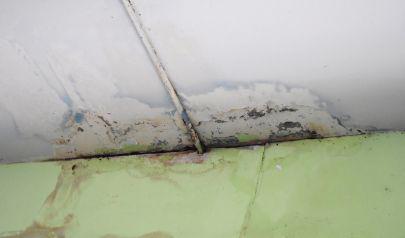
Preventing Hidden Water Damage in Acworth Homes
After a leak or flood in your home, it's easy to think that once things look dry, the problem is behind you. You've got fans running. The surface feels dry to the touch. But then you notice it: that faint musty smell returning. Or worse, your hardwood starts to warp.
That's where many DIY water mitigation efforts fall short. What you're dealing with isn't just leftover dampness. It's something professionals call bound water—and if it's not addressed correctly, it can quietly cause damage behind the scenes.
What Is Bound Water?
When water enters a home, it soaks into more than just carpet and drywall. Porous materials, such as wood, subflooring, cabinets, and even some insulation, absorb moisture deep below the surface. This situation is bound to water—moisture that clings to the internal structure of materials, making it much harder to remove.
Even after surface drying is complete, bound water can remain trapped. Fans alone won't touch it. And if left behind, this moisture can create the perfect conditions for mold growth, structural warping, and lingering odors.
Why Surface Drying Isn't Enough
The early stages of water mitigation focus on removing free water—what you can see and touch. But effective drying doesn't stop there.
As materials dry out, the remaining moisture becomes increasingly difficult to access. That's when professional drying equipment—such as low-grain refrigerant or desiccant dehumidifiers—takes over. These systems are designed to pull moisture from deep inside hardwoods, framing, and dense surfaces that traditional fans can't reach.
In places like Acworth, where the weather can swing between humid summers and cool, wet winters, skipping this step increases the risk of delayed damage.
How to Tell If You Still Have Hidden Moisture
You might still have bound water in your home if:
-
Floors feel cool or slightly damp after 48 hours
-
A musty odor returns after the fans are removed
-
Hardwood shows signs of cupping or warping
-
Your dehumidifier runs nonstop with little progress
These are not typical signs of drying—they're red flags that a deeper issue hasn't been resolved.
Why Pros Should Handle Water Mitigation
Water mitigation is about more than just drying things up on the surface. It requires a comprehensive drying plan that adapts as moisture penetrates deeper into the materials. Professional technicians use moisture meters, thermal imaging, and documented drying logs to ensure every layer of your home is safe and dry—especially the ones you can't see.
If you've leaked, don't wait until mold or structural issues appear. Proper water mitigation starts on day one, but it's the work done on days three and four that prevents long-term problems.
Contact AdvantaClean of Kennesaw at (470) 887-9171 if your floors remain damp after a leak. Our team serves Acworth and the surrounding areas with expert water mitigation services that go beyond surface drying.
AdvantaClean of Kennesaw, GA
(470) 887-9171