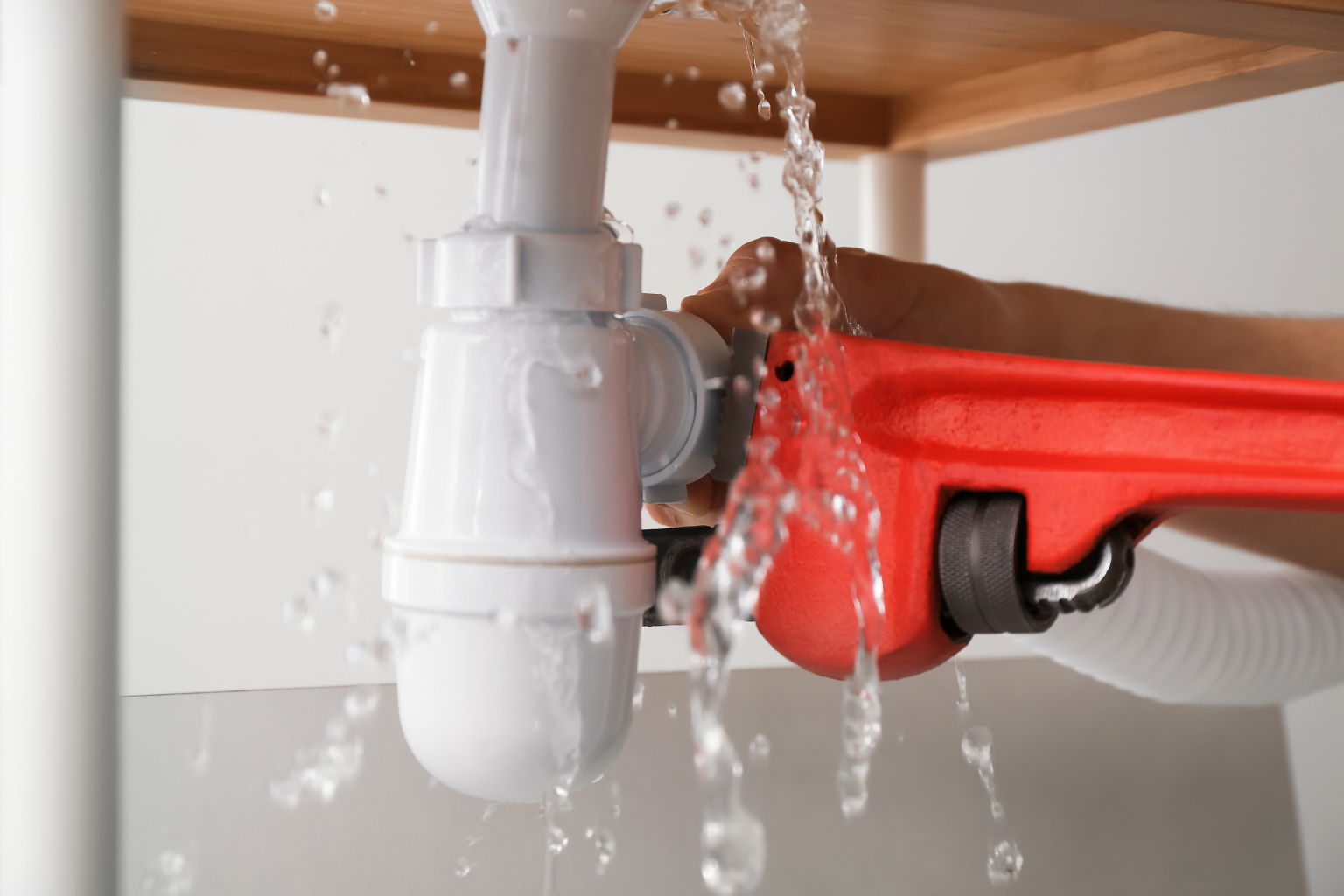
Water damage usually falls into two broad categories.
The first type is sudden and easy to spot. For example, a pipe bursts, a washing machine overflows, or a water heater breaks. Water shows up where it shouldn’t, and it’s clear that cleanup is needed.
The second type happens slowly over time. Water might get in through a crack in the foundation, gather in a crawl space, seep in after heavy rain, or leak slowly from hidden plumbing. Poor drainage or a damaged vapor barrier can also let moisture build up.
This slower kind of water damage is hard to notice because there’s often no single event to alert you. Instead, moisture keeps affecting wood, insulation, subflooring, drywall, and other materials until you finally see signs of a problem.
If you own a home in Marietta, pay special attention to crawl spaces and foundations. North Georgia’s humid weather, heavy rains, and moisture-retentive soil can cause water and humidity to linger under your house. If that moisture doesn’t dry out, a small issue can slowly turn into a bigger problem.
Why Hidden Water Damage Can Go Unnoticed
Most people think water damage will always cause a strong smell, a visible stain, or a puddle. But ongoing moisture doesn’t always show up like that.
A crawl space might slowly get more humid or start to smell musty. Since these changes happen over time, people living in the house may not notice them right away.
While this is happening, moisture can continue to damage materials beneath your living space. Wood framing and subflooring can soak up water, insulation might get damp or stop working well, and ongoing moisture can lead to mold and wood rot.
The source of the moisture might stay hidden, even as the damage starts to show up in other parts of your home.
Warning Signs of Hidden Water Damage
Hidden water damage rarely has just one clear sign. Instead, watch for anything in your home that seems out of the ordinary.
If part of your floor suddenly feels softer or more flexible than the rest, it’s worth checking out. This could mean there’s a problem with the subfloor or the materials underneath.
Doors or windows that suddenly become harder to open or close can have various causes, but moisture is one possibility. When wood framing absorbs water, it can swell and make things stick.
A musty smell is another good reason to look for water damage, especially if it’s stronger on lower floors, in closets, bathrooms, or above a crawl space.
Other things to watch for include peeling paint, stained drywall, warped floors, condensation, high indoor humidity, or an HVAC system that seems to be working overtime to keep your home comfortable.
Just one symptom doesn’t always mean you have water damage. But if you notice several signs at once, it’s a good idea to check for the source.
Can You Check for Water Damage Yourself?
You can start by doing a simple visual check yourself.
Check for standing water, stains, mold-like spots, damaged insulation, flooring problems, plumbing leaks, and places where rainwater gathers near the foundation. If you can safely access the crawl space, look for moisture or condensation there, too.
The difficulty is determining what is happening inside building materials.
Wood, drywall, and subflooring can hold moisture even when the exposed surface does not appear wet. Professional moisture meters and other inspection tools help technicians determine where moisture is present and how far it may have traveled.
At AdvantaClean of Marietta, our technicians use moisture measurements along with a physical inspection to evaluate affected areas. This helps us identify water damage that may not be apparent from a visual inspection alone.
Finding the moisture is only part of the process. The next question is where it came from.
Finding the Source of the Moisture
Effective water damage restoration begins with identifying the cause.
If rainwater is directed toward the foundation due to drainage or grading problems, drying the crawl space will not prevent water from returning. If ground moisture is entering because a vapor barrier has failed or is missing, that condition needs to be addressed. A plumbing leak inside a wall requires a different solution.
This is why simply drying a wet area may not be enough.
The affected materials need to be evaluated, and the source of the moisture must also be identified and corrected. Otherwise, the same water damage can return.
Depending on the situation, the water damage restoration process may include water removal, controlled drying, dehumidification, moisture monitoring, cleaning, and removal of materials that cannot be properly restored. The exact approach depends on the source, extent of damage, and materials involved.
Why Crawl Space Moisture Matters to the Rest of the Home
A crawl space may be underneath the living area, but it is still part of the home’s overall environment.
Persistent moisture below the house can affect floor joists, subflooring, insulation, and other structural materials. High crawl space humidity can also contribute to uncomfortable indoor conditions above it.
That is why a crawl space water problem should not be viewed simply as water underneath the house. It may eventually affect materials and living areas that seem far removed from the source.
Catching the problem early can also make water damage restoration more manageable. A small area of elevated moisture is generally easier to address than widespread deterioration that has been developing unnoticed for months.
Preventing Slow Water Damage in Marietta Homes
Preventive maintenance does not have to be complicated.
Homeowners can periodically inspect areas around the foundation, watch where water travels during heavy rain, keep gutters and downspouts functioning properly, and pay attention to changes inside the house.
Crawl spaces should also be checked periodically, particularly after prolonged rain or when unexplained odors, increased humidity, or changes in the flooring are present.
The goal is not to assume every unusual sign means serious water damage. It is to catch moisture problems while they are still small enough to investigate and correct.
When Something Does Not Seem Right, Check It
Sudden water damage is easy to recognize. Slow water damage is different. It can remain hidden beneath floors, inside walls, or around a foundation while gradually affecting nearby materials.
If it has been a while since anyone inspected the crawl space or the foundation beneath your Marietta home, or you have noticed musty odors, unusual humidity, changes in flooring, or other possible signs of moisture, schedule an inspection to help determine what is actually happening.
You can read what local homeowners have said about their experiences with our team on our Google Business Profile or contact us to discuss your concerns.
For water damage restoration or help investigating a possible moisture problem in Marietta, contact AdvantaClean of Marietta at (470) 819-2077 today.
AdvantaClean of Marietta, GA
2265 Roswell Rd #100, Marietta, GA 30062
(470) 819-2077
https://g.page/ACMarietta?share