Severe weather in Marietta tends to follow some familiar patterns.
Spring can bring strong thunderstorms as warm, humid air interacts with approaching cold fronts. These systems can produce heavy rain, lightning, damaging winds, hail, and occasionally tornadoes.
Summer storms often develop differently. Heat and humidity build throughout the day, and thunderstorms often form in the afternoon or evening. Some are brief. Others can produce a tremendous amount of rain in a short period.
For homeowners, the amount of rain is only part of the concern. What happens to that water after it reaches the ground can determine whether a storm ends with a wet yard or a call for storm damage restoration.
Georgia’s clay-heavy soil drains slowly, especially once the ground is already saturated. During heavy rainfall, water can move across yards and driveways toward lower areas around a property.
That may mean a crawl space entrance, a foundation opening, a basement stairwell, a garage, or another vulnerable part of the house.
The storm may pass quickly. Water damage can continue developing long afterward.
Heavy Rain Is Only Part of Marietta Storm Damage
Wind can create an entirely different set of problems.
Marietta’s mature trees provide shade throughout many established neighborhoods, but strong winds can break branches or bring trees down. When a limb damages shingles, flashing, gutters, or roof decking, rain can enter the structure.
Wind-driven rain can then reach an attic, insulation, ceilings, walls, and flooring.
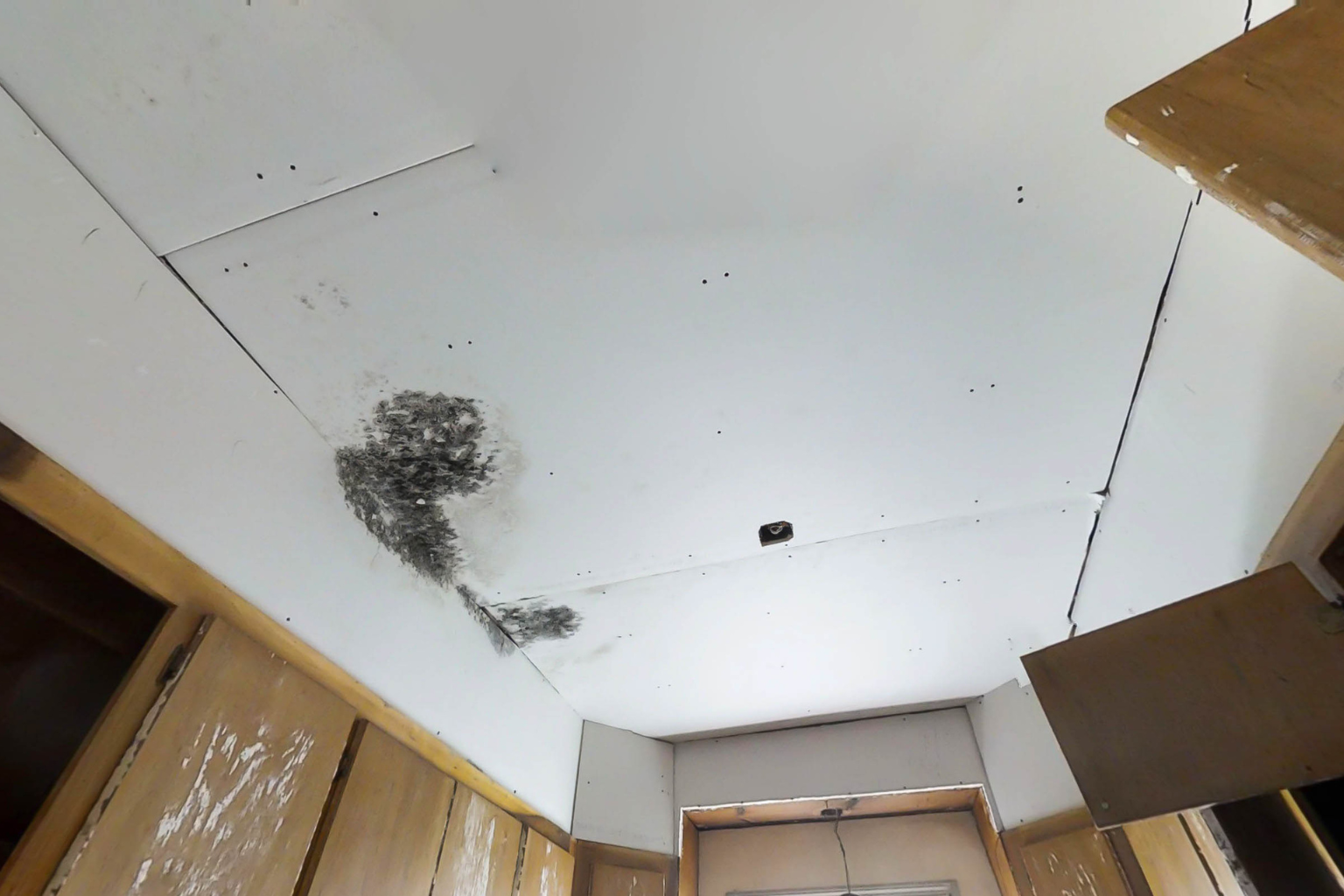
Some roof damage is immediately obvious. Other problems may not appear until hours or days later, when a ceiling stain shows up, or someone finds wet insulation in the attic.
That is why storm damage restoration in Marietta often involves more than removing standing water. The restoration team also needs to determine how water entered the building and how far it traveled.
What Storm and Flood Damage Can Look Like After the Weather Clears
People often imagine storm flooding as several inches of standing water throughout a room.
Sometimes that happens. Other times, the warning signs are much less dramatic.
Carpet may feel damp or slightly soft along an exterior wall. Baseboards can begin swelling. Wood or laminate flooring may start changing shape. Drywall can develop stains or soften near the bottom of a wall.
A roof leak may first appear as a small discolored area on the ceiling.
Crawl spaces can also collect water without homeowners realizing it. Because the area is out of sight, moisture may remain beneath the house long after the yard above appears dry.
These smaller signs deserve attention because water can move farther through building materials than its visible boundaries suggest.
Professional storm damage restoration determines what is wet, what can be dried, what may need to be removed, and what caused the water to enter the property.
Storm Runoff Is Different From a Plumbing Leak
Where the water came from matters.
Water from a supply line inside a home presents a different restoration situation than water that has traveled across soil, pavement, landscaping, or other outdoor surfaces before entering the building.
Storm runoff can collect contaminants along the way. This affects how damaged materials must be handled, cleaned, and evaluated.
Homeowners should not assume water is harmless simply because it came from rain.
A storm damage restoration professional can assess the water source, the affected materials, and the appropriate procedures for water removal and property restoration.
What to Do After Storm Water Enters Your Home
Safety comes first. Do not enter standing water if electrical components, outlets, appliances, or wiring may be affected. Avoid damaged areas of the structure, and stay away from fallen power lines.
Once conditions are safe:
-
Document the damage. Take photos and videos of affected rooms, belongings, flooring, walls, ceilings, and visible exterior damage before moving items, when possible.
-
Protect belongings when it is safe. Move unaffected furniture and personal property away from wet areas without entering unsafe standing water or damaged sections of the house.
-
Look for the possible entry point. Roof damage, exterior openings, foundation areas, doors, windows, and crawl spaces can provide clues, but avoid climbing onto a wet or storm-damaged roof.
-
Call for storm damage restoration promptly. The sooner you can inspect affected materials and start drying, the better your chance of limiting additional water damage.
Why Fast Storm Damage Restoration Matters
Water damage doesn’t stop when the rain stops.
Drywall can absorb moisture. Insulation can remain wet inside walls or attics. Wood framing and subflooring can retain water even after the surface feels dry.
Flooring can also trap moisture underneath it.
Marietta’s warm, humid conditions can make natural drying even more difficult. Leaving wet materials in place can contribute to swelling, deterioration, odors, and conditions favorable to mold growth.
This is where professional drying equipment and moisture measurements become important.
A room can look dry while materials inside the wall, beneath the flooring, or beneath the house still contain elevated moisture levels.
During storm damage restoration, technicians can use moisture detection equipment to determine the extent of material damage and monitor drying progress, rather than relying on appearance alone.
What Happens During Storm Damage Restoration?
Every storm causes different damage, so no single restoration procedure applies to every property.
The process generally begins with an assessment of the affected areas and the water source.
If standing water is present, technicians may need to extract it. Technicians can then evaluate flooring, drywall, insulation, structural materials, and other affected areas to determine what can be dried and what may need to be removed.
Drying and dehumidification equipment may remove remaining moisture from the structure. Moisture levels can be monitored throughout the process to determine whether affected materials are drying as expected.
If the storm damaged the roof, windows, or exterior, address those entry points so additional rain doesn’t keep entering the property.
The goal isn’t just to make the visible water disappear. Effective storm damage restoration addresses residual moisture and helps prevent further damage after the storm passes.
Do Not Forget the Crawl Space After Heavy Rain
One of the easiest areas to overlook after a Marietta storm is the area under the house.
A crawl space can fill with water from runoff, drainage problems, foundation openings, plumbing issues, or saturated soil around the home.
Homeowners may see no water inside their living space while moisture remains beneath the floor.
Persistent crawl space moisture can affect insulation, floor joists, subflooring, and other building materials. It can also raise humidity and create conditions that support mold growth.
After unusually heavy rainfall, inspecting the crawl space can help identify a problem before damage becomes apparent upstairs.
Storm Damage Can Continue After the Sky Clears
A severe thunderstorm may be over in an hour. Restoring the property can take considerably longer.
The key question after a storm isn’t simply whether the house flooded. It is whether water entered anywhere it should not have.
Check ceilings. Look around windows and exterior doors. Pay attention to flooring and baseboards. Inspect accessible attic and crawl space areas when it is safe to do so. Watch for unusual odors or moisture in the days after the storm.
Small signs can reveal a much larger moisture problem.
At AdvantaClean of Marietta, our team evaluates storm-related water damage, identifies affected materials, and develops a drying and restoration plan based on what actually happened inside the property.
You can also read what homeowners in the area have said about working with our team on our Google Business Profile.
If severe weather has left water inside your Marietta home, damaged your roof, flooded your crawl space, or created another moisture problem, do not wait for the affected materials to dry on their own. Contact AdvantaClean of Marietta at (470) 819-2077 for professional storm damage restoration.
AdvantaClean of Marietta, GA
2265 Roswell Rd #100, Marietta, GA 30062
(470) 819-2077
https://g.page/ACMarietta?share