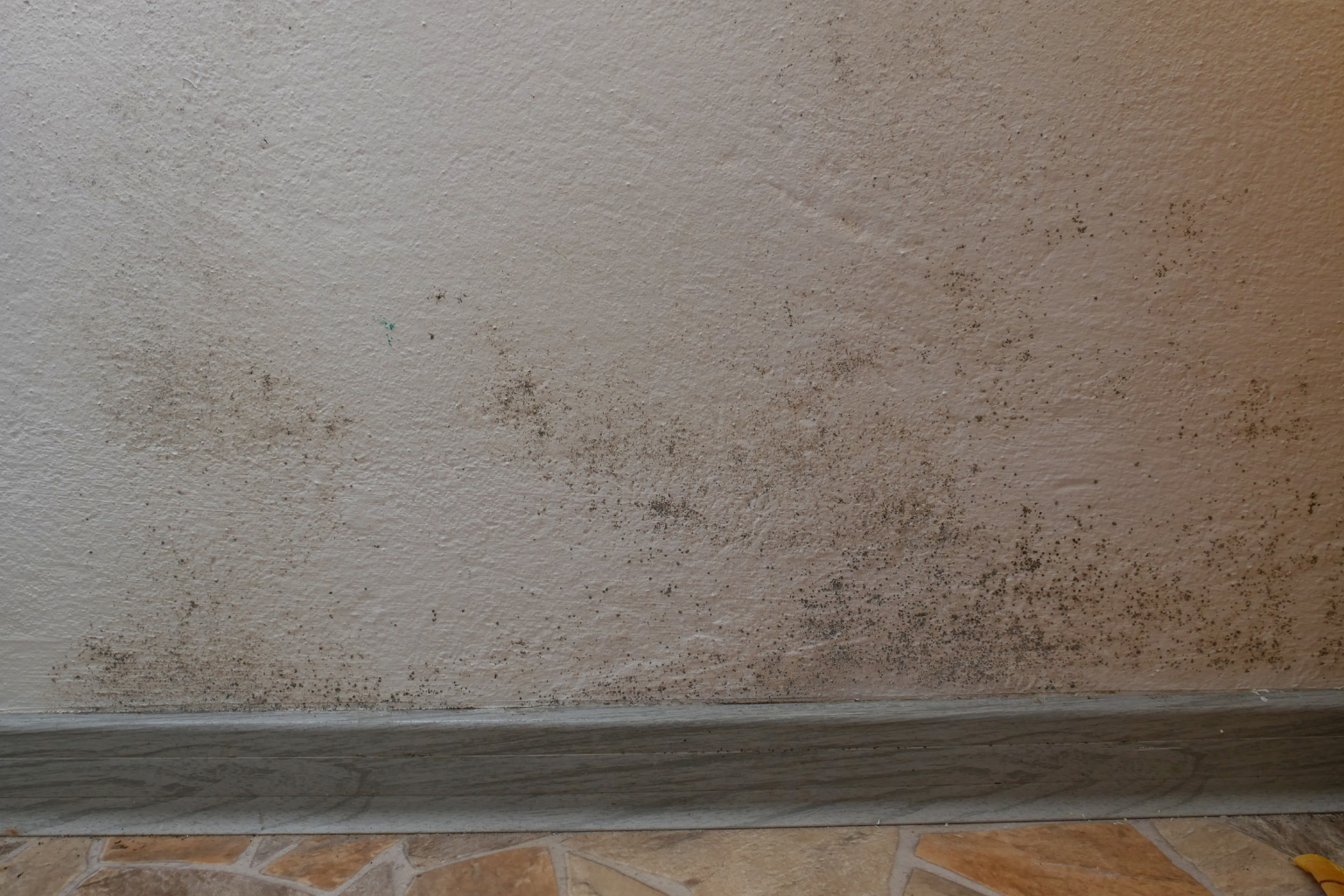
Most of the mold calls we receive don’t begin with someone spotting mold. Instead, it usually starts with a musty smell in one room, often stronger near the floor or a certain wall. Sometimes, a family member’s allergies get worse for no clear reason. Other times, a realtor notices something during a pre-sale inspection. By the time we come out to Duluth and check for moisture, the mold behind that smell is usually more advanced than the homeowner thought.
Mold doesn’t need a flood to start growing, which often surprises people. All it takes is moisture, a surface, and some time. In Gwinnett County, with humid summers and many homes built in the 1980s and 1990s, these conditions happen more often than most homeowners realize.
Where Mold Problems Most Often Start in This Area
After years of inspecting and removing mold in Duluth, Suwanee, and Flowery Branch, we’ve noticed clear patterns in where mold tends to grow and why.
Crawl spaces are the most common trouble spot. In Duluth, homes with vented crawl spaces draw in Georgia’s humid summer air under the floor. When that air hits the cooler wood, it leaves moisture behind. The original vapor barrier helps slow this, but if it’s been damaged by pest control, plumbing work, or just age, ground moisture can reach the wood above. We’ve found serious mold on floor joists in homes where owners had no idea anything was wrong underneath.
Bathroom walls are the next most common spot. If exhaust fans don’t work well or vent into the attic instead of outside, shower steam can build up behind tiles and inside the walls. Over time, grout and caulk around tubs can fail, letting water seep behind the tile and reach the wood framing and drywall. With enough moisture and time, mold will start to grow there.
Attics are another common place for mold, especially in homes where bathroom fans or dryer vents end in the attic. Slow roof leaks can also let water soak the attic decking for seasons without leaving any stains on the ceiling below.
Why Bleach Isn’t a Real Solution
We get asked about this a lot, so let’s be clear. When you use bleach on porous surfaces like drywall or wood, it only kills the mold you can see. It doesn’t reach the roots inside the material. The surface may look clean, but within weeks—sometimes even sooner in summer—mold returns from the roots left behind.
More importantly, bleach doesn’t fix the moisture problem that caused the mold. Unless you solve that, the mold will keep coming back no matter what you put on the surface.
What Proper Mold Remediation Looks Like
Real mold remediation starts with an assessment, not just tearing things out. We use moisture meters and thermal imaging to identify affected areas before starting any work. This helps us see which materials really need to be removed and which can be saved, and it also shows us where the moisture is coming from.
Before removing anything, we set up barriers and use negative air pressure to keep mold spores from spreading to other parts of the house. Any porous materials that can’t be cleaned are taken out. We clean and treat wood framing and other surfaces that can be saved with an EPA-approved antimicrobial. We make sure the area is dry before rebuilding.
After remediation, we do clearance testing to make sure mold levels are back to normal. This documentation matters if you’re selling your home, filing an insurance claim, or just want proof the job is finished.
If you are dealing with mold in your Duluth home, or you have a persistent smell and want to know what is behind it, contact AdvantaClean of Norcross and Buford. Check our Google Business Profile to see what homeowners in Duluth, Suwanee, and Flowery Branch have said about working with our team. We are available at (470) 819-2070.
AdvantaClean of Norcross and Buford, GA
3050 Business Park Drive # D, Norcross, GA 30071
(470) 819-2070
https://share.google/NvvK058haG9uVmZfK