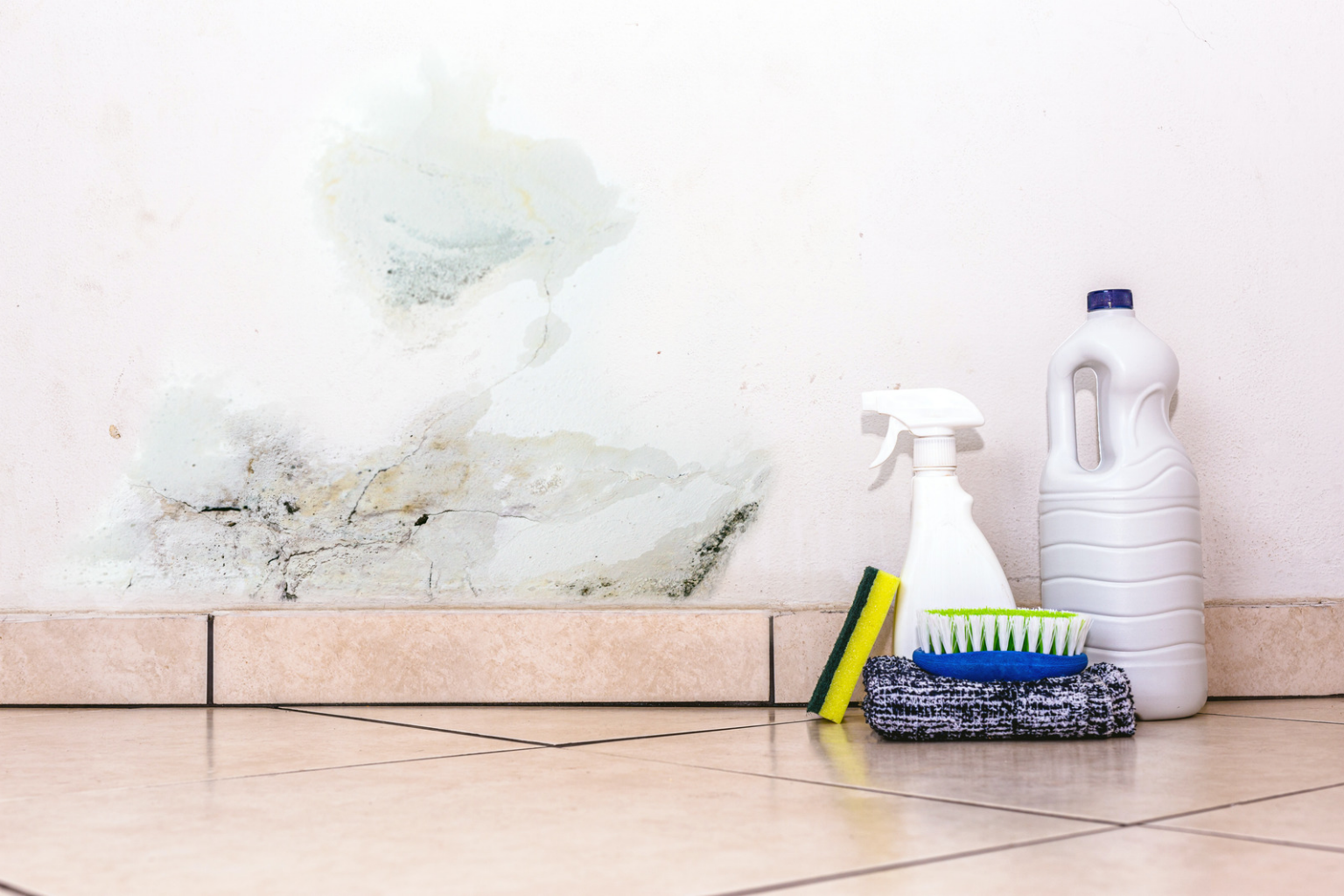
You turn on the air conditioning and notice a musty smell coming from the vents. By the afternoon, the smell is gone, so you might ignore it. In Norcross homes, this often means mold is growing somewhere damp in the system. Clogged condensate drains, standing water in drain pans, and Georgia’s humid summers keep these spots from drying out.
Stains along your baseboards after a humid summer are another sign. Mold doesn’t need much to grow. With moisture, a food source like drywall or wood, and some time, it can spread in hidden places. The following questions cover what Norcross homeowners usually ask.
Can I clean it myself?
Sometimes you can. The EPA says homeowners can usually handle mold patches smaller than about 10 square feet if they follow its advice. Scrub hard surfaces with detergent and water, then dry them completely. Porous materials like ceiling tiles and carpet often need to be thrown out, since mold inside them can’t be cleaned. Never paint or caulk over moldy surfaces, as this only hides the stain and leaves the mold alive underneath.
Call a professional if the mold covers more than about 10 square feet, if sewage is involved, or if anyone in your home has health concerns. Also, don’t expect bleach to solve mold on porous drywall. Bleach may lighten the stain, but it doesn’t reach mold inside the material. That’s why the stain often returns in the same spot after a few weeks.
Before you clean anything, read the EPA’s guide to mold and moisture in the home. It is short and direct, and it will help you decide whether your situation is a do-it-yourself job or something bigger.
Why does it keep coming back?
It keeps coming back because the moisture is still there. The EPA says the key to controlling mold is controlling moisture. If you only clean what you see but don’t fix the water problem, the mold will return.
Norcross has plenty of moisture for mold to grow. The area gets about 54 inches of rain each year, spread throughout all seasons, so there’s never a long dry period. Summers are hot and humid, with temperatures often in the upper 80s to low 90s and frequent afternoon storms. Many homes in Gwinnett County have crawl spaces or basements, which are common places for damp air to collect. Inside, a struggling air conditioner or a clogged condensate drain can keep humidity high, creating the perfect environment for mold.
Two important EPA tips to remember: Dry any water-damaged areas and items within 24 to 48 hours to stop mold from growing. Also, keep indoor humidity below 60 percent, and ideally between 30 and 50 percent. If a room smells musty every summer, something is causing it, and finding the source is more important than any cleaner.
What does professional remediation actually involve?
Real remediation is a sequence, and each step serves a purpose.
First, locate the mold. It often hides behind cabinets, under sinks, and inside walls, so a thorough inspection looks beyond what you can see.
Second, contain the area. The work zone is sealed with plastic sheeting and put under negative pressure with HEPA air scrubbers to keep spores from spreading through the house. You can see how this works in the franchise’s published explanation.
Third, remove the mold. The growth is physically removed, and the debris is bagged, rather than just sprayed and left behind.
Fourth, clean and treat the area. We vacuum surfaces with HEPA filters, wipe them with EPA-approved cleaners, and then treat them with EPA-approved antimicrobials.
Fifth, and most importantly, fix the moisture problem. Whether it’s a leak, a drain issue, or high humidity, whatever is causing the mold must be resolved. This is the standard process for mold remediation, and the steps always follow this order: contain first, remove second, treat third, and control moisture throughout.
Mold isn’t always found in crawl spaces. It can also spread behind kitchen cabinets after a slow leak in a supply line. You can see examples of mold spreading through a kitchen to understand what hidden growth looks like.
How do I know the job was done right?
Check with your senses and by measuring moisture. There should be no visible mold and no musty smell in the treated area. Moisture levels in the affected materials should be back to normal and dry. The water source should also be fixed, not just identified. If any of these are missing, the job isn’t done.
A good company will review all three points with you before finishing the job. Ask to see the moisture readings. Ask what was done to fix the moisture source. If the answers aren’t clear, keep asking until you understand.
Instead of just cleaning the mold, focus on finding the moisture source. This approach keeps mold from coming back. First, find out where the moisture is coming from, then decide whether you can handle the cleanup or need a professional.
If the mold is back for the second or third time, the moisture source is still out there, and AdvantaClean of Norcross and Buford can help you find it. Open 24 hours a day, 7 days a week, the crew inspects, remediates, and traces the water back to its source. Call (470) 819-2070, find the location on Google Maps, or learn how containment protects the rest of your home during mold removal.
AdvantaClean of Norcross and Buford, GA
3050 Business Park Drive # D, Norcross, GA 30071
(470) 819-2070
https://share.google/NvvK058haG9uVmZfK