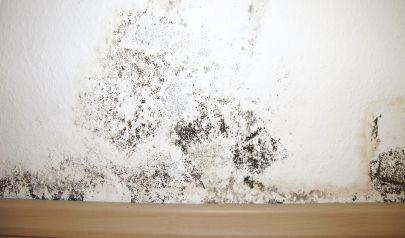
Consider this: mold requires moisture, warmth, and an organic surface to grow. For our professional remediation team, this describes nearly every attic and finished basement in Avon, Avon Lake, and North Ridgeville from October through June. Lake Erie keeps humidity higher than most homeowners realize, and newer construction in these suburbs introduces specific mold risks that should be understood before they become major issues.
Attic Mold and the Ventilation Problem
Many are surprised by attic mold, as it is often linked to standing water. In newer homes, however, attic mold typically results from poor ventilation. When bathroom exhaust fans, kitchen range hoods, or dryer vents terminate inside the attic instead of venting outside, they release warm, moist air onto the cold roof sheathing. This repeated exposure during fall and winter wets the wood, allowing mold to spread across the roof deck before it is detected.
Improperly terminated exhaust vents were common during the early 2000s construction boom, especially in rapidly built homes in Avon and North Ridgeville. Homeowners often discover this issue during a pre-sale inspection or when a roofer notices black discoloration on the sheathing. At that point, professional mold remediation is necessary.
Checking Your Attic Before Problems Develop
A brief look from the attic hatch during mild weather is well worth your time. Black or gray discoloration on the underside of the OSB or plywood sheathing, especially concentrated near roof penetrations or along the eaves, warrants an expert assessment. Also, check whether your bathroom fans connect to flexible corrugated tubing that simply ends in the attic. That single issue is the most common driver of attic mold our local technicians encounter on the west side.
Basement Mold and Vapor Drive
Finished basements on Cleveland’s west side are a significant investment. Mold hidden behind drywall or under carpet can compromise both the home’s structure and the health of its occupants. This issue often develops more quietly than homeowners anticipate.
In North Olmsted, Westlake, and newer Avon Lake developments, the leading cause of basement mold in finished spaces is vapor drive through the slab or below-grade block walls. Concrete does not block moisture; ground moisture moves through it continuously, especially in spring when soils are saturated. When vapor encounters impermeable surfaces, such as vinyl flooring glued to the slab or drywall installed tightly against block walls, it accumulates instead of escaping. This sustained moisture allows mold to thrive.
Finishing Details That Create Hidden Risk
Through numerous remediation projects in newer Cleveland suburbs, we have observed a consistent pattern. Framed walls installed directly against block or poured concrete, without an air gap, are highly susceptible to mold on the back of the drywall. Fiberglass batt insulation in these cavities traps condensation against the cold concrete, and carpet on an uninsulated slab similarly traps vapor at floor level. These practices are common in basement construction and are important to consider when assessing mold issues or planning renovations.
What Lake Erie Actually Does to Indoor Humidity
Our team closely monitors the lake’s impact on the regional climate. During the shoulder seasons, indoor relative humidity can exceed 60 percent for extended periods, even without visible leaks. This level of humidity is sufficient to support active mold growth on damp materials. In Avon and North Ridgeville, homes with tight building envelopes and finished basements are especially vulnerable, as high humidity and inadequate vapor management can quickly lead to severe mold problems.
The Professional Remediation Process
Regardless of location, our mold remediation process is consistent. We contain the work area to prevent spore spread, remove materials that cannot be treated, apply EPA-registered fungicidal treatments to structural surfaces, and confirm results with post-remediation moisture readings.
The corrective steps after cleaning differ by area. In attics, we address ventilation or reroute exhaust terminations outside. In basements, we recommend installing vapor barriers behind framed walls, using moisture-resistant drywall, and selecting flooring that accommodates vapor drive. Our technicians will discuss these considerations to help ensure a durable and safe result.
Frequently Asked Questions About Mold Remediation
How can I tell if the dark spots in my attic are mold? Black or dark gray discoloration on roof sheathing is suspicious, but only a professional assessment or testing can confirm the type of mold. If discoloration is present along with poor ventilation or bathroom fans venting into the attic, professional remediation is likely needed.
Can I use bleach to remove mold in my basement? No. Bleach only removes surface stains on non-porous materials and does not penetrate porous surfaces like drywall, wood framing, or concrete blocks. The water in bleach can actually feed the mold, causing it to return more aggressively.
Will my homeowners' insurance cover mold in the attic or basement? Coverage typically depends on the moisture source. Mold from a sudden, accidental event like a burst pipe may be covered. Mold from long-term maintenance issues, poor ventilation, or gradual groundwater seepage is usually excluded from standard policies.
Get an Honest Assessment Today
If you suspect mold in your attic or basement, or are buying or selling a home in Avon, North Ridgeville, Avon Lake, or the west side, contact us. We will inspect the space with you and provide an honest assessment.
Contact AdvantaClean of the West Side at (440) 568-0300 or visit our Google Profile.
AdvantaClean of the West Side Address: 31335 Industrial Pkwy Unit 1, North Olmsted, OH 44070 Phone: (440) 568-0300 Hours: Open 24 hours