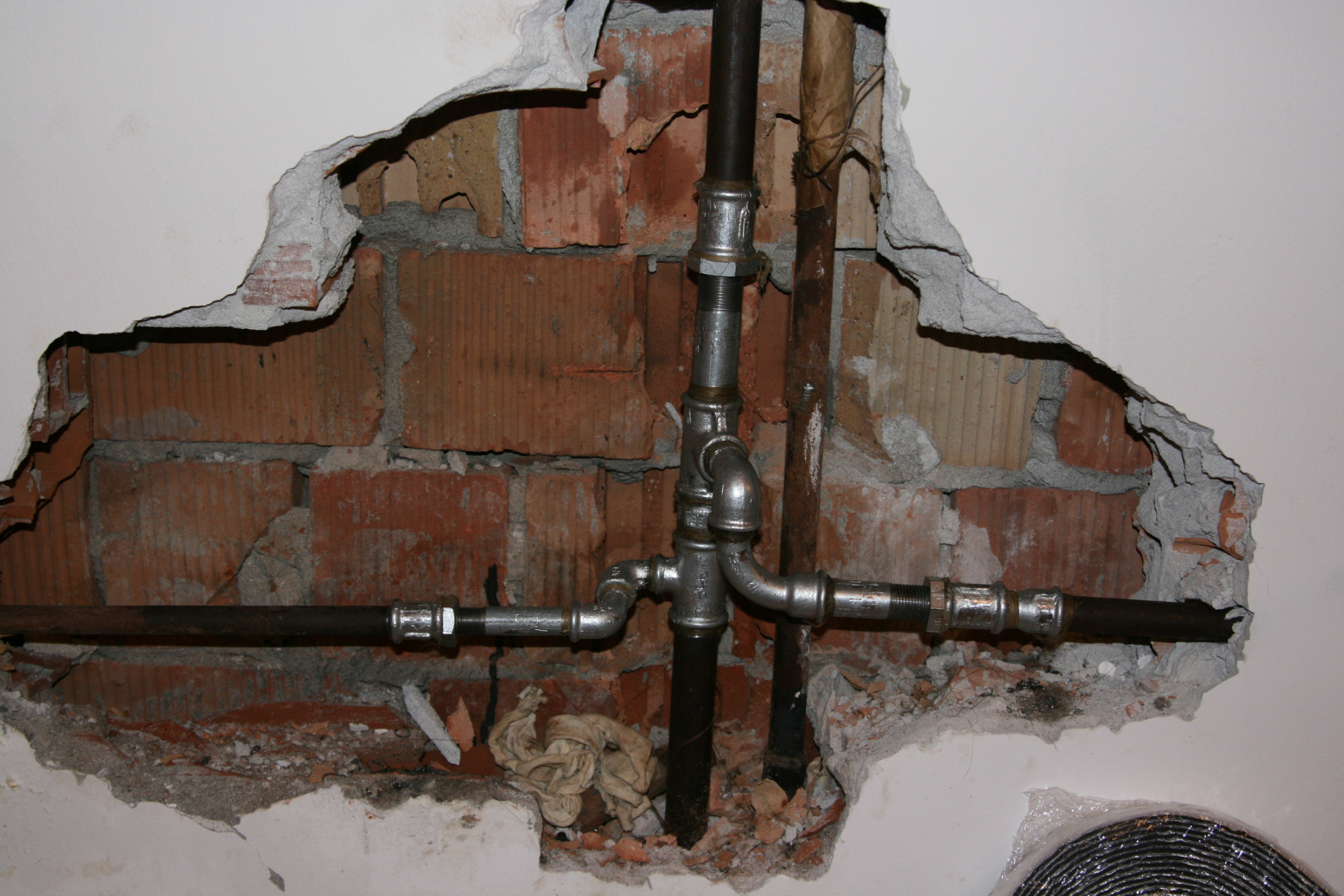
When water is spreading across your floorboards, panic is a completely normal reaction. Over the years, answering emergency calls across Cuyahoga and Lorain counties, I have seen almost every variation of indoor flooding imaginable. Some homeowners save thousands of dollars by taking three calm steps right away. Others create much larger problems by rushing to tear out materials before anyone has evaluated the structure.
If you are standing in a flooded hallway or basement right now, take a breath. Follow these safety priorities before you worry about cleanup.
1. Shut Off the Water Supply
Water spraying under pressure will easily dump several gallons per minute directly into your living space. Grabbing towels or a shop vac while the pipe is still feeding the puddle is fighting a losing battle.
-
Fixture isolation: If the break happened at a toilet supply line, washing machine hose, or under-sink angle stop, turn the small valve directly behind that fixture clockwise until it stops.
-
The main shutoff: For a burst copper or PEX line inside a wall or ceiling, head straight to your home’s main water valve. In most North Olmsted homes, this valve sits in the basement or utility room near where the city supply line enters through the foundation wall.
-
Safety first: If standing water has already pooled around your main shutoff and you cannot reach it without wading through deep water near appliances, step back. Do not put yourself in harm’s way to turn a valve.
2. Eliminate Electrical Hazards
Wet building materials conduct electricity easily. Entering standing water that touches floor outlets, extension cords, or low-mounted appliances like furnaces and water heaters is extremely dangerous.
Never walk through a wet room to get to your breaker panel. If your electrical panel is dry and safely accessible on a completely dry floor, switch off the circuit breakers feeding the flooded areas. If you cannot reach the panel safely, keep your family, children, and pets out of the affected rooms entirely. Once everyone is in a dry part of the house, move loose items like table lamps, area rugs, electronics, and cardboard storage boxes onto dry ground.
3. Resist the Urge to Tear Apart Drywall and Flooring
When water pours through a ceiling or pools along baseboards, many property owners immediately reach for a pry bar and utility knife. They assume cutting open walls right away will air things out.
Starting premature demolition usually complicates the recovery:
-
Adjusters need clear visual records: Your insurance adjuster wants to see the water’s original path. Tearing out wet drywall and carpet before documenting it can complicate your claim.
-
Moisture travels invisibly: Moisture often travels along wall studs, behind vapor barriers, and under subflooring in ways you cannot see from the outside. Guessing where to cut often leads to removing materials that could have been saved, while leaving damp wall cavities sealed up behind them.
-
Controlled drying works: Modern restoration uses targeted structural drying equipment to save framing, cabinetry, and subfloors without unnecessary demolition.
Calling a qualified water damage restoration service early lets trained crews map the full moisture boundary with thermal imaging and penetrating meters before any physical cuts occur.
What Professional Water Mitigation Looks Like on Arrival
Stopping active water is only step one. The real challenge is extracting deep moisture before mold spores can colonize damp drywall paper, wood framing, and carpet backing. Under normal indoor temperatures, mold can begin establishing itself on organic materials within 24 to 48 hours.
When our crew arrives, we begin by extracting standing liquid using heavy-duty vacuum units that pull significantly more moisture than residential shop equipment can handle. Once we remove free water, we inspect adjacent rooms. Water follows gravity and the path of least resistance, often traveling down plumbing chases into finished basements or pooling underneath laminate flooring across the hall.
We place commercial air movers and low-grain refrigerant dehumidifiers specifically calculated for the volume and materials in your home. Surface drywall might feel dry to your hand within twelve hours, but structural framing deep inside the wall cavity holds onto water much longer. We track daily meter readings to confirm the structure has reached its dry standard before removing the equipment.
Why West Side Homes Face Frequent Cold-Weather Pipe Breaks
Homes in North Olmsted, Westlake, and Lakewood share specific architectural traits that make them vulnerable to sudden plumbing leaks during northern Ohio winters:
-
Lake-effect freeze cycles: Rapid temperature drops off Lake Erie bring sub-zero wind chills that freeze supply lines running through exterior walls, unheated crawl spaces, and uninsulated overhangs.
-
Older plumbing infrastructure: Many mature neighborhoods in Lakewood and Bay Village feature original copper or galvanized supply piping that becomes brittle over decades of use.
-
Hidden basement runs: Finished basements common in North Ridgeville often conceal supply lines behind drop ceilings or drywall soffits, allowing small leaks to saturate insulation for hours before anyone notices.
Keeping cabinet doors open during severe cold snaps, insulating vulnerable pipe runs, and maintaining steady indoor heat when traveling are straightforward steps that prevent these emergency calls.
Frequently Asked Questions
Will my homeowners insurance cover a sudden burst pipe?
Standard policies typically cover sudden, accidental pipe bursts, but exclude slow, unaddressed leaks that run for months. Protect your claim by taking clear photos and video of the flooded area immediately, preserving the broken pipe section for the adjuster, and contacting your insurance agent promptly. We provide detailed moisture logs and psychrometric drying records directly to your adjuster to support your claim.
Can I dry wet carpeting and drywall using household box fans?
Box fans move room air across the surface, but they lack the static pressure needed to pull bound water out of dense padding, subfloors, and enclosed stud cavities. In fact, pointing standard household fans at wet building materials without commercial dehumidification can blow damp air into previously dry spaces, raising humidity and encouraging mold growth across the room.
How many days does the drying equipment usually run?
Most residential water mitigation projects require between three and five days of active drying. Dense building materials such as hardwood flooring, plaster, and double-layer drywall require steady, controlled airflow and dehumidification to release trapped moisture safely without warping.
When water starts spreading through your home, fast action protects your structure and keeps your family safe. For prompt local assistance across North Olmsted, Westlake, Bay Village, North Ridgeville, or Lakewood, call the team at (440) 568-0300. You can also view verified homeowner feedback on our Google Business Profile to learn how AdvantaClean of the West Side handles emergency water damage restoration across our local communities.
AdvantaClean of the West Side, OH
31335 Industrial Pkwy Unit 1, North Olmsted, OH 44070
(440) 568-0300
https://maps.app.goo.gl/haE7CZR17uQU6AfN6