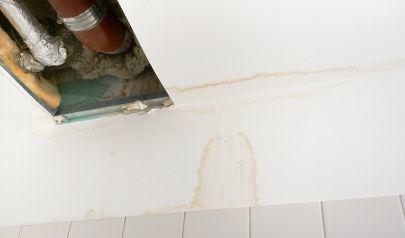
Many homeowners believe that once water is removed and surfaces appear dry, the problem is fully resolved. In Rocky River and surrounding Northeast Ohio communities, mold growth frequently occurs weeks after water damage events, when hidden moisture remains trapped in structural materials.
Our team at AdvantaClean of the West Side regularly works with homeowners who have successfully addressed visible water damage but later notice musty odors, changes in humidity, or the development of allergy symptoms indoors. These delayed mold problems often occur because moisture remains inside drywall, insulation, or flooring systems after initial cleanup.
Understanding how mold develops after water damage helps Rocky River homeowners protect their homes and indoor air quality long after flooding or leaks are resolved.
Why Mold Develops After Water Damage Seems to Be Gone
Water intrusion rarely dries evenly throughout a home. While surfaces may feel dry, moisture can remain trapped behind walls, beneath flooring, and inside insulation. Rocky River homes, especially those with finished basements or lake-influenced humidity levels, often experience this hidden moisture pattern.
Lake Erie’s seasonal moisture fluctuations contribute to humidity buildup that slows natural drying. Homes throughout Bay Village, Lakewood, and Westlake frequently experience mold growth when moisture remains inside materials following storms, sump pump failures, or plumbing leaks.
A professional mold inspection focuses on locating concealed moisture pockets before contamination spreads further.
Where Mold Commonly Appears After Water Damage in Rocky River Properties
Mold often develops in areas homeowners rarely inspect. Our technicians frequently identify post-water-damage mold behind basement drywall, beneath carpet padding, and within attic insulation, where moisture traveled during earlier flooding.
Homes across North Olmsted, Olmsted Falls, and North Ridgeville often contain layered flooring systems that trap water beneath finished surfaces. When humidity rises, these materials can support mold growth even when visible damage appears minimal.
Early inspection helps determine whether moisture levels remain elevated and whether remediation is necessary.
Why Mold Remediation Requires Controlled Removal Techniques
Mold remediation involves more than cleaning visible growth. Disturbing contaminated materials without containment can allow mold spores to spread throughout a home. AdvantaClean of the West Side uses containment barriers and air filtration systems designed to isolate affected areas during removal.
Mold remediation projects across Avon, Avon Lake, and Columbia Station also focus on identifying moisture sources responsible for growth. Without correcting ventilation or water intrusion problems, mold contamination can return.
The goal of remediation is to restore both structural stability and healthy indoor air conditions.
How Seasonal Maintenance Helps Prevent Mold Growth
Rocky River homeowners can reduce mold risks through routine home maintenance. Monitoring basement humidity, maintaining attic ventilation, and inspecting foundation drainage systems help prevent moisture buildup after storms and seasonal thaw periods.
Our team encourages homeowners throughout Cleveland, Brookpark, and Berea to perform seasonal moisture checks, especially following heavy precipitation or winter snowmelt. Preventative moisture control plays a major role in protecting homes from future mold contamination.
Warning Signs Mold May Be Developing After Water Damage
Delayed mold growth often begins with subtle warning signs. Persistent musty odors, discoloration along baseboards, and recurring humidity inside certain rooms can indicate hidden moisture problems. Homeowners should treat these changes as early alerts rather than waiting for visible mold patches to appear.
Professional inspection helps confirm whether moisture remains inside structural materials and prevents contamination from spreading further.
Questions Rocky River Homeowners Ask About Mold After Water Damage
Can mold grow even after water is removed
Yes. Mold can develop when moisture remains trapped inside building materials.
How soon can mold appear after water damage
Mold growth can begin within days if moisture conditions remain favorable.
Should homes be inspected after basement flooding or plumbing leaks
Inspection helps confirm moisture levels are stable and reduces mold risk.
When Post-Water Damage Mold Concerns Affect Your Rocky River Home
If your home in Rocky River or surrounding communities, including Avon, Avon Lake, Bay Village, Berea, Brookpark, Cleveland, Columbia Station, Grafton, Lagrange, Lakewood, North Olmsted, North Ridgeville, Olmsted Falls, Valley City, and Westlake experiences mold concerns following water damage, AdvantaClean of the West Side is ready to help. You can contact our team directly at (440) 568-0300.
AdvantaClean of the West Side, OH
31335 Industrial Pkwy Unit 1, North Olmsted, OH 44070
(440) 568-0300
https://maps.app.goo.gl/haE7CZR17uQU6AfN6