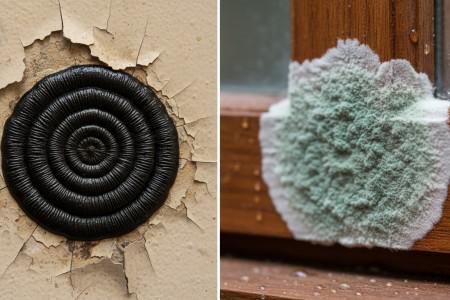
You spot dark growth on your bathroom ceiling or behind the washing machine. Your mind jumps to one terrifying phrase: black mold. News stories and internet forums have painted black mold as a toxic menace capable of causing severe illness. But is every dark colored mold actually the dangerous Stachybotrys chartarum? And how do you know when to call a professional versus when to simply clean and move on? For homeowners in Fort Lauderdale, Hollywood, Plantation, and across Broward County, understanding the difference between black mold and common household mold can save you from unnecessary panic or warn you when real danger exists.
What people mean by black mold
The term black mold causes confusion because it describes both a color and a specific species. When homeowners say black mold, they often mean any dark colored growth they find. But the mold that generates genuine concern is Stachybotrys chartarum, sometimes called Stachybotrys atra. This species produces mycotoxins that can cause health effects beyond typical mold allergies.
True black mold has distinct characteristics. It appears deep black or very dark greenish black with a slimy or wet look when actively growing. The texture is often described as gelatinous rather than fuzzy or powdery. Stachybotrys grows on materials with high cellulose content like drywall, paper, wood, and cardboard, and it requires prolonged moisture to establish a colony.
Regular household molds come in many colors and textures. Aspergillus often appears in shades of green, yellow, white, or black. Penicillium is typically blue green or yellowish green with a velvety texture. Cladosporium, one of the most common indoor and outdoor molds, appears olive green to brown or black. Alternaria is dark brown or velvety black with a fuzzy appearance common in showers and on windowsills.
The truth about black mold toxicity
Before you panic, understand what science actually says about Stachybotrys. The dramatic claims you may have read online are often exaggerated.
What black mold can do. Stachybotrys produces mycotoxins that some studies link to respiratory symptoms including coughing and wheezing, irritation of eyes, nose, and throat, skin rashes and itching, headaches and fatigue, and potential exacerbation of asthma. Sensitive individuals, including those with existing respiratory conditions, young children, and the elderly, may experience more noticeable reactions.
What black mold probably does not do. Dramatic claims about black mold causing memory loss, lung bleeding in infants, or severe neurological damage lack strong scientific support. While these stories circulate widely online, major health organizations have not found consistent evidence linking Stachybotrys to such severe outcomes in otherwise healthy people.
The real danger of Stachybotrys is not that it is uniquely toxic. The danger is that its presence indicates a serious moisture problem. Where black mold grows, you have persistent water intrusion, materials that have been wet for extended periods, potential structural damage from rot, and conditions that also support other harmful microorganisms. Black mold in Plantation, FL homes is a serious problem primarily because it signals underlying moisture issues that demand attention.
How to tell black mold from regular mold
You cannot identify Stachybotrys with certainty just by looking. Only laboratory testing can confirm the species. However, several clues help you distinguish between potentially problematic growth and common household mold.
Look at the color and texture
True black mold appears consistently dark, almost pitch black, with a wet or slimy surface. Regular dark molds often show hints of green, brown, or gray. They typically have a dry, powdery, or fuzzy appearance rather than a slimy one. If the growth looks like someone smeared dark grease on your wall, that texture points more toward Stachybotrys than common molds.
Consider where it is growing
Stachybotrys needs constant moisture and cellulose rich materials. You are more likely to find it on drywall, paper faced insulation, ceiling tiles, or cardboard that has stayed wet for days or weeks. Regular molds grow on a wider range of surfaces including tile grout, painted walls, shower curtains, fabrics, and wood trim. They can appear even with occasional dampness rather than continuous saturation.
Check the moisture history
Ask yourself how long the area has been wet. Stachybotrys typically requires prolonged moisture, often seven to ten days or more of continuous dampness. If the area gets wet occasionally but dries out between events, you are probably dealing with a different mold species. Hidden water damage in Hollywood homes that goes undetected for weeks creates ideal conditions for Stachybotrys.
Smell the area
While all mold can produce musty odors, Stachybotrys often gives off a particularly strong, earthy, or heavy smell. Some people describe it as smelling like dirt, rotting wood, or wet cardboard. However, relying on smell alone is not reliable for identification.
When to panic versus when to clean
The question every homeowner really wants answered: do I need to panic? The honest answer is almost never. But you do need to respond appropriately based on the situation.
Situations that require professional help
You should call a mold remediation professional rather than attempting DIY cleaning in several scenarios. If the affected area is larger than about ten square feet, professional handling is recommended to prevent spore spread. If the mold is inside your HVAC system or ductwork, you need professional cleaning because the system will otherwise circulate spores throughout your home. If the mold resulted from sewage, floodwater, or other contaminated water sources, professional remediation is essential for health and safety. If you have confirmed or strongly suspect Stachybotrys on porous materials like drywall or insulation, those materials usually need professional removal. And if anyone in your home has severe allergies, asthma, or a weakened immune system, professional remediation provides the safest outcome.
Attic mold remediation is almost always a job for professionals because attics contain complex structures and insulation that DIY methods cannot properly address.
Situations you can handle yourself
Small patches of mold, less than about three feet by three feet, on non porous surfaces like tile, glass, metal, or sealed concrete can often be cleaned by homeowners. Use proper protection including N95 mask, gloves, and eye protection. Clean with soap and water, then apply a solution of white vinegar or a commercial mold cleaner labeled for household use. Never mix cleaning products. Dry the area completely after cleaning. If the mold returns quickly, that tells you the moisture source remains unaddressed.
What never works
Bleach is not an effective mold killer on porous surfaces. It bleaches the color away but leaves water behind that can actually feed deeper mold growth. Painting over mold is also ineffective and irresponsible. The mold continues growing beneath the paint, eventually breaking through and causing worse damage. Mold removal in Weston, Florida homes is not instantaneous and requires proper process, not quick fixes.
The health question: Are your symptoms from mold?
Many people worry that unexplained symptoms must be from black mold. The reality is more nuanced.
Mold related symptoms typically include nasal congestion, sneezing, coughing, throat irritation, watery or itchy eyes, and skin irritation. These symptoms resemble seasonal allergies. They often improve when you leave the home and worsen when you return. They may affect multiple family members rather than just one person.
If you have symptoms that seem tied to time spent at home, a medical evaluation makes sense. An allergist can test for mold sensitivity. However, do not assume every headache or bout of fatigue comes from mold. Many other factors including stress, poor sleep, and other indoor air pollutants can cause similar complaints.
Preventing mold problems before they start
The best way to avoid the black mold versus regular mold question is to prevent both from growing.
Control humidity throughout your home. Keep indoor relative humidity between forty five and fifty five percent. In South Florida, that almost always requires dehumidifiers alongside air conditioning. Vent bathrooms, kitchens, and laundry areas to the outside. Fix any plumbing leaks immediately, even small drips. Dry any wet areas within twenty four to forty eight hours. Clean and maintain your HVAC system, including condensate drains. Ensure your attic has adequate ventilation to prevent condensation.
If your home has experienced water damage, thorough drying is essential. Knowing what to do immediately after a flood in your Pompano Beach property can prevent mold from ever establishing itself.
Frequently asked questions about black mold
Can I tell if mold is black mold just by looking at it?
No. Only laboratory testing can confirm Stachybotrys. Many harmless molds appear black or dark colored. Visual inspection provides clues but not certainty.
Is all black colored mold dangerous?
Not at all. Most dark colored molds are common species like Cladosporium that primarily cause allergic reactions in sensitive people. They do not produce the mycotoxins associated with Stachybotrys.
Should I test my mold to find out what species it is?
Testing is usually unnecessary. Professional remediation focuses on removing all mold regardless of species. The health response and cleanup process are essentially the same. Testing may be useful for medical documentation or legal purposes but rarely changes the remediation approach.
How quickly does black mold grow after water damage?
Stachybotrys typically requires seven to fourteen days of continuous moisture to establish. Other molds can appear within twenty four to forty eight hours. The faster you dry after water damage, the less chance any mold has to grow.
Can I stay in my home if I have black mold?
For small, contained areas, staying is usually fine. For extensive growth or if family members have respiratory conditions, consider temporary relocation during remediation. Your remediation professional can advise based on the specific situation.
Does homeowners insurance cover black mold remediation?
Coverage varies widely. Many policies exclude mold damage or have low sub limits, often between one thousand and ten thousand dollars. Some policies cover mold when it results from a covered water loss like a burst pipe but not from chronic humidity or neglected leaks. Read your policy and talk to your agent.
The bottom line: Respond, don't panic
Finding dark mold in your home is unsettling. But panic helps nothing. The vast majority of mold growth, even dark colored growth, does not represent a health emergency for healthy people. What matters is identifying the moisture source, fixing it, and properly removing the mold.
If you see a small patch of dark mold on a non porous surface in a bathroom or laundry room, clean it yourself with proper protection and address the humidity or ventilation issue. If you see extensive growth, mold on drywall or insulation, or signs of long term water damage, call professionals. And regardless of the species, remember that mold is a symptom of moisture. Fix the moisture, and you fix the problem.
Need help identifying or removing mold in your Fort Lauderdale home?
If you have discovered mold and are unsure whether it requires professional attention, the team at AdvantaClean of Fort Lauderdale can help. We provide thorough inspections, accurate assessments, and professional remediation that removes mold completely and addresses the underlying moisture issues that caused it.
Do not let fear of black mold keep you from taking action, and do not assume every dark spot is a crisis. Get the facts, get professional advice, and get your home back to healthy.
Visit AdvantaClean of Fort Lauderdale on Google Maps to see our location and read reviews from local homeowners. Then request service online to schedule an inspection. Our certified technicians will give you honest answers and effective solutions. Your peace of mind is worth the call.