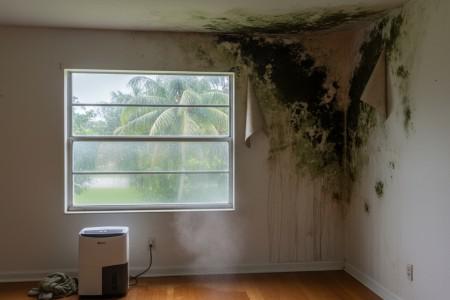
High humidity is a year-round issue in Davie. Warm air holds moisture, and once that moisture settles inside walls, floors, closets, or insulation, mold growth becomes harder to control. Many homeowners do not notice anything until a ceiling stain appears, or a musty smell starts to spread.
Mold thrives anywhere with moisture and poor airflow. In Davie, extra humidity often comes from air conditioning problems, roof leaks, plumbing issues, or everyday activities like cooking and showering. The longer humidity remains trapped indoors, the faster mold spreads.
Why Davie homes experience indoor humidity problems
Several local factors increase indoor moisture:
-
Long periods of heat and rain
-
Homes built with sealed windows that reduce ventilation
-
Air conditioning systems that cycle air but fail to remove moisture
-
Water intrusion from storms or roof leaks
Moisture issues often remain hidden. Homeowners in nearby cities have dealt with similar problems, and the solution usually involves finding where the humidity comes from.
How humidity creates ideal conditions for mold
Mold needs three things to grow: moisture, organic material, and time. High humidity provides the moisture. Drywall, wood, insulation, and dust provide the organic material. Once humidity stays above 60 percent, mold starts developing on surfaces that look clean on the outside.
Homes that recently experienced water damage are at higher risk. If the drying process was rushed, moisture can stay inside walls and flooring. Immediate extraction and structural drying aim to stop this outcome. You can see how proper drying protected a nearby home here.
Common signs of humidity-driven mold in Davie
-
A damp smell in closed rooms or closets
-
Black, green, or brown spots on walls or ceilings
-
Condensation inside cabinets
-
Peeling paint or bubbling drywall
-
Allergies that worsen indoors
Many homeowners first notice mold near bathrooms, A/C closets, attics, or under flooring.
Why DIY cleaning does not solve the problem
Store-bought cleaners only wipe the surface. They do not remove mold inside drywall or insulation. In some cases, scrubbing sends more spores into the air, which spreads the contamination. The safest approach is professional remediation with containment, filtration, and proper disposal.
If mold resulted from water intrusion, the property often needs both remediation and drying. Local storms have caused similar situations in coastal areas. You can see a breakdown of fast recovery steps here.
Professional mold remediation: what the process includes
A licensed team follows these steps:
-
Inspection and moisture readings
-
Containment to protect clean areas
-
HEPA filtration for airborne spores
-
Removal of contaminated materials
-
Safe disposal
-
Cleaning and disinfecting
-
Dehumidification to stop regrowth
If the A/C system is affected, ducts and air handlers require cleaning. Mold inside HVAC systems spreads quickly to every room.
Preventing mold in Davie homes
Prevention focuses on moisture control:
-
Keep indoor humidity under 50 percent
-
Change A/C filters
-
Fix roof or plumbing leaks fast
-
Use bathroom and kitchen ventilation
-
Schedule routine HVAC maintenance
-
After storms, check attics and ceilings for damp spots
If moisture becomes a constant problem, a dehumidifier or improved ventilation may be required.
How storms increase indoor humidity in Davie
Heavy rain pushes moisture into attics, exterior walls, and window frames. Even when a roof leak looks minor, moisture can sit inside insulation for weeks. If drying does not start fast, mold follows.
Local neighborhoods near open fields and canals deal with high ground moisture after long rain periods. When outside humidity is high, homes take longer to dry.
When storms hit, a professional inspection helps confirm if moisture is trapped behind walls or ceilings. Thermal imaging and moisture meters find hidden problems before mold spreads.
The impact of humidity on indoor air quality
Once mold spores enter the air, indoor air quality starts to decline. Families notice stronger allergies, eye irritation, or coughing. Children and older adults are more sensitive to changes in air quality.
Indoor air problems spread faster when the HVAC system pulls humid air through the home. When contamination reaches ducts, each cooling cycle moves spores into living spaces. The safest approach is to clean or replace affected ductwork and filter screens.
You can see how indoor air quality changes during water damage cleanup here.
Why fast action protects property value
Mold hurts the structure and the long-term value of a home. Delays turn a small cleanup into drywall removal, insulation replacement, duct cleaning, or flooring repairs. Home insurers often require proof of professional remediation, especially after storms.
When moisture comes from a plumbing failure, drying must start early to avoid full demolition.
Professional remediation helps owners avoid repeat outbreaks. When the structure dries, mold stops spreading, and humidity returns to a safe level.
When to call a professional
A professional inspection makes sense when:
-
Mold keeps returning after cleaning
-
The smell gets stronger
-
A roof or plumbing leak caused water intrusion
-
Family members experience indoor allergy symptoms
-
Visible mold covers more than a small section of a wall
If mold started after a storm, fast response protects the structure. Homes in Broward that received rapid drying services avoided major repairs, as shown here.
FAQ
Why does mold return after I clean it?
Moisture remains inside walls, floors, or the HVAC system. If humidity stays high, mold grows again.
Does bleach remove mold?
Bleach removes surface stains. It does not eliminate mold in porous materials like drywall or insulation.
Should I inspect my home even if I see no visible mold?
Yes, when humidity stays high or you smell a persistent musty odor.
Can mold spread through air conditioning?
Yes. Once spores enter the HVAC system, airflow circulates them through every room.
Professional help for Davie homes
Humidity is part of life in South Florida, but indoor mold does not have to be. AdvantaClean of Fort Lauderdale provides mold remediation, moisture control, and post-storm restoration for homeowners in Davie and nearby communities. When moisture is removed and the structure is dried correctly, the problem stays under control.
To schedule an inspection or request emergency service, call AdvantaClean of Fort Lauderdale.