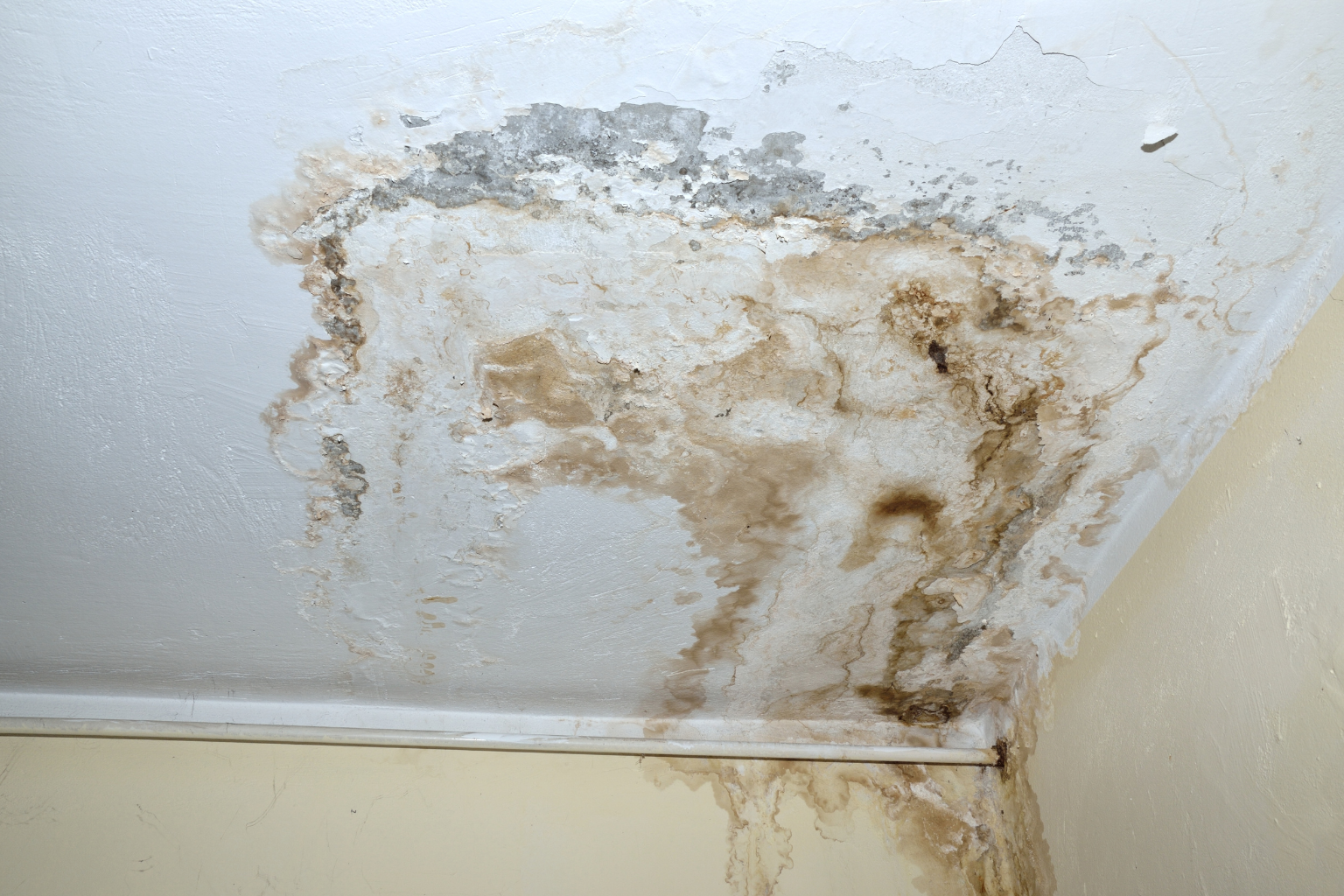
A Pompano Beach homeowner called us last spring after her HVAC tech found something unexpected during a routine tune-up. He had pulled off an access panel near a bathroom and found mold colonizing the wood framing behind it. She had no idea it was there. No smell, no visible spots, no staining on the walls. The bathroom was perfectly clean. The damage was behind it.
That is not an unusual story here. Pompano Beach sits close enough to the ocean that the air carries a persistent saltiness, and salt is hygroscopic, meaning it pulls moisture from the surrounding environment and holds it against whatever surface it touches. Building materials in coastal Broward County face a steady, low-level moisture load that never really lets up, even between rain events. Pair that with summer humidity that regularly pushes past 80 percent indoors when the AC is struggling, and you get conditions that favor mold growth almost year-round.
Where Mold Actually Shows Up in Broward County Homes
The locations that generate the most mold calls in Fort Lauderdale, Pompano Beach, and Cooper City tend to follow a predictable pattern. Bathroom walls where the exhaust fan does not move enough air, so steam builds up behind tile and grout. Ceilings below second-floor bathrooms where a wax ring or supply line has been seeping slowly for months. The bottom foot of drywall near sliding glass doors, where storm-driven rain finds its way past old weatherstripping. Attic spaces where a roof penetration failed, and wet insulation has sat against the decking through multiple summer seasons.
Condos in Pompano Beach have their own version of this problem. Top-floor units deal with roof-origin moisture. Ground-floor units often have slab moisture migration, especially in older buildings. In either case, the moisture source may be in a common area the individual owner doesn't control. In that case, remediation inside the unit is only part of the answer. Documenting the origin and communicating with building management are the other parts, and they matter for how the remediation gets paid for.
What Bleach Does and Does Not Do
This comes up on almost every call we take. Someone has already tried to clean the visible mold with bleach or a store-bought spray and wants to know if that handled it. The short answer is: probably not, and here is why.
Bleach kills mold on non-porous surfaces. On glass, glazed tile, or a sealed concrete floor, it can be effective. On drywall, wood framing, or insulation, bleach evaporates before it penetrates the surface layer. The visible mold disappears, but the colony’s root structure, called hyphae, remains embedded in the material. Within a few weeks, often sooner in South Florida’s conditions, the surface growth is back. And the underlying moisture source that fed it the first time has usually not been addressed.
Bleach also does not improve air quality. Active mold colonies release spores continuously. By the time growth is visible on a surface, spore concentrations in the surrounding air are already elevated. Surface cleaning does not change that.
What Proper Remediation Looks Like
A legitimate mold remediation job starts before anyone picks up a tool. The first step is understanding the full scope of the problem, which requires moisture mapping and inspection rather than assumptions based on what is visible. Thermal imaging identifies areas of elevated moisture content inside walls and ceilings without opening them up. Moisture meters confirm the readings at multiple depths. Air quality sampling identifies which species are present and at what concentration, informing the remediation protocol and providing a baseline for clearance testing afterward.
Containment Before Removal
Once the scope is established, the team contains the work area before any removal begins. Physical barriers, negative air pressure, and HEPA filtration keep spores from spreading to unaffected areas of the home during the work. This is not optional. Disturbing a mold colony without containment releases a significant spore load into the air and can create new growth areas in parts of the home that were not originally affected.
We remove affected porous materials, drywall sections with significant penetration, and wet insulation rather than treating them in place. We physically remove wood framing with surface growth, then treat it with an EPA-registered antimicrobial product. The area is dried to verified moisture content levels. Then an independent industrial hygienist conducts clearance testing to confirm fungal ecology in the treated space has returned to normal ranges before rebuilding begins.
Frequently Asked Questions About Mold in South Florida
How fast can mold grow after a water event?
In Pompano Beach’s summer conditions, active colonization on wet porous materials like drywall or wood can begin within 24 to 48 hours. Extracting water and starting drying quickly is the most effective way to keep water damage from becoming a mold problem.
Will my homeowner’s policy cover mold remediation?
Florida policies vary significantly on mold. Remediation that results directly from a covered water loss, like a burst pipe, is often covered up to a specified limit. Mold from slow leaks or deferred maintenance is frequently excluded. Documenting when the water intrusion started and what caused it matters a great deal during claims processing.
How do I know if there is mold behind my walls?
A musty smell that persists even after cleaning is the most reliable indicator. Respiratory symptoms that improve when you leave the home for a few days suggest elevated indoor spore counts. Soft or discolored drywall, a history of water intrusion, or visible condensation problems are all reasons to have a professional inspection before assuming everything is fine.
If any of that sounds familiar, AdvantaClean of Fort Lauderdale does mold inspections and full remediation throughout Pompano Beach, Fort Lauderdale, Weston, Deerfield Beach, and Cooper City. Search Google to see what local homeowners and condo owners have said. Phone: (513) 810-5343.
AdvantaClean of Fort Lauderdale, FL
236 NE 33rd St, Oakland Park, FL 33334
(954) 994-2947
https://maps.app.goo.gl/nv2Q3gaR4yumLsj8A