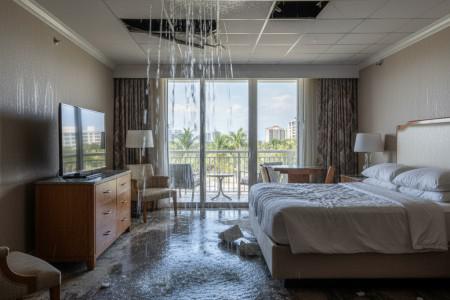
Fire sprinklers are designed to save lives. They stop flames before they spread and protect entire buildings from catastrophic fires. But when they activate, sprinklers release large amounts of water in a short time. For hotels and condominiums in Fort Lauderdale, this often leads to severe water damage.
Owners and property managers must understand how sprinkler systems cause water damage, what to do when it happens, and why professional restoration is essential.
Why fire sprinklers cause major water damage
A single sprinkler head can release 20 to 40 gallons of water per minute. In large hotels and high-rise condos, multiple sprinklers often activate at once. Within minutes, carpets, drywall, ceilings, and furnishings can become saturated.
Unlike a small plumbing leak, sprinkler discharges affect multiple floors. Water follows gravity, moving through hallways, stairwells, and elevator shafts. This makes containment and drying difficult without professional equipment.
Common areas affected in Fort Lauderdale hotels and condos
Hotels and condos share features that make sprinkler-related water damage more complex than in single-family homes:
-
Lobbies and common areas: Water can spread quickly through open layouts.
-
Guest rooms and condos: Furniture, bedding, and personal items absorb moisture fast.
-
Elevators: Water intrusion can damage control systems and motors.
-
Mechanical rooms: Electrical panels and HVAC systems are highly vulnerable.
-
Hallways and stairwells: Water often pools in these pathways, creating slip hazards.
These damages require more than surface cleanup. They demand comprehensive restoration to prevent hidden moisture problems.
Risks of untreated sprinkler water damage
If water is not removed and dried quickly, hotels and condos face significant risks:
-
Mold growth: Within 24 to 48 hours, mold can begin growing in carpets, walls, and ceilings. Learn more about how fast mold spreads.
-
Structural weakening: Wood framing and drywall lose integrity when soaked.
-
Electrical hazards: Moisture in outlets and wiring increases the risk of fire after the fact.
-
Guest and resident health issues: Poor indoor air quality and mold exposure can affect respiratory health.
-
Business interruption: Closed rooms and facilities lead to lost revenue and dissatisfied customers.
Immediate steps after a sprinkler discharge
When sprinklers go off, timing is critical. Property managers should:
-
Shut off the sprinkler system once the fire threat is contained.
-
Evacuate affected areas until water and electrical hazards are under control.
-
Call a professional water damage restoration company to begin extraction and drying.
-
Document the damage with photos and reports for insurance claims.
-
Communicate with guests and residents to ensure safety and minimize panic.
Hotels and condos in Fort Lauderdale often deal with high occupancy. A quick and organized response can reduce downtime and protect reputation.
Professional water damage restoration: How it works
Companies like AdvantaClean of Fort Lauderdale use specialized equipment and proven processes to handle sprinkler water damage:
-
Water extraction: Industrial pumps and vacuums remove standing water quickly.
-
Drying and dehumidification: Air movers and commercial dehumidifiers reduce moisture in walls, floors, and ceilings.
-
Moisture detection: Infrared cameras identify hidden water behind walls and under floors.
-
Sanitization: Surfaces are cleaned and treated to prevent mold and odors.
-
Reconstruction: Damaged drywall, flooring, and finishes are repaired or replaced.
This process ensures full recovery, not just surface drying. For a deeper overview, see the ultimate guide to water damage restoration.
Special considerations for high-rise condos and hotels
Fort Lauderdale is known for luxury high-rises and large hospitality properties. These buildings present unique challenges:
-
Vertical spread of water: Sprinkler discharges on upper floors often damage multiple units below.
-
Shared walls and ceilings: Moisture travels between units, complicating cleanup.
-
Elevator safety: Water-damaged elevators must be inspected before use.
-
Insurance complexity: With multiple owners and stakeholders, claims require detailed documentation.
Only experienced restoration teams with large-loss capabilities can manage these situations effectively.
Preventing future sprinkler-related water damage
While sprinkler systems must remain active for fire safety, preventive measures help limit damage:
-
Regular maintenance: Inspect sprinkler systems for leaks or malfunctions.
-
Compartmentalization: Seal penetrations between walls and floors to slow water movement.
-
Quick shutoff training: Staff should know where sprinkler control valves are located.
-
Emergency response plans: Hotels and condos should have a protocol for evacuation, water shutoff, and restoration calls.
These steps help reduce both financial and operational impact during future incidents.
Insurance and liability for sprinkler water damage
Insurance coverage varies depending on the policy and property type. Most commercial policies cover water damage from sprinklers, but exclusions exist. Owners and managers should:
-
Review coverage limits and deductibles.
-
Keep updated inventories of furnishings and fixtures.
-
Document routine maintenance of fire safety systems.
-
File claims promptly with full photographic evidence.
A well-documented claim speeds recovery and reduces disputes with insurers.
Case example: Fort Lauderdale hotel incident
In a recent case, a beachfront hotel in Fort Lauderdale suffered major water damage after sprinklers activated due to a kitchen fire. Multiple guest floors flooded. The hotel had to close 40 rooms for three weeks.
Because management contacted a professional restoration company immediately, water was extracted within hours. Mold growth was prevented, and reconstruction finished faster than expected. Insurance covered most of the costs, but the incident highlighted the importance of having a rapid response plan.
FAQ: Fire sprinkler water damage in Fort Lauderdale
How much water do fire sprinklers release?
One sprinkler head can release 20 to 40 gallons per minute, often flooding an area within minutes.
Can sprinkler water cause mold growth?
Yes. Mold starts growing within 24 to 48 hours if water is not removed and dried completely.
Are hotels responsible for guests’ belongings after sprinkler damage?
Policies vary, but many hotels assume some liability. Guests should also file claims with their own insurance if applicable.
How long does restoration take after a sprinkler discharge?
Minor cases may take a few days. Large hotel or condo projects often require several weeks for full drying and reconstruction.
Should sprinkler systems ever be disabled to prevent water damage?
No. Fire safety is the priority. Instead, focus on rapid shutoff and professional restoration when needed.
Protecting Fort Lauderdale hotels and condos from water damage
Sprinklers save lives, but they also cause extensive water damage. For hotels and condominiums in Fort Lauderdale, preparation and rapid response are the difference between minor disruption and major financial loss.
AdvantaClean of Fort Lauderdale specializes in water damage restoration, mold remediation, and disaster response for commercial and residential properties. If your property has been affected by sprinkler discharge, call us for fast and reliable service.
Learn more on our Google Business Profile or explore our blog for expert resources on professional drying techniques. Protect your investment and ensure a safe environment for residents and guests.