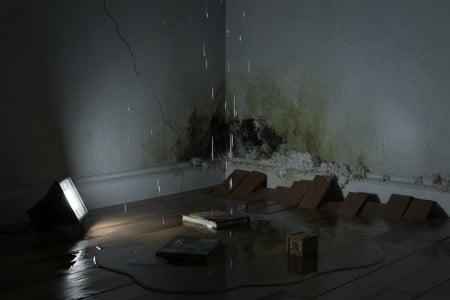
You discover water where it should not be. Maybe it is a small puddle under the kitchen sink. Maybe a dark stain spreading across the living room ceiling. Maybe you step onto a soaking wet carpet after a heavy storm. In that moment, you have a choice. You can act immediately, or you can tell yourself it is not that bad and deal with it tomorrow.
That tomorrow mindset is expensive. Water damage does not wait politely for you to find time in your schedule. Every hour you delay, multiple things inside your home are quietly getting worse. Some of that damage becomes permanent within a day or two. Understanding exactly what happens minute by minute and hour by hour might convince you to pick up the phone right now instead of after breakfast.
The first few hours: What you cannot see yet
In the first hour after water intrudes, most of the damage is invisible. The water is still sitting on top of floors or running across surfaces. You can see exactly where it is. That gives you a false sense of control. You think, I will grab some towels and soak it up. Problem solved.
But water is sneaky. Within the first hour, it is already finding paths through cracks, along baseboards, and under door thresholds. It seeps into the seams of your flooring. It wicks up into drywall edges. It travels along electrical wires and plumbing pipes inside your walls. You cannot see any of this happening, but the clock is ticking.
By hour three, water has penetrated porous materials. Your drywall, which acts like a sponge, has started absorbing moisture from the bottom edge upward. That beautiful hardwood floor has begun taking on water through its unfinished underside. The padding beneath your carpet is now wet, and carpet padding is essentially a sponge designed to hold moisture.
Most homeowners do not even know there is a problem at hour three. The water on the surface might be gone, cleaned up with towels and a wet vacuum. But the hidden moisture remains, and that hidden moisture is already doing its work.
The twelve hour mark: When visible damage begins
Once you pass half a day, the hidden damage starts announcing itself. You might notice a musty smell developing. That is not your imagination. It is the first warning that mold spores, which exist everywhere in your home, have found the wet materials and begun germinating.
The flooring that seemed fine now feels slightly different under your feet. Hardwood planks may show the first hints of cupping, where the edges rise higher than the center. Laminate flooring might have tiny gaps appearing between planks as the swollen edges push against each other.
Your drywall, which absorbed moisture from below, now shows a faint water line. It looks like a shadow or a smudge. Many homeowners mistake this for a stain that will dry out and disappear. It will not. The gypsum inside the drywall has begun breaking down. Even after drying, that drywall will never regain its original strength.
The subtle signs of hidden water damage in your Hollywood home often appear within this twelve hour window. A slightly warped baseboard. A door that now sticks when you close it. A floor that creaks in places it never creaked before.
The twenty four hour turning point
One full day of moisture changes everything. Mold growth is now established. Not just a few spores, but active colonies feeding on wet organic materials. The musty smell is stronger and more persistent.
Your drywall has absorbed water like a sponge reaching its capacity. The paper facing on the drywall is now wet, and that paper is mold food. The gypsum core has softened. If you press gently on the wall near the floor, you might feel it give way slightly. That wall is compromised.
Wood materials are in trouble. Floor joists, subflooring, and structural framing that got wet have begun the process of swelling and weakening. While a single day of moisture usually does not cause permanent structural damage, it does create conditions that require professional drying equipment to reverse.
Carpet padding is now saturated. Most carpet padding cannot be saved once wet for twenty four hours. It acts as a reservoir, holding moisture against the subfloor and creating a perfect environment for mold growth between the pad and the wood below.
Water damage repairs that protect your Cooper City home become significantly more extensive after that first day. What might have been a simple drying job now requires material removal.
Forty eight hours: The point of no return for many materials
At two days, the situation changes from salvageable to replaceable. Many common building materials cannot be effectively dried after forty eight hours of continuous wetness.
Drywall that remains wet for two days has typically wicked moisture several feet above the water line. The paper backing has begun delaminating from the gypsum core. Mold growth is visible on the surface in many cases. Professional restoration companies will almost always recommend cutting out and replacing wet drywall after forty eight hours. Drying it in place leaves behind contaminants and weakened material.
Insulation inside walls is now a total loss. Fiberglass batts that get wet lose their insulating properties even after drying. The paper backing is moldy. Cellulose insulation turns into wet clumps that never fully dry. Both need removal and replacement.
Hardwood flooring faces a grim outlook. Cupping has progressed to visible warping. The boards may have started separating from the subfloor as the wood expands. While some high end hardwood can be dried and sanded flat, the cost of professional drying often exceeds the cost of replacement.
Your subfloor, the plywood or oriented strand board beneath your finished floor, is now wet through. Subflooring can often be saved if dried quickly, but at forty eight hours, the risk of delamination and soft spots increases dramatically.
Knowing what to do immediately after a flood in your Pompano Beach property means understanding that the forty eight hour mark is your deadline for professional intervention if you want to save certain materials.
Beyond seventy two hours: Permanent damage territory
Once water has been present for three days or more, you are no longer dealing with water damage alone. You are dealing with mold damage, structural damage, and potential health hazards.
Mold colonies have matured and begun releasing large numbers of spores into your indoor air. Those spores settle on other surfaces, including your furniture, your clothing, and your HVAC system. Cross contamination has begun. Even after you remove the original wet materials, you may find mold growing in other areas of your home.
Structural wood, including floor joists, wall studs, and sill plates, may have absorbed enough moisture to support fungal growth that actually consumes the wood. This is not surface mold. This is wood rot, a biological decay process that weakens the structural integrity of the lumber. Rot is permanent. Once wood fibers have been consumed, no amount of drying restores strength.
Electrical systems become concerning. Water that has wicked up inside walls can reach electrical outlets, switches, and junction boxes. Corrosion begins on wire connections. Even after everything dries, that corrosion creates resistance and heat, potential fire hazards down the road.
Your HVAC system has likely pulled moisture and mold spores into the ductwork. Every time the system runs, it spreads that contamination throughout your home. Professional duct cleaning becomes necessary, not optional.
At this stage, the difference between a mitigation project and a restoration project is vast. Mitigation means drying, cleaning, and saving most of your home. Restoration means tearing out, rebuilding, and replacing. The cost difference is measured in thousands or tens of thousands of dollars.
Why waiting costs more than you think
Homeowners often delay calling professionals because they worry about the cost of emergency service. That is backward logic. The emergency service is expensive because it saves your house. Waiting to save money on the mitigation bill guarantees you will spend far more on reconstruction later.
Consider a simple example. A small leak from a washing machine supply hose wets a four foot by four foot area of drywall and carpet. Call someone immediately. They extract the water, set up drying equipment, and save both the drywall and the carpet. Total cost might be five hundred to one thousand dollars.
Wait twenty four hours. The drywall is now compromised. The carpet padding is ruined. The technician tells you the bottom two feet of drywall needs replacement, and the carpet needs new padding. Cost jumps to two thousand dollars or more.
Wait forty eight hours. Mold has started growing. The subfloor is wet. Now you are replacing drywall, carpet and pad, and possibly subflooring. You need mold remediation in addition to drying. Cost could be five thousand dollars or more.
Wait a week. The mold has spread behind the walls. The wood studs may need treatment or replacement. Your insurance adjuster is involved. You are staying in a hotel because the smell is unbearable. Cost? Ten thousand dollars or more, plus the inconvenience and health concerns.
What you should do right now
If you have active water damage in your home, the single best thing you can do is stop waiting. Turn off the water source if it is a plumbing issue. Move furniture away from wet areas. Take photos for insurance. Then call a professional water damage restoration company.
Do not try to dry everything yourself with fans and a dehumidifier. Consumer equipment lacks the power to dry inside wall cavities and under flooring. You will dry the surface while leaving the hidden moisture that causes all the problems described above.
Do not assume that because the water looks clean, you are safe. Clean water becomes gray water within hours as it contacts flooring materials, dust, and other contaminants. Gray water becomes black water within a day or two, carrying bacteria and other pathogens.
Do not wait to see if the stain dries on its own. It will not. The stain is evidence of damage already done. Every hour you wait, that damage spreads further into materials you cannot see.
Frequently asked questions about water damage delays
How long do I really have before mold starts growing after water damage?
Mold can begin forming in as little as twenty four to forty eight hours under warm, humid conditions. In South Florida, where humidity is almost always high, you should assume the clock is even shorter. That is why professional drying must begin within the first day to prevent mold from establishing. Once mold appears, the job changes from simple water extraction to mold remediation, which is more expensive and time consuming.
Can I just open windows and run fans to dry everything myself?
Fans and open windows dry only the surface of materials. Water inside wall cavities, under flooring, and behind baseboards needs professional extraction equipment and desiccant dehumidifiers to remove. Consumer fans actually circulate humid air in many cases, which can make the problem worse. Professionals use moisture meters to verify that hidden areas are dry, something you cannot do by feel or sight.
Will my insurance cover water damage if I wait too long to call?
Insurance policies typically require homeowners to take reasonable steps to prevent further damage after a loss. Waiting too long to call a professional can be considered negligence, and the insurance company may reduce or deny coverage for the resulting damage. Most policies also have time limits for filing claims. Acting immediately protects both your home and your claim.
What is the difference between clean water and contaminated water damage?
Clean water from a burst pipe or overflowing sink is much easier and cheaper to remediate than contaminated water from sewage backups, floodwater, or standing water that has sat for days. Once clean water sits for more than forty eight hours, it is generally considered contaminated because of bacterial growth. That classification change can affect what materials need to be discarded rather than dried and saved.
How can I tell if my drywall needs to be replaced or can be saved?
Softness, bubbling paint, or a visible water line above the floor usually means replacement is necessary. Professional restorers use moisture meters to measure the moisture content deep within the drywall. If the gypsum core has absorbed water and softened, drying will not restore its structural integrity. Cutting out the wet section and replacing it is the only safe long term solution.
Do not let another hour pass
You have read what happens hour by hour when water sits in your home. The difference between a simple drying job and a major reconstruction project often comes down to how quickly you act. The team at AdvantaClean of Fort Lauderdale has seen too many homeowners wait just a few hours too long, turning a manageable situation into a nightmare of mold, rot, and expensive repairs.
If water has invaded your home, the time for thinking is over. The time for action is now. Request service online through their simple form and a certified technician will contact you immediately. Every minute you wait, something inside your walls is getting worse. Stop the clock. Get help. Save your home.