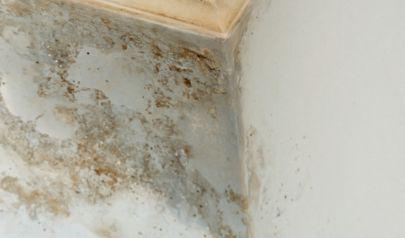
Marietta's climate does something specific to crawl spaces. The combination of humid summers, clay soil that holds moisture against foundations, and the seasonal swings between Georgia's wet and dry periods creates conditions that mold is built to exploit. Over the years working in Marietta neighborhoods, our technicians have inspected hundreds of crawl spaces, and the pattern is consistent: a crawl space that isn't actively managed for moisture is almost always a crawl space with a mold problem, even when the homeowner has no idea.
Why Crawl Spaces Are So Vulnerable
Mold needs three things to grow: a food source, a tolerable temperature range, and moisture. In a Marietta crawl space, all three are nearly always present.
Organic Material as a Food Source
Wood framing, subfloor sheathing, and floor joists are all sufficient food sources for mold. We've found that in older Marietta homes, where framing has absorbed decades of humidity fluctuations, mold can establish itself much faster than on newer pressure-treated lumber.
Temperature and Humidity Conditions
Georgia's humid subtropical climate keeps temperatures in a mold-friendly range for roughly eight to nine months of the year. Based on our crew's observations, mold does not die when conditions briefly improve. It goes dormant and resumes growth the moment moisture returns.
Moisture Sources That Aren't Always Obvious
Ground moisture is the primary driver in most Marietta crawl spaces. Even without standing water, bare soil constantly emits water vapor into the air. A failed vapor barrier allows that moisture to rise directly into the framing. We've also seen on many Marietta jobs that condensation on cold-water pipes, minor plumbing drips, and stormwater entering through foundation vents all contribute to mold-supporting humidity without ever producing visible puddles.
How Homeowners Usually Discover It
Most homeowners find crawl space mold indirectly. A persistent musty odor in living areas above, unexplained respiratory symptoms that seem worse at home, or a home inspection finding are the most common entry points. In our experience, by the time any of these signs appear, the mold colony is already established and requires professional assessment.
Visual inspection has limits. Mold can grow on the underside of floor sheathing in patterns not visible from a standard crawl space entry without proper lighting and equipment. It can also grow within the wood grain rather than on the surface, making it easy to overlook without moisture meter readings.
What Professional Mold Remediation in a Crawl Space Actually Involves
Containment and Protection
Our team begins by establishing containment to prevent spores from migrating into the living space above during remediation. Mold that is not contained can spread spores into HVAC systems and finished areas, creating a larger problem than the one being addressed.
Removal and Treatment
Depending on the extent of growth and condition of the affected wood, remediation may involve HEPA vacuuming, wire brushing, antimicrobial application, or removal of material that cannot be effectively treated in place. Every crawl space is different, and we make those calls based on what we find during inspection.
Addressing the Moisture Source
This step determines whether the remediation holds. Removing existing mold without correcting the moisture conditions that caused it will result in recurrence. After remediation, our team evaluates the vapor barrier, drainage conditions, ventilation, and any plumbing issues that contribute to elevated humidity. In our experience, repairs to those underlying conditions are what set a crawl space apart from one that needs treatment again within a few years.
A Word on DIY Approaches
Crawl spaces pose genuine safety concerns due to their unprotected entry points. Mold spore exposure during disturbance, restricted ventilation, and the presence of older insulation materials that may contain other hazards all make DIY remediation risky. We've found that homeowners who attempt to treat crawl space mold without professional equipment often inadvertently spread the problem before they understand its full scope.
Get a Real Assessment From a Local Team
You shouldn't have to guess whether there's a mold problem under your floors. AdvantaClean of Marietta offers crawl space mold inspections and full remediation services for homeowners throughout the area. You can reach our team at (470) 819-2077 or find us on Google to read reviews from your neighbors. The sooner a crawl space issue gets a proper look, the better the outcome tends to be.
AdvantaClean of Marietta, GA
2265 Roswell Rd #100, Marietta, GA 30062
(470) 819-2077
https://g.page/ACMarietta?share