By a member of the AdvantaClean of Norcross and Buford team
The phone rings at two in the morning. It always seems to happen then. On the line is a Norcross homeowner, out of breath and still shaken. Maybe they just got home from a tough shift or a long trip, walked into the kitchen, and found water everywhere. They spent hours tossing down every towel they could find and running a small fan from the store. By morning, they called us, tired but relieved, thinking the worst was over.
But it’s not over. Not even close.
They cleaned up what was visible, but they didn’t stop the real problem. They handled the water they could see, but missed the hidden moisture that had already seeped into the drywall, soaked the subfloor, and spread through the framing long before anyone noticed the leak.
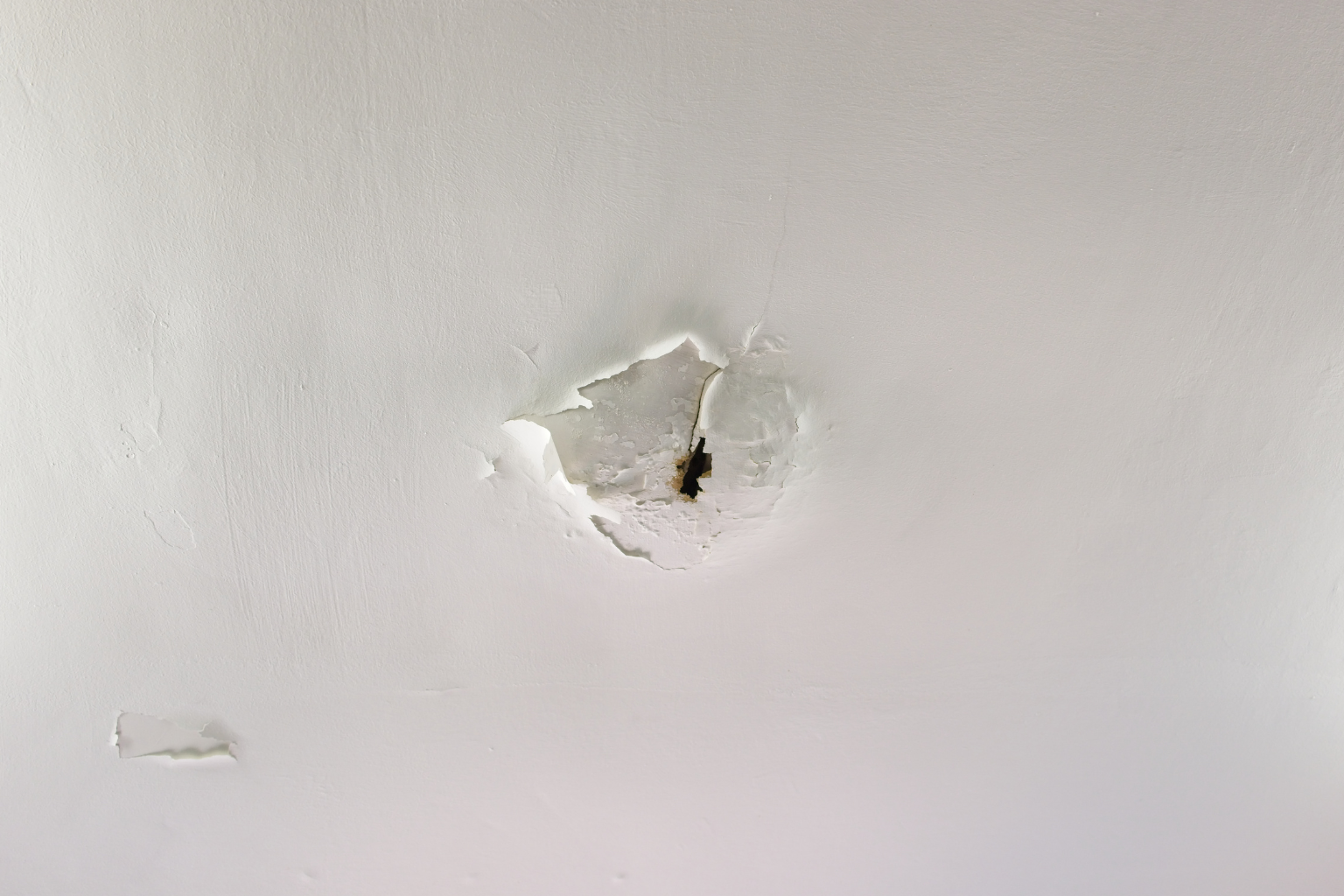
The difference between what you see and what’s hidden is where the real damage happens. In the humid Gwinnett County summer, that hidden moisture doesn’t just stay put. It quickly creates the perfect environment for mold to grow.
The Secret Life of Water and How It Moves When You Aren’t Looking
Water isn’t concerned with your property or your plans. Whether it’s from a burst pipe, an overflowing AC, a broken washing machine hose, or heavy rain getting inside, water always follows gravity and capillary action.
When water hits the floor, it quickly spreads. The drywall at the bottom of your walls soaks it up, pulling water upward. The wall framing absorbs it next. Even after the surface feels dry, the insulation behind the walls can still hold onto moisture.
After working on many water damage jobs in Norcross and Peachtree Corners, we know the damage is always more extensive than it appears. We use thermal imaging cameras and moisture meters to find hidden problems. These tools show us that water spreads farther and deeper than you might expect.
The red clay soil in Gwinnett County can also cause problems for homes with slab foundations or shallow crawl spaces. After heavy rain, the saturated clay can push moisture through the concrete foundation. This process is slow and hard to notice until you smell musty air or see a white, powdery crust called efflorescence forming on your floors.
The Clock Is Ticking (And Georgia Isn’t Arizona)
In the restoration industry, the rule of thumb is that mold can grow on wet materials in 24 to 72 hours. But in our area, the timeline can be even shorter, and the indoor air isn’t much better.
With this level of humidity, waiting 72 hours is unrealistic. We’ve seen mold start to grow on wet drywall in just 24 hours. This isn’t meant to scare you, but it’s the reality of working in the South. If you want dry conditions, you’d have to move somewhere like Phoenix. Here, it’s always humid.
So what does this mean for you? It means acting quickly is the most important thing you can do.
-
If we arrive within a few hours of the water problem, we can usually clean up and dry out your home. This helps save your materials and keeps the process much less stressful.
-
If you wait two or three days, thinking towels were enough, the job becomes much bigger. We have to remove damaged drywall, treat the framing, and wear protective gear before we can start drying. What could have been a simple fix now requires major repairs.
Real Structural Drying vs. The Illusion of Dry
To be clear, professional structural drying is much more than using a few rented fans and a dehumidifier. That approach is not enough to solve the problem.
Proper structural drying is a scientific process. We begin by measuring moisture levels in all affected materials. Instead of guessing, we use meters to check if a wall is dry. Then, we set up commercial air movers and dehumidifiers in the right spots to target hidden moisture. We monitor these readings daily and adjust the equipment as needed.
The job isn’t finished when things look or feel dry. It’s done only when our meters show moisture levels are back to normal. A wall can appear fine on the outside but still hold a lot of water inside the framing.
If you have hardwood floors in Johns Creek or Peachtree Corners, don’t rush the drying process. Hardwood reacts strongly to quick drying and can become damaged. We have to dry it slowly and carefully, paying close attention to protect the material.
A Word on the Insurance Boardroom
Once things calm down, you’ll need to handle the financial side. Most standard homeowner policies in Georgia cover sudden and accidental water damage, such as a burst pipe, appliance failure, or storm damage. However, they don’t cover gradual leaks you’ve ignored for months.
What you do in the first hours after water damage will affect your insurance claim. Take photos of everything, add timestamps, identify the leak source and document the damage. This information is important evidence for your claim.
We have helped many Norcross homeowners through the claims process. Those who document early, act quickly, and keep clear records recover faster. Waiting or trying to handle a flood with just towels often leads to bigger problems. Act quickly, call professionals, and take control.
If water has entered your home in Norcross, Peachtree Corners, Johns Creek, or the surrounding area, contact AdvantaClean of Norcross and Buford right away. You can also find us on our Google Business Profile to read what your neighbors have said about working with us. Call us anytime at (470) 819-2070.
AdvantaClean of Norcross and Buford, GA
3050 Business Park Drive # D, Norcross, GA 30071
(470) 819-2070
https://share.google/NvvK058haG9uVmZfK