A supply line breaks under the kitchen sink or the water heater in the garage fails, and suddenly your Saturday is spent dealing with water. Act in this order: shut off the water if you can do so safely, keep people and pets out of standing water, and photograph everything before moving anything. Then start drying as fast as possible.
AdvantaClean of Norcross and Buford provides water damage restoration in Norcross, GA, and is open 24 hours a day, 7 days a week. This guide covers what matters in the first hour, what drying actually requires, and how to protect your insurance claim.
Water damage almost always looks smaller than it is. A supply-line leak running for a few hours can soak the subfloor, wick up the drywall, and settle into a crawl space. Norcross has a humid subtropical climate. Summers are hot and humid, with highs commonly in the upper 80s to low 90s. Afternoon thunderstorms are common, and the area gets roughly 54 inches of rain a year. That constant moisture gives mold every advantage once water gets inside your home.
Shut Off the Source and Make the Area Safe
Your first job is to stop the water. Turn off the main water valve, or the appliance valve if you can isolate the leak. Then consider electricity. Do not walk through standing water near outlets, appliances, or a wet electrical panel. If the panel is wet, leave it alone and call for help instead of flipping breakers by hand.
Before moving anything, document the damage. FEMA’s flood cleanup guidance advises taking photos and videos before cleanup begins and specifically says not to wait for the adjuster to start cleaning. Walk each room slowly, take wide-angle and close-up photos of every wet surface, and keep going until you are sure you have captured everything.
What Homeowners Get Wrong About Drying
Pointing a box fan at a wet spot dries the surface but leaves everything behind it wet. Drywall wicks water upward, hardwood pulls it under the boards, and insulation inside walls can hold water for days. The surface may feel dry, but the inside is not.
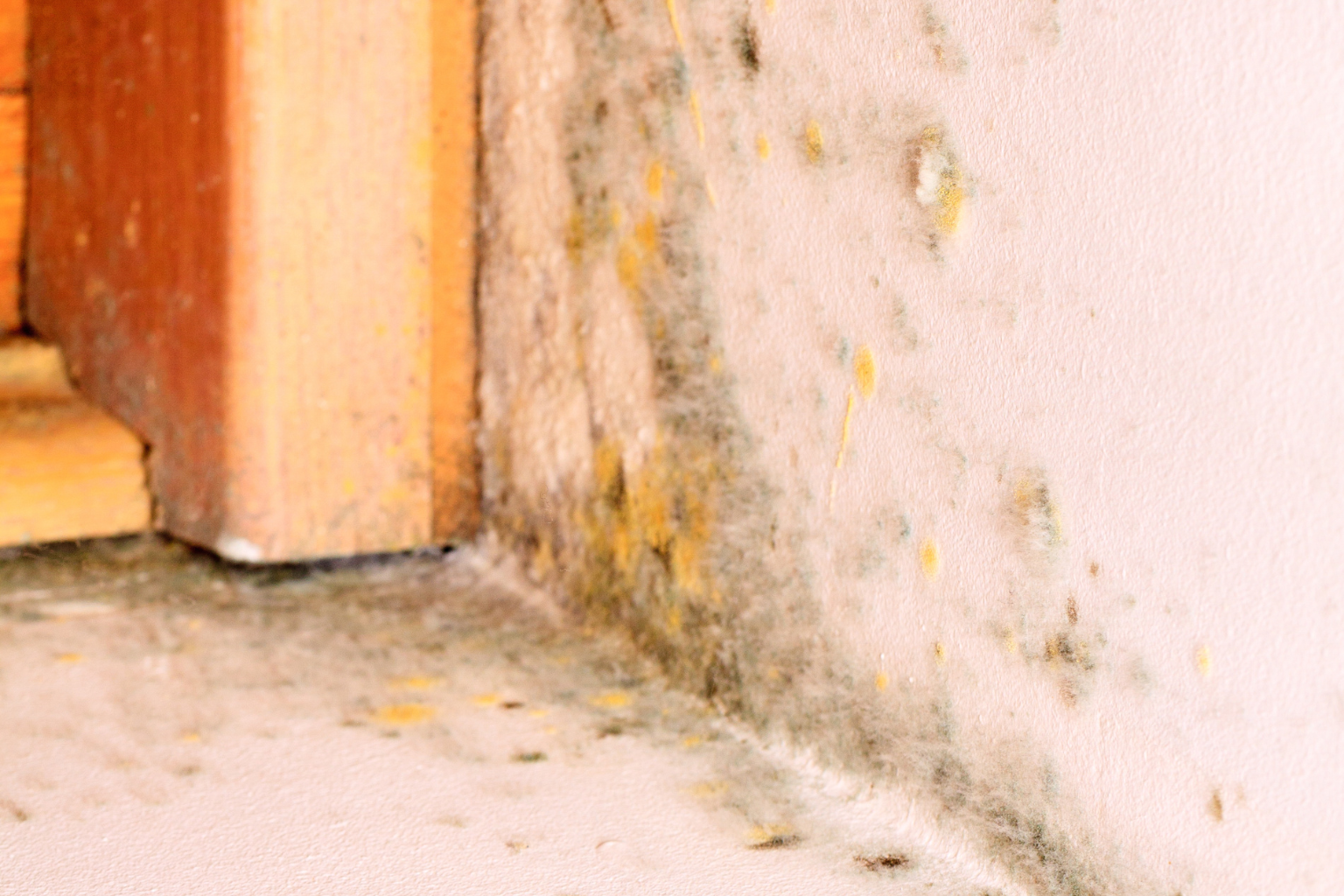
This matters because mold does not wait. The EPA advises drying water-damaged areas and items within 24 to 48 hours to prevent mold growth and keeping indoor humidity below 60 percent, ideally between 30 and 50 percent. In a humid Georgia summer, open windows and a household fan cannot reliably achieve this, especially in crawl spaces or basements, which many Gwinnett County homes have. Moisture lingering in those spots can quickly cause mold problems.
The EPA’s guide to mold and moisture in the home says mold control starts with moisture control. The EPA notes that small patches under about 10 square feet can often be handled by a homeowner following its guidance. However, larger growth, sewage contamination, or health concerns require hiring a professional. Scrub mold off hard surfaces with detergent and water, then dry completely. Porous materials like ceiling tiles and carpet may need to be discarded. Painting or caulking over moldy surfaces only hides the problem.
When Professional Equipment Is Warranted
Professional drying exists for one reason: moisture you cannot see. Moisture meters detect water trapped behind drywall and under flooring, in places your eyes and a fan cannot reach. Commercial dehumidification removes moisture from the air and building materials fast enough to meet the 24-to-48-hour window. Crawl spaces get special attention because a wet crawl space in a humid Georgia summer keeps feeding moisture upward into the house.
Fast mitigation saves flooring. Google reviewer Shekeb Sekander wrote: “My contractor recommended AdvantaClean after a water heater leak caused water damage concerns in my home.” He added, “Their fast action saved my hardwood floors from needing replacement, which alone made this experience a huge win.”
For related situations nearby, see how basement flooding cleanup works near Johns Creek and how flood damage was managed in Buford.
Documenting the Damage for Insurance
Your photos are your claim. FEMA advises photographing and videoing damage before cleanup and not waiting for the adjuster to start cleaning. Keep that evidence organized: wide shots of each room, close-ups of damaged items, and a written list with approximate values. Save receipts for anything you buy during cleanup, like tarps, fans, or cleaning supplies.
For floodwater or sewage contact, FEMA says to remove drywall and insulation that water touched. Bag and set aside damaged items instead of tossing them before the adjuster sees them, and keep your photo log with the rest of your claim paperwork.
The Three Things That Matter Most
Stop the water fast. Dry everything completely, not just the surfaces, within 24 to 48 hours. Document it all for insurance before you clean up. Do those three, and you will have done the most important work before help arrives.
Water Damage Help in Norcross, Open 24/7
AdvantaClean of Norcross and Buford is open 24/7 for water damage emergencies. Call (470) 819-2070, or find them on Google Maps. Learn more at AdvantaClean of Norcross and Buford.
AdvantaClean of Norcross and Buford, GA
3050 Business Park Drive # D, Norcross, GA 30071
(470) 819-2070
https://share.google/NvvK058haG9uVmZfK