Earlier this winter, I visited a Lakewood home to inspect an overflowing washing machine. Instead, I found a damp hallway rug and a homeowner puzzled by how water had reached so far from the laundry area. The washing machine had stopped mid-cycle days before. The homeowner dried visible moisture and assumed the issue was resolved, not realizing water had seeped under the vinyl flooring and gradually spread to the hallway.
This experience highlights that water inside a home rarely stays contained. In Lakewood homes with laundry areas near living spaces, moisture can move unnoticed beneath flooring before any visible signs appear.
Laundry Areas Can Become Hidden Moisture Zones
Laundry rooms are designed to handle water, but that does not mean they are immune to damage. Hoses loosen, drain lines clog, and appliance seals wear down. In many Lakewood homes, laundry spaces are tucked away in closets or finished basements, limiting visibility. A small overflow can linger beneath flooring materials without drawing attention.
Humidity from repeated wash cycles also contributes to moisture buildup. Without proper airflow, that humidity settles into surrounding materials. Over time, this environment can soften flooring, damage baseboards, and create conditions that promote odor development.
In nearby communities like Rocky River, Bay Village, and Westlake, we often encounter similar cases in which laundry-related moisture quietly spreads into adjacent rooms.
What Makes Water Movement So Unpredictable
Water rarely remains at its source. While gravity pulls it downward, seams, subfloor materials, and room transitions can redirect moisture horizontally. In the Lakewood home, hallway padding absorbed water even though the carpet appeared dry. This hidden dampness might have gone unnoticed if the homeowner had not felt a difference underfoot.
This type of movement is also seen in homes in Avon, Avon Lake, and North Olmsted, where laundry spaces are located above finished basements. Moisture can affect ceiling cavities below or seep along framing, creating damage far from the source.
We Approach Situations Like This
When I assess a property for hidden moisture, I begin by carefully evaluating the situation and listening to the homeowner’s account to identify when the issue started. We then use moisture-detection tools to track water movement and determine which materials are affected.
Drying strategies depend on what we find. Sometimes lifting a small section of flooring allows airflow to reach trapped moisture. In other cases, targeted dehumidification stabilizes the environment while materials dry in place. The goal is always to address moisture fully rather than chase symptoms.
Signs That Laundry-Related Moisture May Be Present
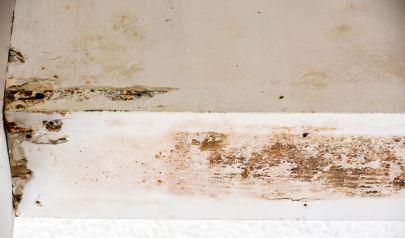
Homeowners often mention subtle changes before visible damage appears. Flooring that feels slightly spongy, persistent humidity near the laundry area, or a faint odor after wash cycles can signal moisture that has not fully evaporated. Small discoloration along baseboards or warped trim may also indicate hidden exposure.
We see these signs throughout Berea, Brook Park, and North Ridgeville, where laundry spaces are frequently integrated into finished living areas. In rural communities such as Columbia Station, Valley City, Grafton, and Lagrange, homes with utility rooms on lower levels can experience similar moisture patterns following appliance leaks.
Frequently Asked Questions
Can a small washing machine overflow really affect nearby rooms?
Yes. Even a small amount of water can migrate beneath flooring and reach nearby rooms, especially when materials such as padding or wood absorb moisture.
Is it enough to run fans after a laundry leak?
Fans can assist with surface drying, but moisture trapped beneath flooring or inside wall cavities often requires targeted drying methods to prevent ongoing dampness.
How quickly should a laundry-related water issue be addressed?
The sooner, the better. Prompt evaluation limits moisture spread and reduces the risk of secondary damage.
Do homeowners always notice hidden water damage right away?
Not always. Many Lakewood homeowners notice issues only when odors, changes in flooring, or increased humidity become apparent.
Helping Lakewood Homeowners Understand What Is Happening
Situations like the Lakewood hallway demonstrate how water damage can develop quietly. A minor appliance issue can trigger a chain reaction that is easy to miss without professional insight. At AdvantaClean of the West Side, I help homeowners recognize these subtle signs and understand the broader impact so they can take informed next steps.
If you have experienced a laundry overflow or noticed signs of hidden moisture, our team is here to help. AdvantaClean of the West Side serves homeowners across Avon, Avon Lake, Bay Village, Berea, Brook Park, Cleveland, Columbia Station, Grafton, Lagrange, Lakewood, North Olmsted, North Ridgeville, Olmsted Falls, Rocky River, Valley City, and Westlake. You can reach us at (440) 568-0300 or visit our Google Business Profile to see our reviews.
AdvantaClean of the West Side, OH
31335 Industrial Pkwy Unit 1, North Olmsted, OH 44070
(440) 568-0300
https://maps.app.goo.gl/haE7CZR17uQU6AfN6