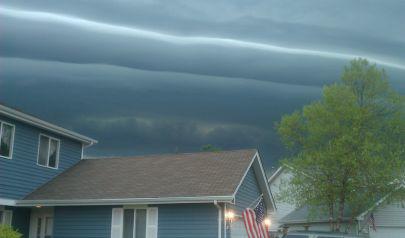
Some homes become uncomfortable long before they become dangerous during hurricane season.
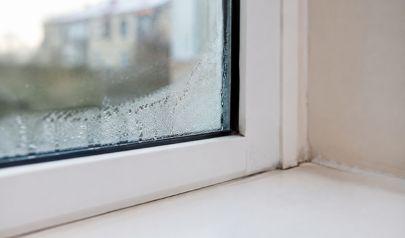
The air feels heavier. Rooms start holding humidity differently. Closets develop a damp smell that wasn’t there a week earlier. Window edges collect condensation after the storm passes even though the home never technically flooded.
Those smaller environmental changes are often the beginning of the real post-storm problems homeowners end up dealing with later.
At AdvantaClean, hurricane preparation is often viewed through the lens of indoor environmental stability instead of only structural survival. While major wind and flood damage naturally receive attention, many homes experience lingering moisture-related conditions that are far less visible at first.
That distinction matters.
A property can avoid catastrophic flooding and still struggle with elevated moisture conditions for weeks after a hurricane system moves through the area.
Conditions that commonly worsen after hurricanes:
- Indoor humidity spikes after prolonged rain exposure
- Damp insulation trapping moisture behind walls
- Poor attic airflow allowing heat and humidity buildup
- Crawlspaces retaining ground moisture after saturation
- HVAC systems struggling to rebalance indoor air conditions
- Soft materials absorbing moisture without immediate visibility
- Condensation developing around vents, windows, and supply lines
Homes in humid climates already spend much of the year balancing moisture levels indoors. Hurricanes simply place that balance under extended pressure.
One of the biggest misconceptions surrounding hurricane damage is the belief that visible standing water is required before environmental concerns begin. In reality, some of the most frustrating post-storm conditions develop slowly over several days as trapped humidity settles deeper into materials throughout the home.
That is especially true when power outages interrupt air conditioning systems.
Without temperature and humidity control, indoor moisture levels can rise quickly inside enclosed spaces. Areas with limited airflow — like attics, closets, utility rooms, and crawlspaces — often retain moisture long after exterior conditions improve.
At AdvantaClean, homeowners are frequently encouraged to pay attention to subtle environmental changes after storms instead of waiting for obvious damage to appear.
Some of the earliest warning signs include:
- Musty or earthy odor changes
- Condensation forming in unusual areas
- Warping around trim or flooring edges
- Rooms feeling persistently humid
- Allergy or respiratory irritation increasing indoors
- Discoloration near vents, ceilings, or exterior-facing walls
These conditions do not always indicate major structural damage, but they can signal that moisture is remaining inside the home longer than it should.
Another challenge after hurricanes is that many properties stay sealed tightly for safety reasons during and after the event. Once airflow becomes restricted, moisture can linger quietly inside building materials while the home outwardly appears normal.
That delayed effect is often what catches homeowners off guard.
Rather than focusing only on emergency response after a storm, AdvantaClean encourages property owners to think proactively about how their home handles humidity, airflow, and moisture before hurricane season intensifies.
Simple preventative measures can make a significant difference, including:
- Checking attic ventilation before storm season
- Monitoring crawlspace moisture conditions
- Inspecting around windows and exterior doors
- Maintaining HVAC systems regularly
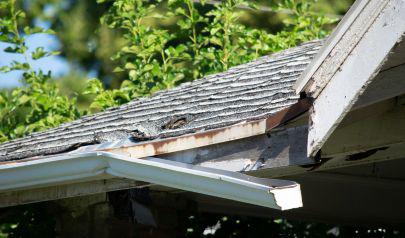
- Ensuring gutters and downspouts drain away properly
- Watching for recurring humidity issues inside the home
Hurricane preparedness is not only about protecting the structure from immediate storm impact. It is also about helping the indoor environment recover properly afterward.
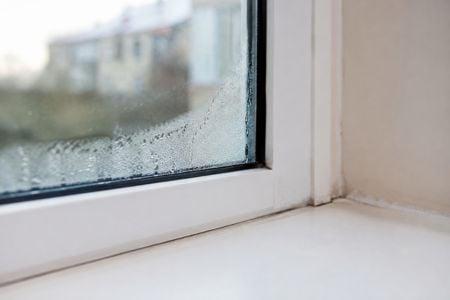
Because in many homes, the long-term problems begin quietly — after the storm has already passed.