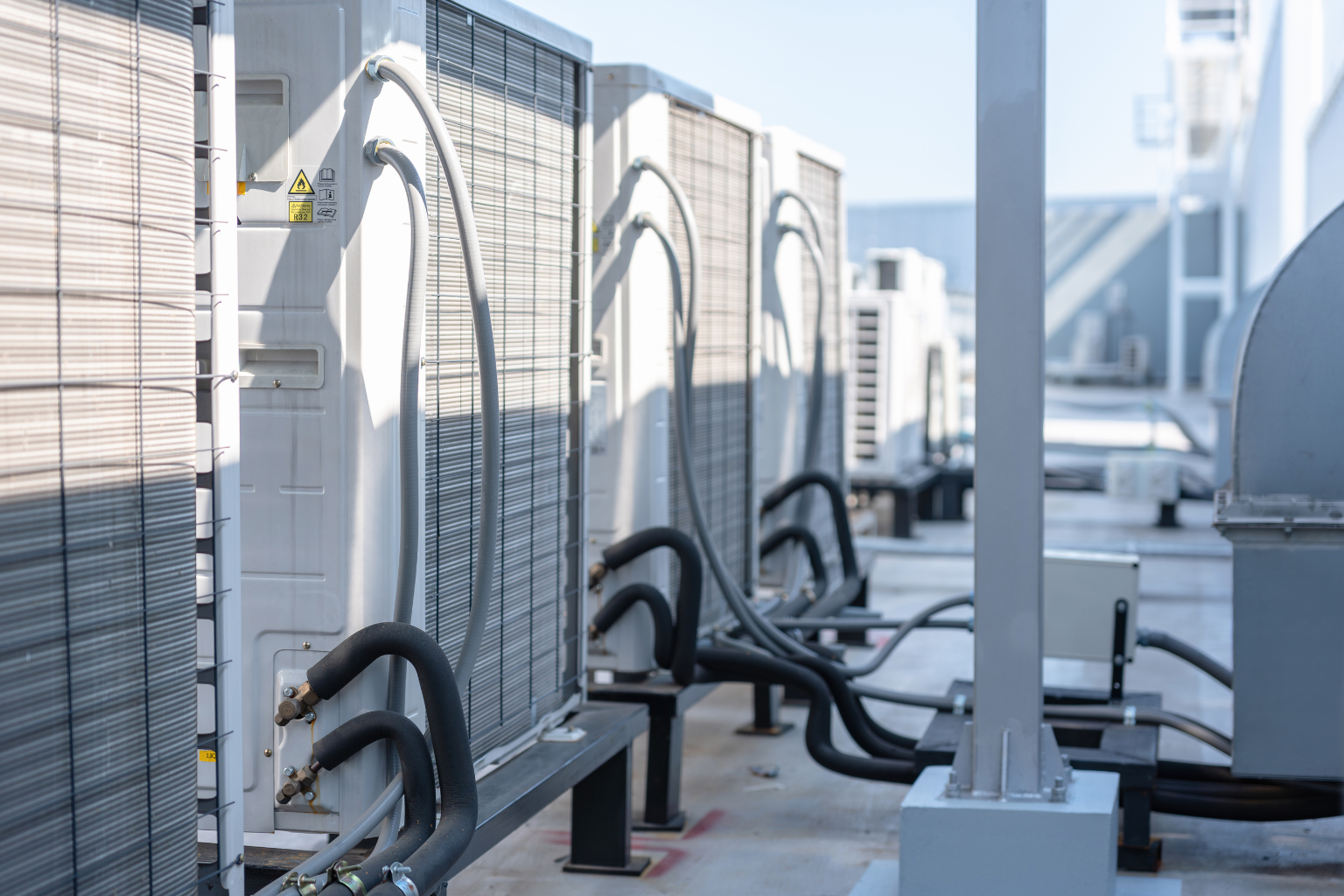
One room feels comfortable.
The next feels sticky.
The thermostat says 72 degrees, but the house still feels warmer than it should.
Summer humidity creates a unique frustration because it changes how people experience their indoor environment. Temperature becomes only part of the equation. A home can be cooled properly and still feel uncomfortable if excess moisture remains suspended in the air.
That is why some homeowners spend an entire summer adjusting the thermostat without ever solving the problem they are actually noticing.
Comfort Isn't Just About Temperature
Think about the difference between stepping into a cool hotel lobby and stepping into a cool storage room.
Both spaces may have identical temperatures. One feels comfortable. The other feels heavy.
Humidity helps explain the difference.
As indoor moisture levels increase, the body has a harder time releasing heat through evaporation. The result is an environment that feels warmer, even when the temperature itself has not changed.
This is one reason summer utility bills can increase. Occupants continue lowering the thermostat in search of comfort while the underlying humidity remains unchanged.
Your Home Is Constantly Producing Moisture
Many people associate humidity with outdoor weather, but a surprising amount originates inside the home.
Daily activities contribute moisture throughout the day:
- Cooking
- Showering
- Laundry
- Dishwashing
- Houseplants
- Occupancy itself
Every person in the home contributes moisture simply by breathing.
During summer months, these sources combine with naturally humid outdoor air, creating conditions that challenge the home's ability to maintain balance.
The Spaces That Tell the Story First
Humidity has a way of revealing itself through subtle changes.
You may notice:
- Bedding that feels different at night
- A closet that develops a stale smell
- Towels that remain damp longer
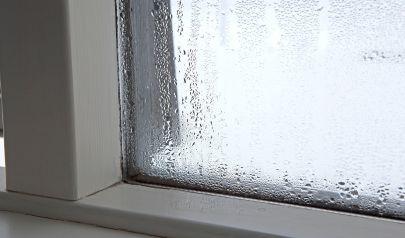
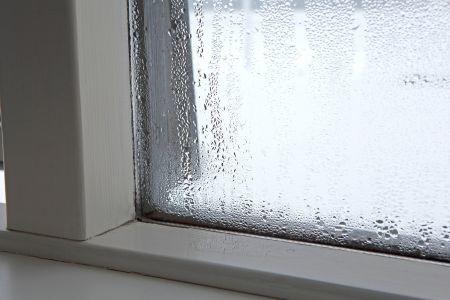
- Condensation around windows
- Rooms that feel different despite similar temperatures
None of these changes automatically indicate a serious issue.
They do indicate that moisture levels deserve attention.
AdvantaClean frequently helps homeowners understand that indoor comfort is influenced by much more than thermostat settings alone.
Better Humidity Control Creates a Better Indoor Environment
Humidity management is not about making indoor air feel dry.
It is about creating balance.
A balanced indoor environment supports comfort, helps reduce moisture-related concerns, and allows heating and cooling systems to perform more efficiently.
Simple maintenance, proper ventilation, routine HVAC service, and monitoring indoor humidity levels can all contribute to a more comfortable home throughout the summer season.
Summer weather is something homeowners cannot control. The indoor environment is a different story. AdvantaClean believes understanding the relationship between humidity, comfort, and indoor air quality is one of the most valuable steps a homeowner can take toward creating a healthier living space. Sometimes the difference between a house that feels uncomfortable and one that feels welcoming is not a lower thermostat setting at all—it is better humidity control.